
Common Installation Mistakes with Wire Nuts and How to Avoid Them

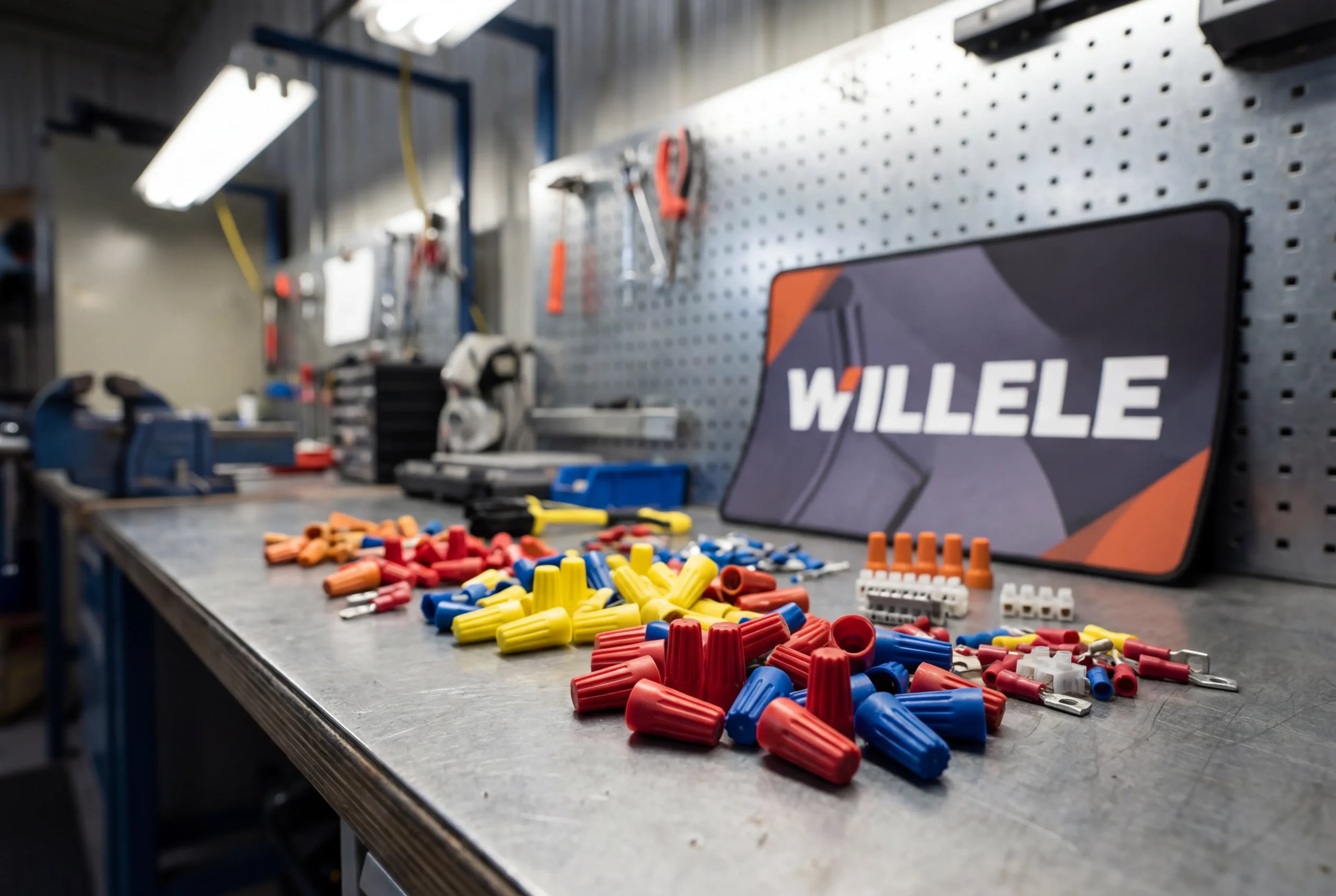
Wire nuts are one of the most common components in electrical work, yet they are a frequent source of failure when installed improperly. A secure connection is not just a matter of convenience; it is a critical safety requirement. A loose or poorly made connection inside a wire nut can lead to electrical arcing, overheating, and potentially a fire. For electrical contractors, professional electricians, and industrial maintenance teams, mastering the art of wire nut installation is fundamental.
This guide, brought to you by WILLELE Electric, details the most common installation mistakes and provides clear, actionable steps to avoid them, ensuring every connection you make is safe, secure, and durable.
Understanding the Anatomy of a High-Quality Wire Nut
Before diving into installation techniques, it’s crucial to understand the tool itself. A wire nut, or twist-on wire connector, isn’t just a plastic cap. Inside is a precisely engineered metal spring or threaded insert designed to grip wires tightly, creating a solid mechanical and electrical connection.
The quality of these components matters. WILLELE Electric wire nuts are manufactured to exacting standards, ensuring a reliable grip and long-term stability for all your critical projects.
Mistake #1: Choosing the Incorrect Wire Nut Size
Using a wire nut that is too large or too small for the wire combination is one of the most prevalent errors.
- Too Large: A wire nut that’s too big won’t be able to properly grip the conductors. The connection will be loose, leading to intermittent contact, arcing, and dangerous overheating.
- Too Small: Trying to force too many wires or too large a gauge into a small wire nut can damage the wires, strip the connector’s threads, or prevent it from threading on fatores enough to secure the conductors.
How to Avoid It: Check the Chart
Always refer to the manufacturer’s packaging for the approved number and size of conductors. Wire nuts are color-coded for easy identification of their capacity.
WILLELE Wire Nut Size & Capacity Guide (Example)
| Color | Wire Gauge Range (AWG) | Typical Min. Combination | Typical Max. Combination |
|---|---|---|---|
| Gray | 22 – 16 AWG | 2x #22 | 2x #16 |
| Blue | 22 – 14 AWG | 2x #22 | 3x #16 |
| Orange | 22 – 14 AWG | 2x #18 | 4x #16 + 1x #20 |
| Yellow | 18 – 12 AWG | 2x #18 | 3x #12 |
| Red | 18 – 10 AWG | 2x #18 | 5x #12 |
| Gray (Large) | 14 – 6 AWG | 2x #14 | 2x #6 + 2x #8 |
Note: This table is for illustrative purposes. Always consult the specific packaging for your WILLELE wire nuts for precise combination approvals.
Mistake #2: Improper Wire Stripping
The length of exposed copper is critical.
- Stripping Too Little: If you don’t strip enough insulation, the plastic insulation can get caught in the threads of the wire nut. This prevents the metal spring from making full contact with the conductors, resulting in a poor or failed connection.
- Stripping Too Much: If you strip too much insulation, you risk leaving exposed copper visible at the base of the wire nut after it’s tightened. This is a code violation and a serious shock or short-circuit hazard.
How to Avoid It: Use the Built-in Strip Gauge
Most quality wire strippers and many wire nuts have a strip gauge molded into them. A good rule of thumb is to strip between 1/2″ to 5/8″ (13-16mm) of insulation. The goal is to have no bare copper showing below the skirt of the connector when you are finished.
Mistake #3: Poor Conductor Preparation
The condition of the wires before you twist on the connector is just as important as the twisting itself.
- Uneven Ends: If the ends of the conductors are not aligned, one wire may not be fully gripped by the connector’s spring, creating a weak link in the connection.
- Dirty or Corroded Wires: Old, oxidized, or paint-covered wires will not make good electrical contact.
- Forgetting to Pre-Twist (or Over Pre-Twisting): While some manufacturers state pre-twisting isn’t necessary, the professional best practice is to twist the wires together clockwise with linesman’s pliers before applying the wire nut. This creates a stronger mechanical connection that doesn’t rely solely on the nut’s spring. However, do not over-twist to the point of damaging the conductors.

How to Avoid It: Prepare Wires Methodically
- Ensure all conductors are straight and clean.
- Align the ends of the stripped wires so the insulation lines up.
- Grip the tips of the copper conductors with pliers and twist them together clockwise until they are snug.
- Trim the very tip of the twisted bundle to create a clean, blunt end for the wire nut to start on.
Mistake #4: Under-tightening or Over-tightening
A proper connection is firm, but not excessively so.
- Under-tightening: This is the most dangerous mistake. A loose wire nut will not hold the wires securely, leading to arcing and heat buildup.
- Over-tightening: Applying excessive force, especially with pliers, can crack the plastic housing, strip the internal threads, or damage the conductors themselves.
How to Avoid It: Hand-Tighten and Tug Test
Tighten the wire nut by hand until it is “fingertip snug.” You should feel the wires twisting together inside the nut. Once tightened, perform a “tug test”: gently pull on each individual conductor to ensure it is firmly held in place. If any wire pulls out, the connection is faulty and must be redone.
Common Mistakes at a Glance
The following diagram visually summarizes several common installation errors.

Summary of Installation Faults
| Mistake | Consequence | Solution |
|---|---|---|
| Incorrect Size | Loose connection (too big) or damaged wires/nut (too small). | Use manufacturer’s chart to match nut to wire combo. |
| Exposed Copper | Shock and short-circuit hazard. | Re-do connection, ensuring no copper is visible below the nut. |
| Insulation in Nut | Poor or no electrical contact. | Strip wires to the correct length (approx. 1/2″ – 5/8″). |
| Loose Connection | Arcing, overheating, fire hazard. | Tighten until firm and perform a tug test on each wire. |
| Reusing Old Nuts | Fatigued spring leads to a weak grip. | Always use a new wire nut for every new connection. |
| Mixing Wire Types | Not all nuts are rated for stranded and solid wire together. | Check manufacturer specs. Use lever nuts for easier mixing. |
Best Practices for a Perfect Connection Every Time
- Safety First: Turn off the circuit breaker and verify the power is off with a non-contact voltage tester.
- Select: Choose the correct WILLELE wire nut for your wire size and combination.
- Prepare: Strip wires to the recommended length. Ensure they are clean and straight.
- Align & Twist: Align the insulation ends and twist the copper conductors together clockwise with pliers. Trim the tip.
- Secure: Screw on the wire nut clockwise until hand-tight and firm.
- Inspect: Check that no bare copper is exposed at the base of the connector.
- Test: Give each wire a gentle tug to confirm it is securely locked in place.
Short FAQ Section
Q1: Can I reuse old wire nuts?
No. The internal spring can become fatigued after one use, and reusing it can lead to a connection that feels tight but is actually weak. For safety and reliability, always use new wire nuts.
Q2: Do I have to pre-twist the wires before applying the wire nut?
While some wire nut designs don’t require it, pre-twisting with pliers is a professional best practice. It creates a more secure mechanical bond before the wire nut is even applied, leading to a superior, more reliable connection.
Q3: What happens if I use the wrong size wire nut?
If it’s too big, the connection will be loose and can arc. If it’s too small, you can damage the wires, crack the nut, and fail to make a secure connection. Always use the correct size.
Q4: Can I put electrical tape over my wire nut connection?
A properly installed, high-quality wire nut does not require electrical tape. If you feel the need to add tape, it may be a sign that you don’t trust the connection, which should be re-done. In some jurisdictions, inspectors may require it, so always follow local codes.
Q5: Are all wire nuts the same?
No. There are significant differences in the quality of the plastic housing and the design and material of the internal spring. Using premium wire nuts from a trusted B2B manufacturer like WILLELE Electric ensures consistency and reliability.
By avoiding these common pitfalls and adhering to best practices, you can ensure that every connection you make is safe, compliant, and built to last. At WILLELE Electric, we are committed to providing professional-grade components that you can trust for your most critical electrical projects.
