
High-Quality Bus bar Insulators Manufacturer | WILLELE
WILLELE designs and manufactures standard and custom bus bar insulators for low- and high-voltage panels. Using fiberglass-reinforced DMC/BMC materials and tight in-process quality control, our insulators deliver reliable electrical insulation and mechanical strength for switchgear, power distribution, ESS, EV charging and UPS systems. Work with WILLELE for responsive engineering support, consistent lead times and factory-direct pricing.

Low Voltage Bus bar Insulators
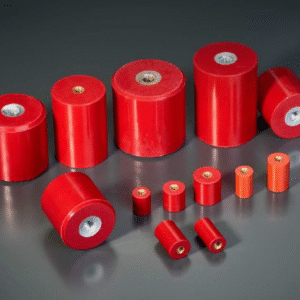
Explore our range of low-voltage busbar insulators made from high-grade DMC/BMC. Multiple sizes, threads and creepage distances are available to simplify panel layout and ensure safe clearances.

71 Series Busbar Insulator — Willele
C Series Busbar Insulator — Willele
CT Series Busbar Insulator— Willele
D Series Busbar Insulator — Willele
EN Series Busbar Insulator — Willele
SM Series Busbar Insulator — Willele
TSM Series Busbar Insulator — Willele
SEP Series Busbar Insulator — Willele
JYZ Series Busbar Insulator— Willele
MNS Series Busbar Insulator — Willele
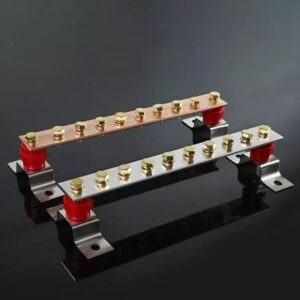
Willele Copper Ground Bar Kit
SE Series Busbar Insulator — Willele
SB Series Busbar Insulator — Willele
DL Series Busbar Insulator— Willele
EL Series Busbar Insulator— Willele
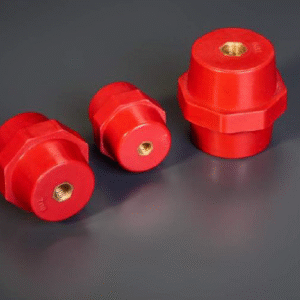

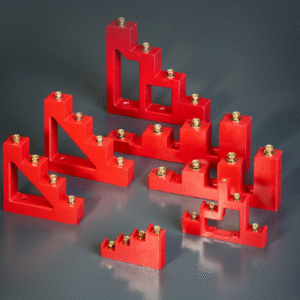
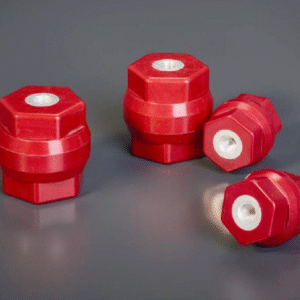
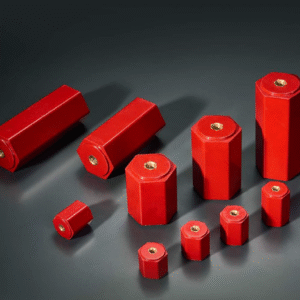
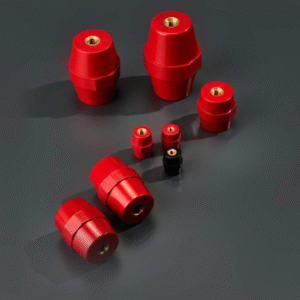
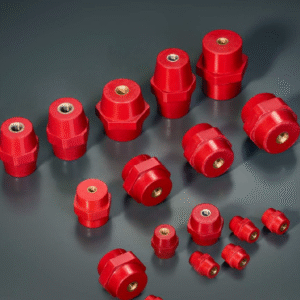
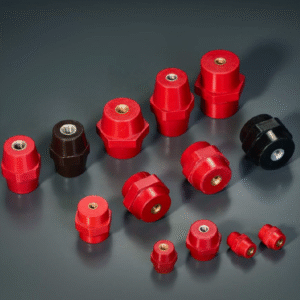
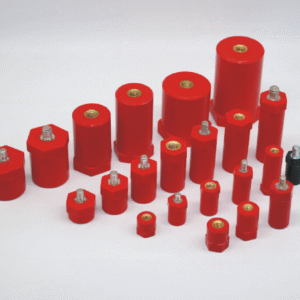


Why Choose WILLELE for Bus bar Insulators
Custom configurations: Thread types (male/female, mixed), heights, diameters and inserts can be tailored to your drawing.
Application-driven guidance: Our team helps match creepage distance, mechanical load and mounting method to your panel spec.
Stable production & QC: Controlled molding, deburring and 100% visual checks ensure smooth surfaces and repeatable torque performance.
Supply assurance: Flexible MOQs, sample support and on-time delivery for OEM/ODM projects.
Technical Specifications & Material Properties
Superior Materials
(DMC/BMC)
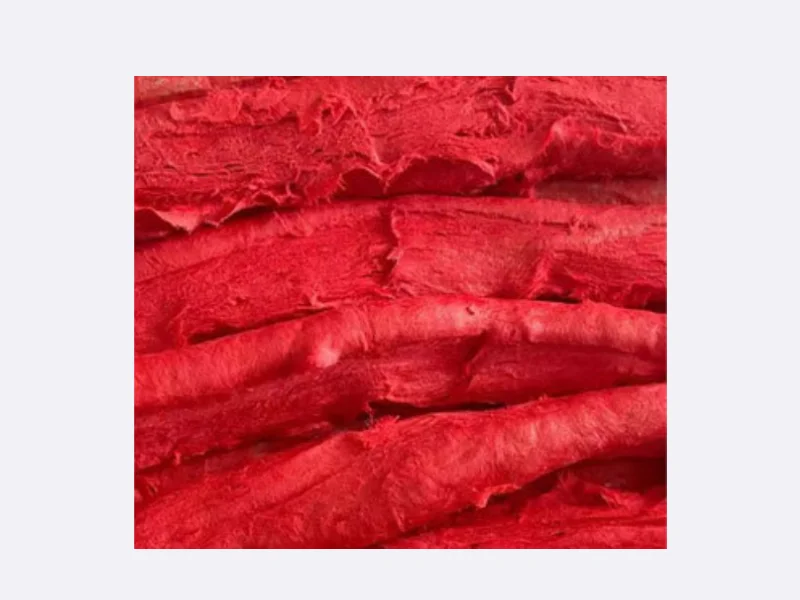
Fiberglass-reinforced DMC/BMC provides excellent dielectric strength, heat resistance and dimensional stability, making it ideal for compact LV/HV assemblies.
Comprehensive Specifications
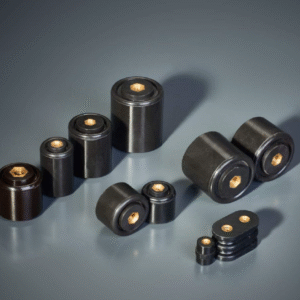
From compact standoffs to tall support posts, WILLELE supplies a full matrix of heights, flange sizes and insert options to meet panel spacing, creepage and torque requirements.
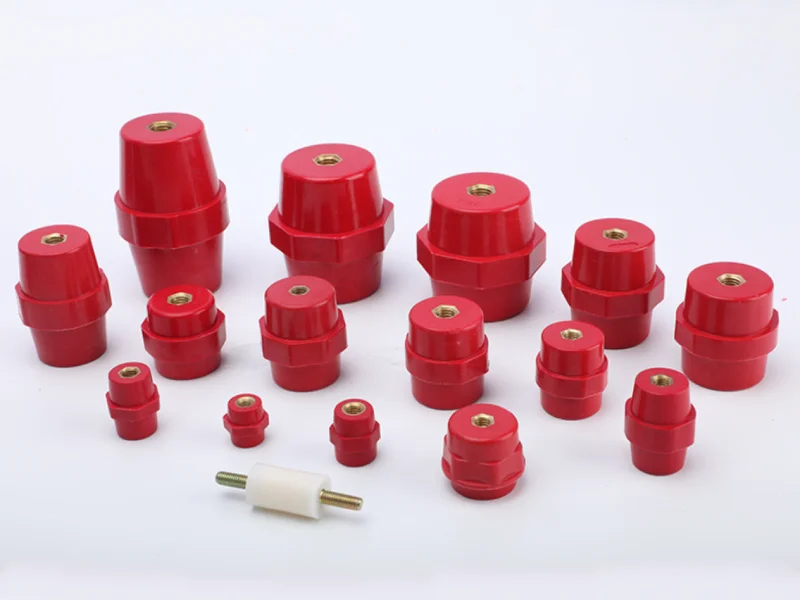
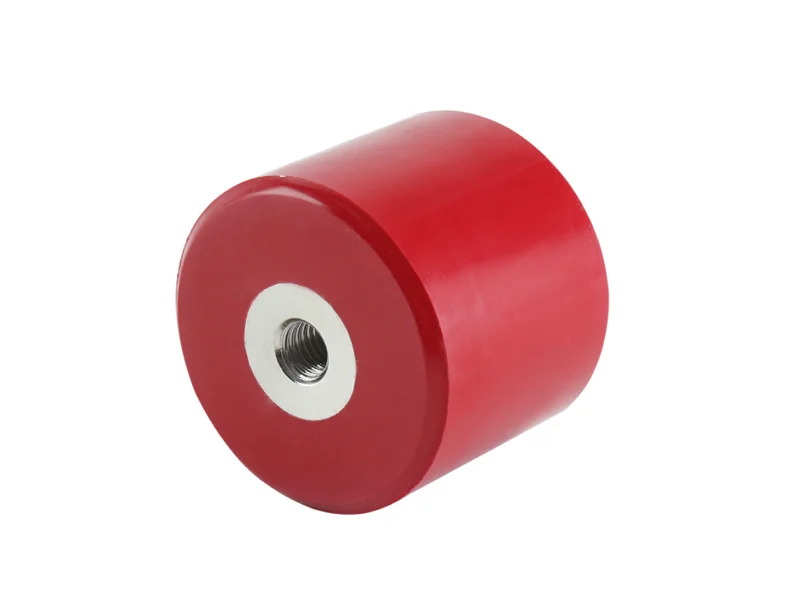
Precision Finish
Each insulator is integrally molded and then carefully deburred. The result is a smooth, burr-free finish for safe handling and consistent tightening during installation.
Secure Mounting With Hexagonal Standoff Insulators
Hex standoffs provide a firm grip for assembly and maintenance. Designed for copper or aluminum busbars, they maintain insulation distance and mechanical stability even under short-circuit forces.
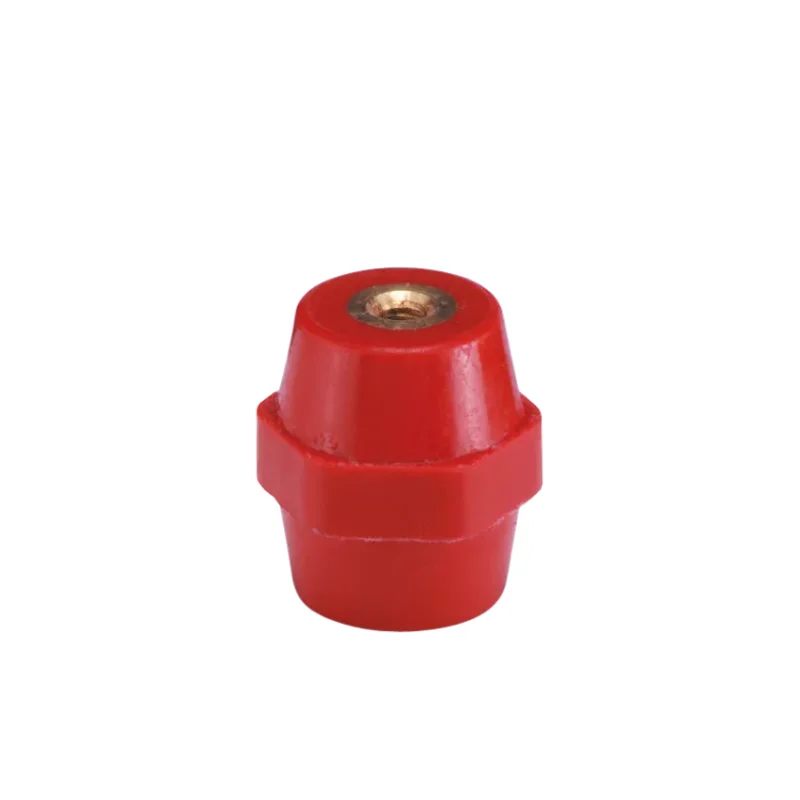
Male to Female Hexagonal Insulator
Single-pole, flat-mount. Height range: 16–60 mm.
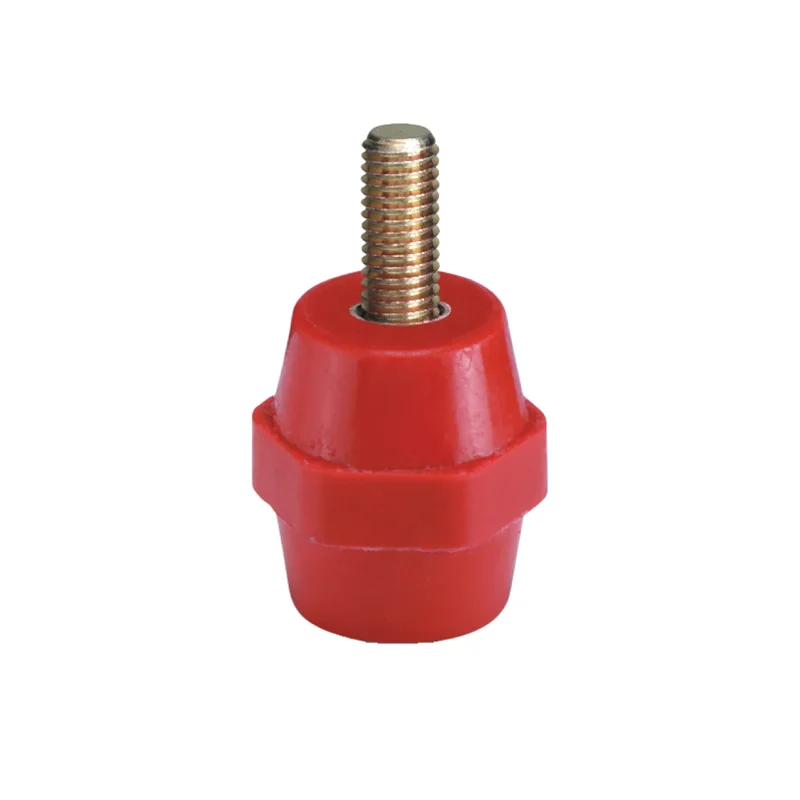
Male to Male Hexagonal Insulator
Single-pole, flat-mount. Height range: 16–60 mm.
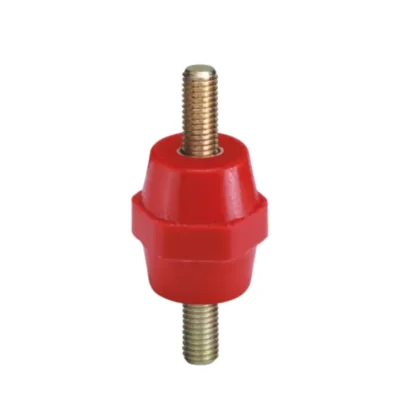
Female to Female Hexagonal Insulator
Single-pole, flat-mount. Height range: 20–70 mm.
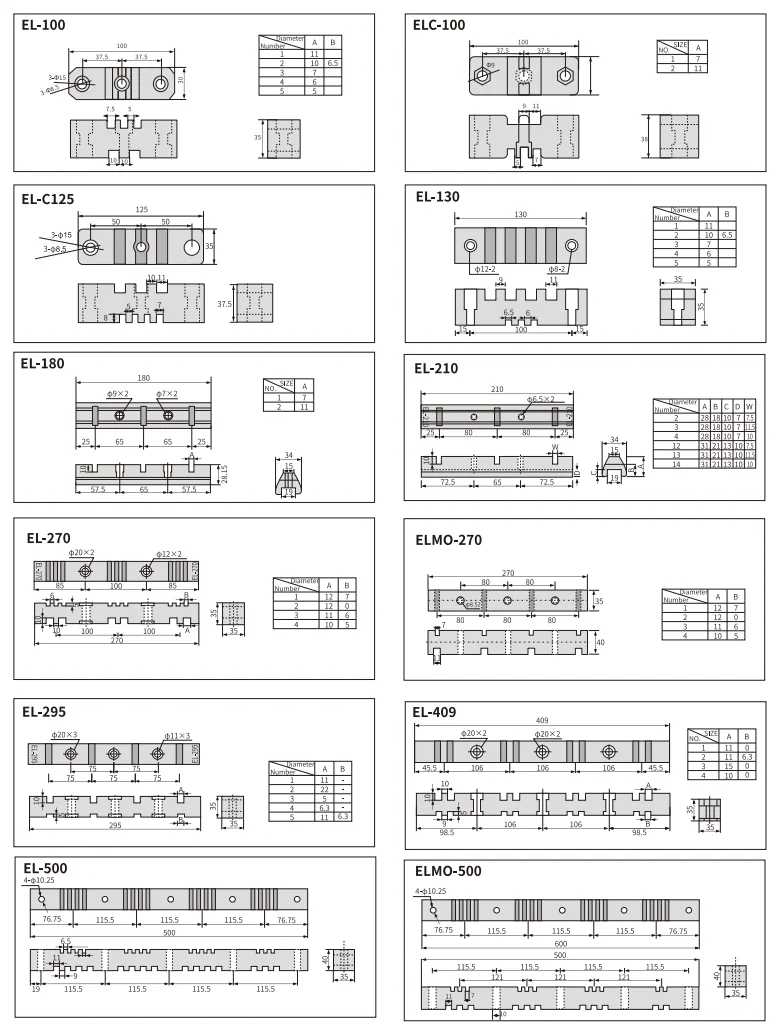
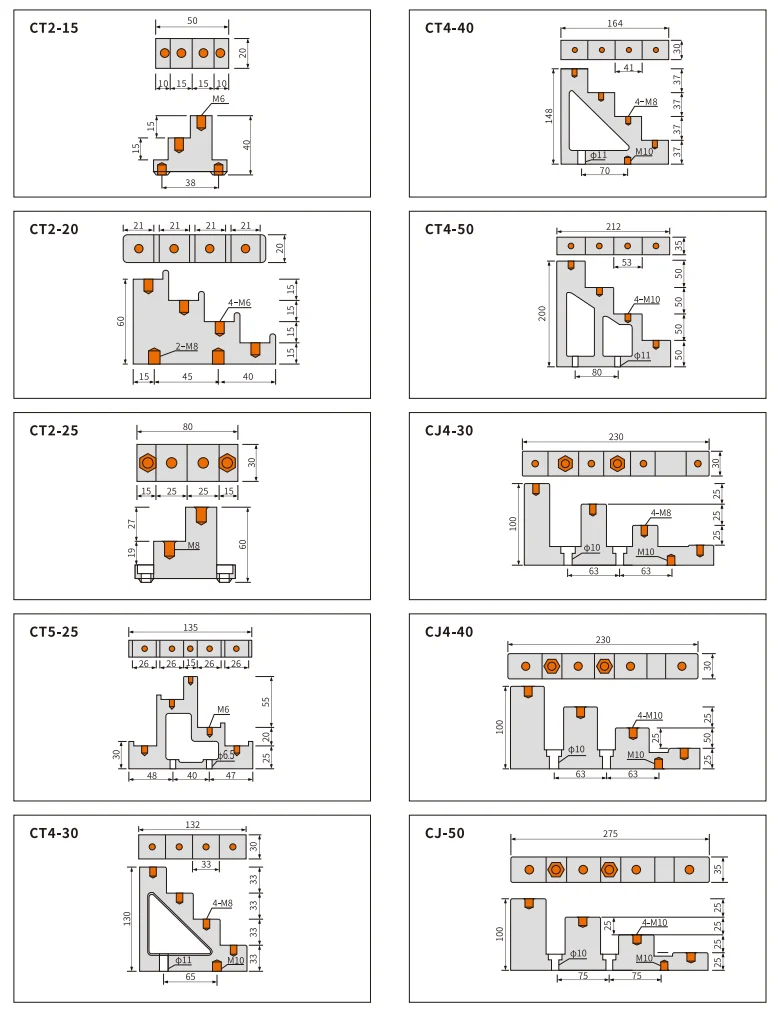
WILLELE Bus bar Insulator Dimensions & Size Chart
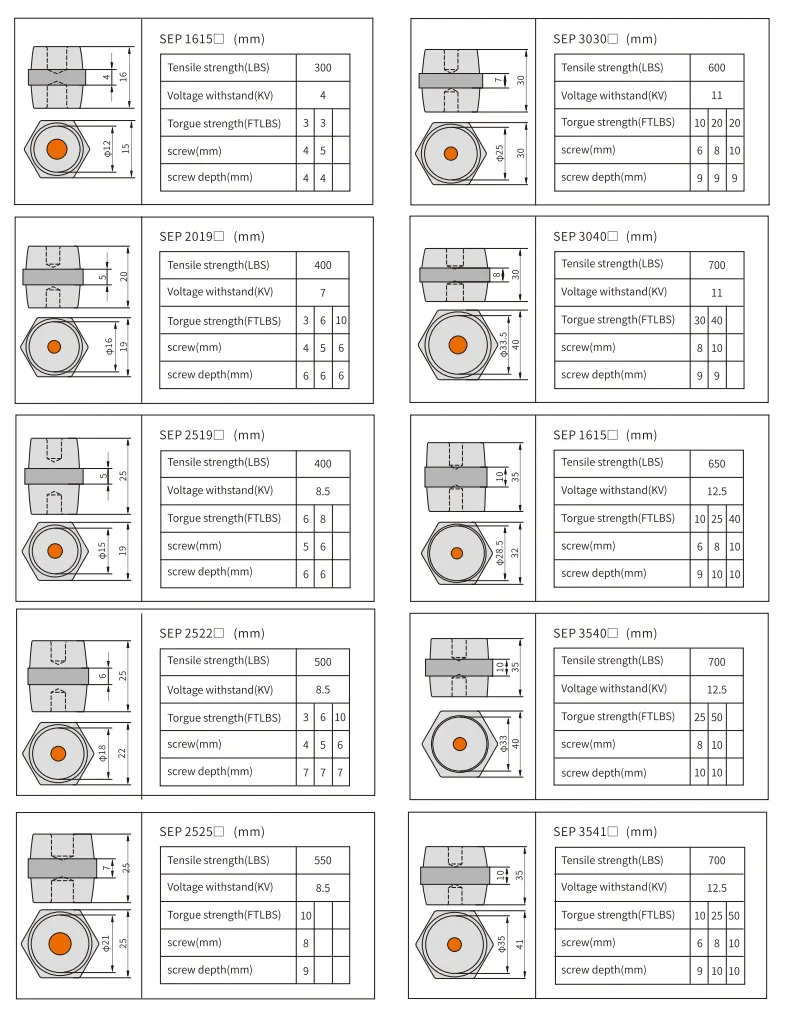
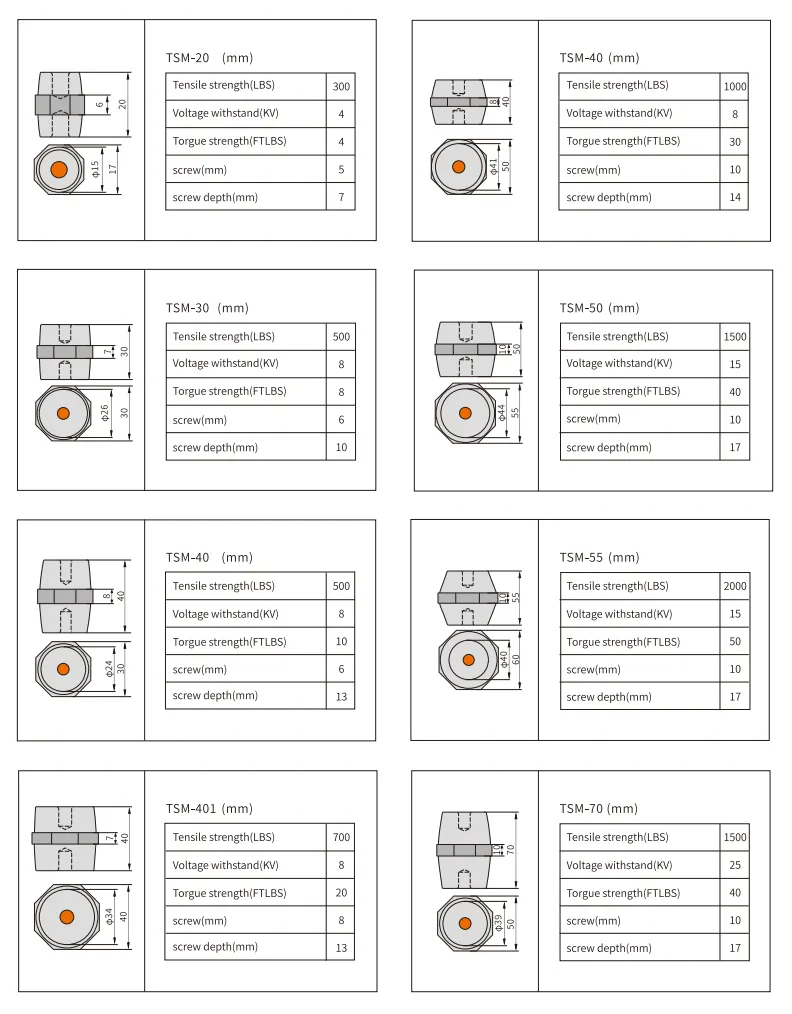
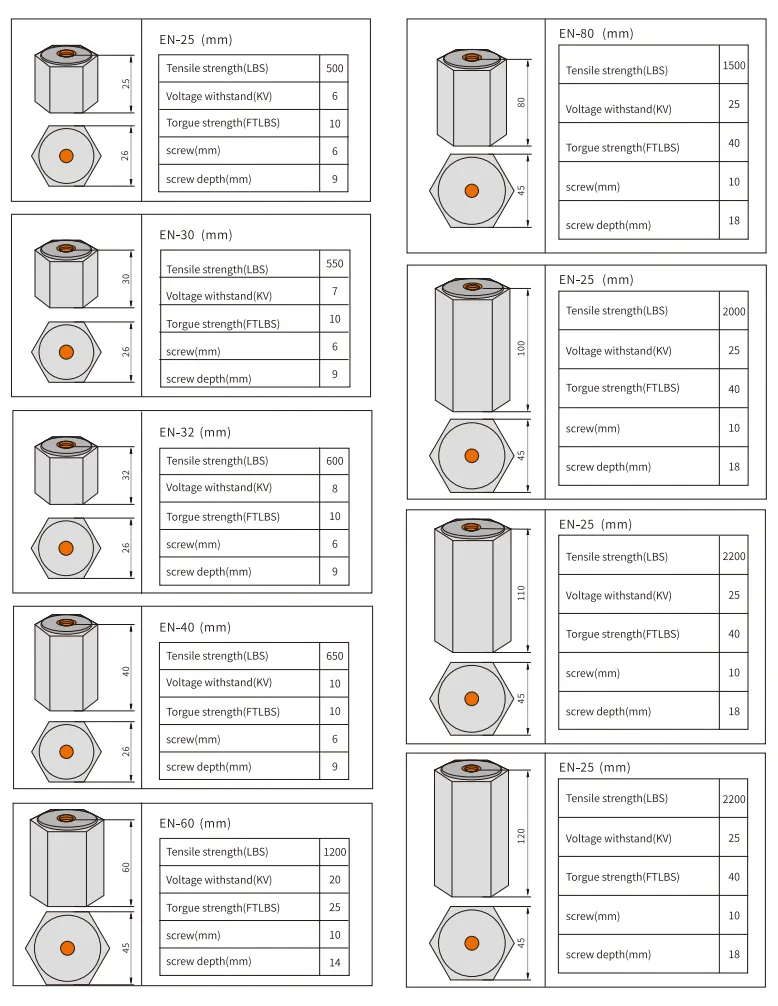
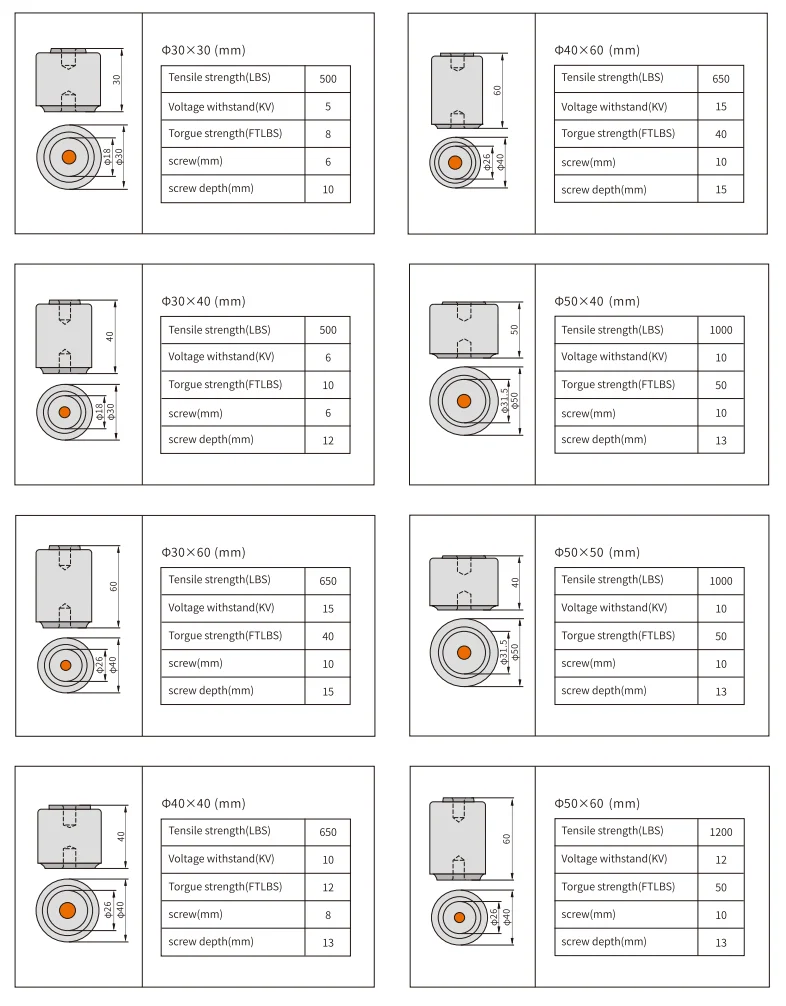
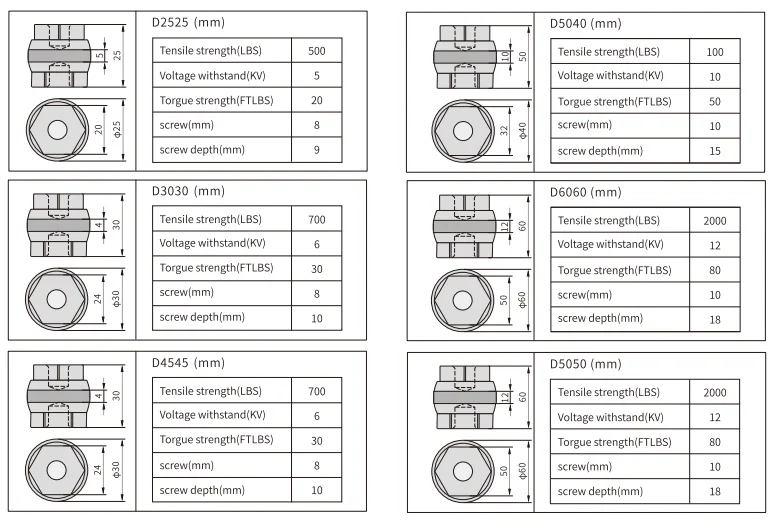
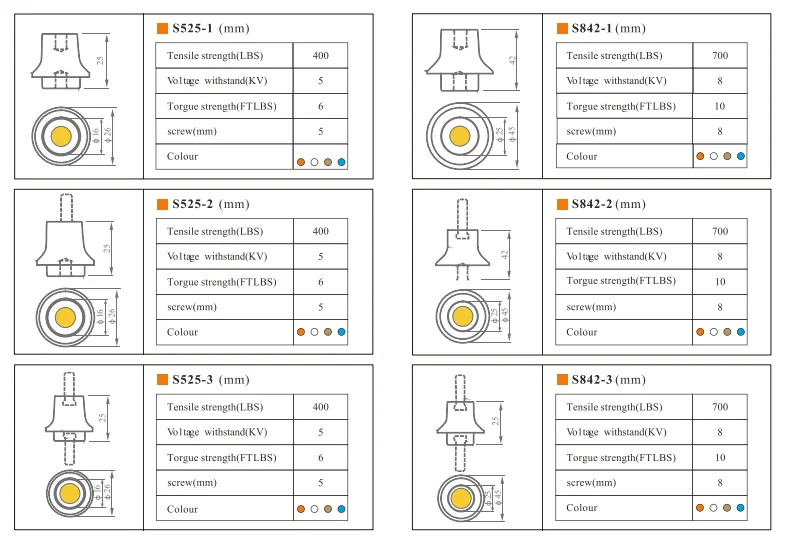
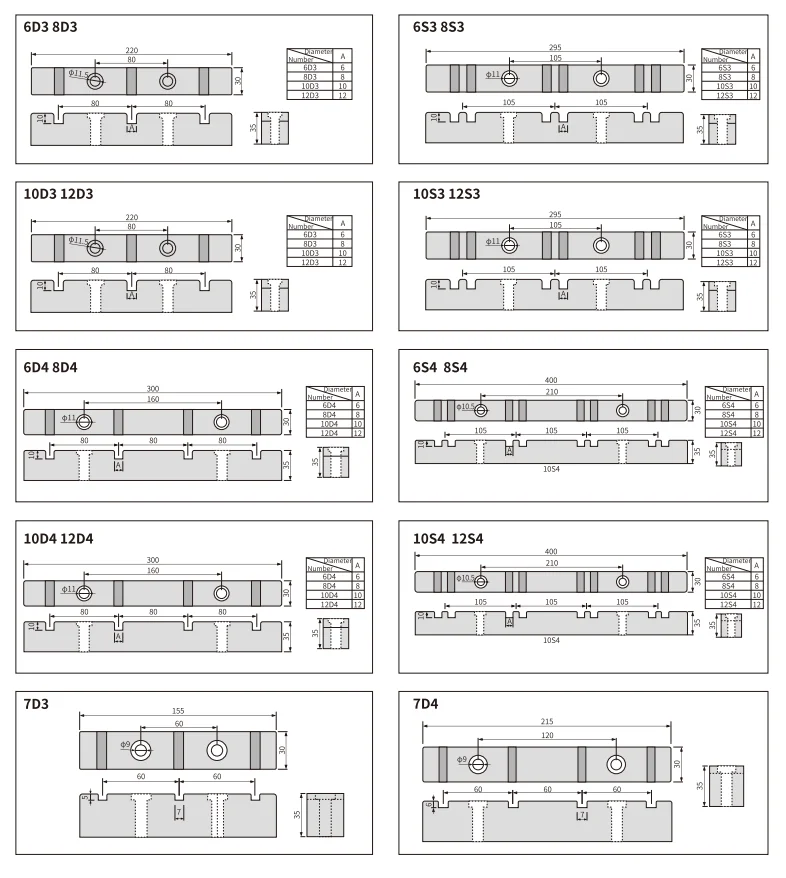
Browse dimensional drawings and typical electrical/mechanical data for our standard busbar insulators. Select a series above to view available heights, thread types and recommended tightening torque.


Custom Bus bar Insulator Manufacturing Solutions
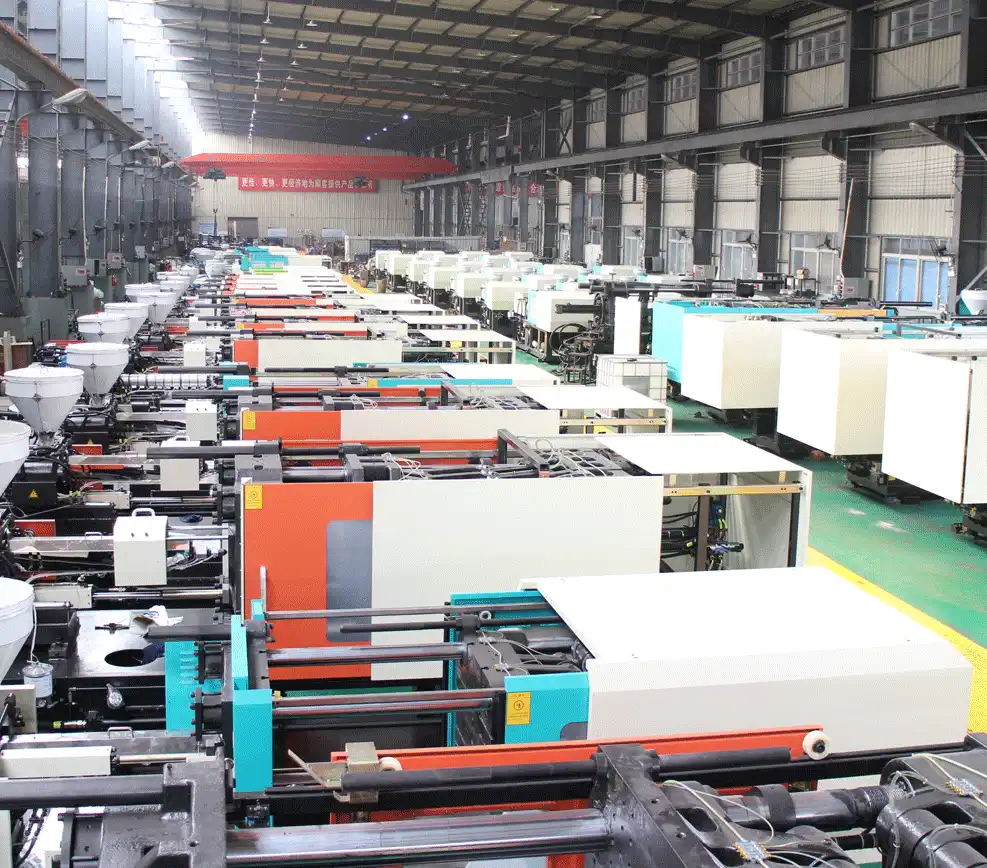
Need a non-standard height, thread, or creepage distance? WILLELE provides build-to-spec busbar insulators using fiberglass-reinforced DMC/BMC with stable molding, clean deburring, and repeatable torque performance. Our engineering team works from your drawing or sample to deliver parts that fit first time and install safely in LV/HV panels, ESS cabinets, EV charging, switchgear and UPS systems.
Industry Applications for WILLELE Busbar Insulators
WILLELE busbar insulators provide safe clearance, reliable creepage distance and solid mechanical support across a wide range of electrical systems. Built from fiberglass-reinforced DMC/BMC, they integrate easily into compact LV/HV panels and deliver consistent tightening torque for long-term performance.
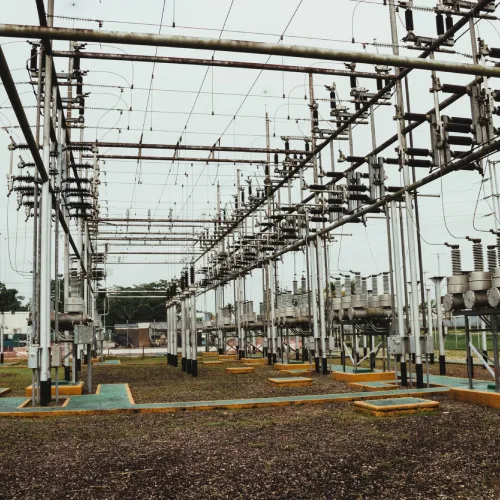
Transportation Infrastructure
Used in traction substations, signaling cabinets and roadside power equipment. Robust construction helps resist vibration and temperature swings for dependable service.
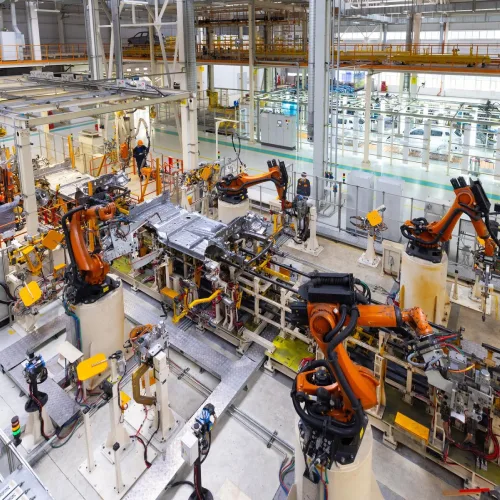
Industrial Manufacturing
Ideal for control panels, MCCs, machine tools and robotics lines. Multiple heights and thread options simplify layout, assembly and maintenance.

Telecommunications & Data Centers
For UPS systems, battery racks and DC distribution units. Compact profiles maintain insulation distance while supporting dense rack layouts and airflow.
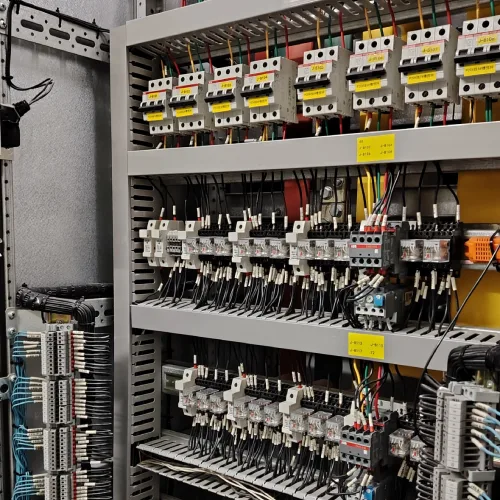
Power Distribution Systems
Applied in switchgear, PDUs and distribution boards for copper or aluminum busbars. Ensures stable mounting and safe insulation distances across critical circuits.
Comprehensive Support for Bus bar Insulator Systems
At WILLELE, you get fast engineering response, reliable production, and predictable logistics—end-to-end support that keeps your panel builds on schedule.

Expert Consultation
Our engineers review drawings and application details to validate creepage/clearance, mechanical load and mounting method. We provide DFM advice, material (DMC/BMC) recommendations, and 2D/3D files or samples for fit checks.
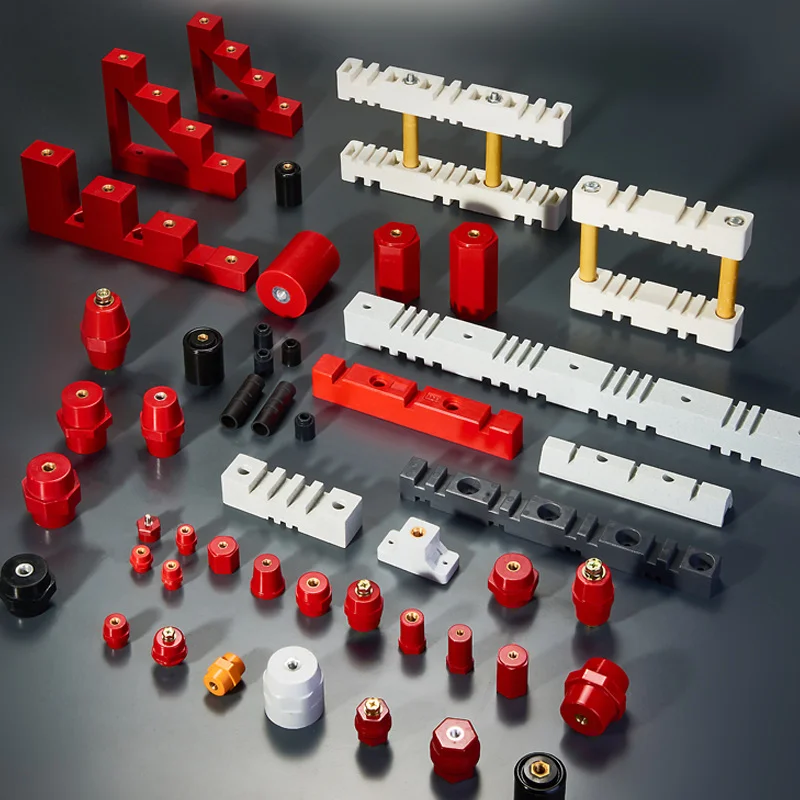
Product Selection Recommendations
Not sure which insulator to choose? We match height, OD/ID, thread type, insert depth and torque to your busbar thickness and short-circuit forces. We can suggest stocked alternatives to optimize lead time and cost, with RoHS/REACH and UL 94 V-0 notes where required.

Logistics & Shipping Support
From EXW/FOB/CIF/DAP (Incoterms) to door-to-door delivery, we coordinate secure export packing (anti-scratch bags, partitions, labels) and shipment consolidation with your other WILLELE items. Tracking and documents (invoice, packing list, CO, RoHS/REACH declaration) included.
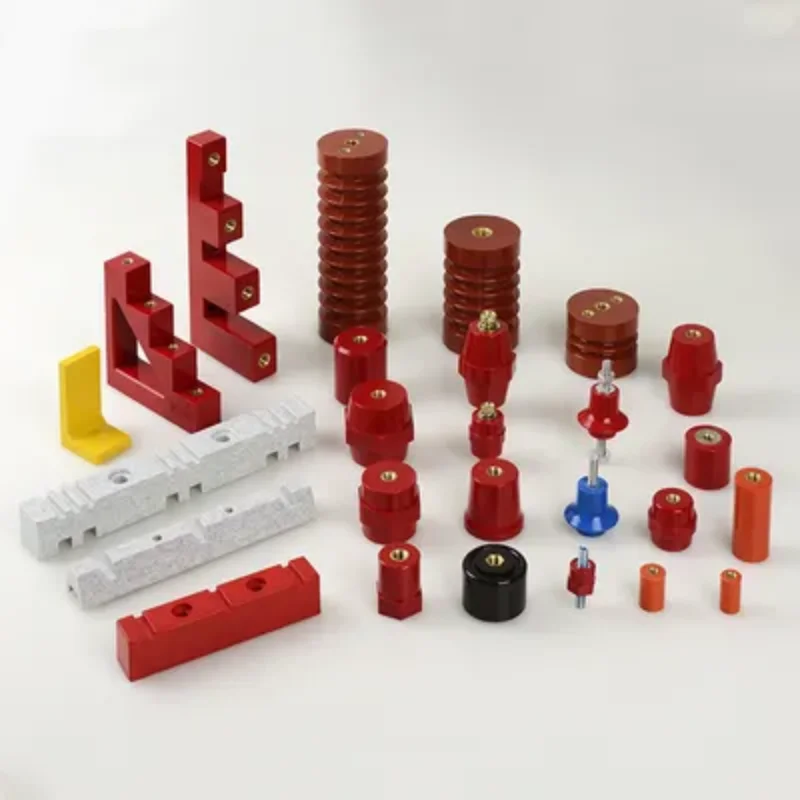
Guidance & Support
Get clear tightening torque guidance, mounting best practices (male/female/mixed inserts), and tips to maintain insulation distance in compact panels. Remote support is standard; on-site assistance is available in select regions.
WILLELE Bus bar Insulator
Bus Bar Insulator (Busbar Insulator) — Knowledge Hub & Buyer’s Guide
A bus bar insulator—also called a bus bar support insulator or standoff insulator—supports copper or aluminum busbars and keeps them electrically isolated from panels and other conductive parts. This pillar page explains materials (DMC/BMC, porcelain, epoxy), working temperatures, mechanical strength, dimensions & size chart, typical applications, and a step-by-step selection and installation guide. WILLELE supplies standard and custom bus bar insulators for LV/MV cabinets, switchboards, UPS and ESS.
What Is a Bus Bar Insulator?
A busbar insulator is a compact, usually cylindrical or hexagonal component with male/female threaded inserts. It provides two core functions: mechanical support for the busbar and electrical isolation from its mounting surface and adjacent conductors. Typical operating range is –40 °C to +130 °C with low water absorption, making it suitable for dense switchboard bus bar insulation layouts and harsh industrial environments.
How Have Bus Bar Insulators Evolved?
Early systems used glass and ceramic pieces adapted from line-insulator technology. Modern designs leverage DMC/BMC polyester composites and epoxy resins for higher dielectric strength, consistent torque, and compact sizes. Newer composite formulations improve UV and chemical resistance, while smart monitoring in critical power systems is making inspection and maintenance more proactive.
Materials Used for Bus Bar Insulators
DMC/BMC (Polyester Composites)
Fiberglass-reinforced DMC/BMC is the most common choice for low voltage bus bar insulators: high dielectric strength, excellent dimensional stability, smooth deburring, and reliable tightening torque. It’s also available in the familiar red bus bar insulator color for fast panel identification.
Epoxy Resin
Good electrical properties and low moisture absorption. Best for indoor panels where UV exposure is limited.
Porcelain/Ceramics
Very high compressive strength and thermal stability, often used in outdoor or high-stress locations and some medium voltage bus bar insulators.
Functions & Benefits
- Maintains safe creepage and clearance distances; prevents short circuits and arcing.
- Provides rigid support against vibration and short-circuit forces; extends equipment life.
- Enables compact layouts in switchgear, MCCs, UPS/ESS and data-center PDUs.
- Supports design compliance (e.g., material flammability such as UL 94 V-0; RoHS/REACH).
- Lower maintenance costs through stable torque and smooth, burr-free finish.
Where Are Bus Bar Insulators Used?
- Switchgear, switchboards and distribution boards (LV/MV).
- Industrial control panels, MCCs and industrial manufacturing lines.
- UPS, battery racks and DC distribution in telecom & data centers.
- Renewable energy: PV/ESS inverters and combiner cabinets.
- Transportation infrastructure and substations.
- “Insulated copper bus bar”, “insulated neutral bus bar”, “insulated terminal bus bar” assemblies in dense panels.
Dimensions & Size Chart
Use our series tabs to browse drawings and typical values (height, OD/ID, insert thread and depth, recommended torque). If you need a non-standard height or thread, WILLELE offers custom bus bar insulators with fast sampling.
How to Select the Right Bus Bar Insulator
- Voltage & insulation: choose a rating not lower than the system voltage; check creepage distance for pollution degree.
- Mechanical load: verify tensile/compression per bar weight and short-circuit forces.
- Thread & insert: male/female/mixed; common metric/UNC sizes with adequate insert depth.
- Environment: temperature, humidity, UV/chemical exposure; pick DMC/BMC, epoxy or porcelain accordingly.
- Layout: height and footprint to meet clearance; hex standoffs ease tool access in compact panels.
Installation Guide (Best Practices)
- Isolate and verify absence of voltage; clean mounting surfaces.
- Align insulator to holes; use proper washers/spacers where required.
- Apply the manufacturer’s tightening torque; avoid over-tightening.
- After assembly, run insulation-resistance checks; verify at least 20 MΩ per section as a general benchmark.
- For busbar coverings, consider heat shrink bus bar insulation, bus bar insulation tape or bus bar insulation sleeve where appropriate.
Common Installation Mistakes (and Solutions)
- Misalignment: causes stress and potential arcing — use jigs and follow drawings.
- Over-torque: may crack inserts or the composite — use a calibrated torque wrench.
- Ignoring environment: humidity/chemicals/UV accelerate aging — match material to the site.
- No testing: always complete insulation resistance and thermal scans before energizing.
How Bus Bar Insulators Are Made
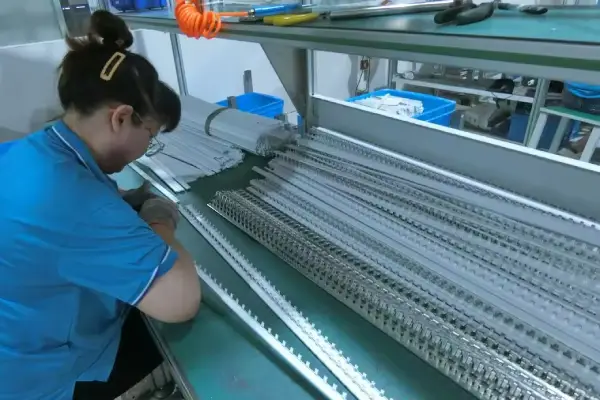
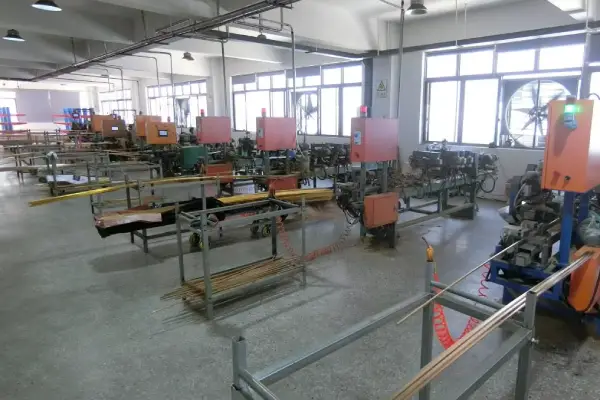
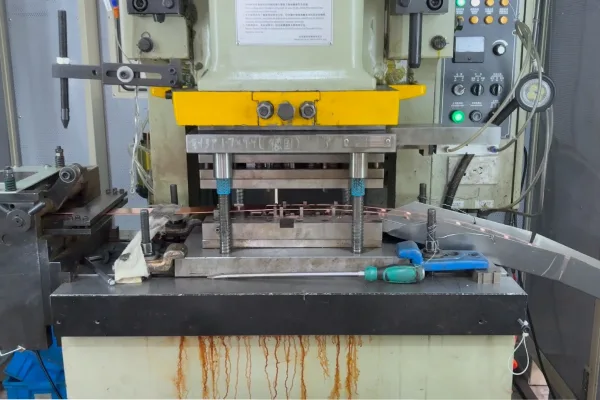
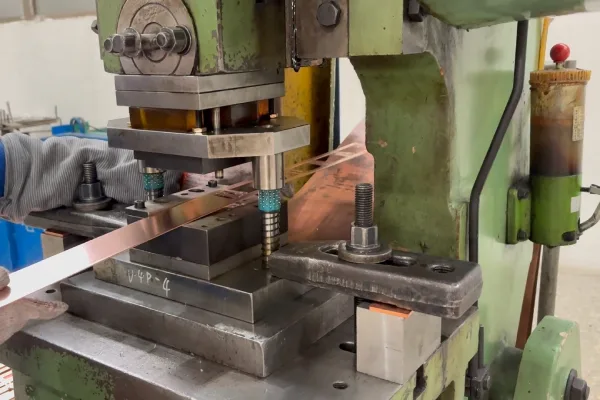
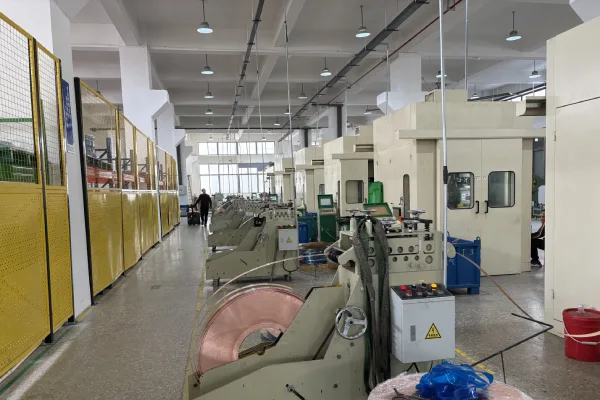
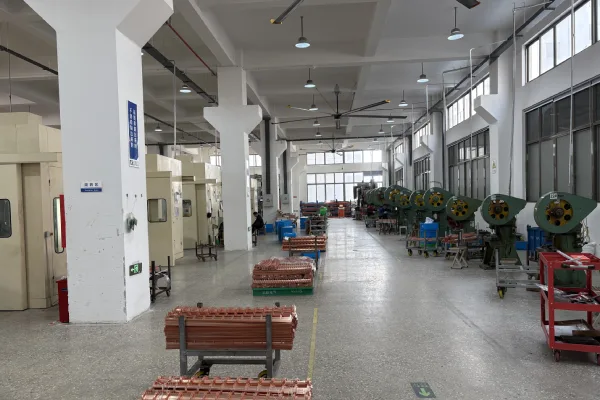
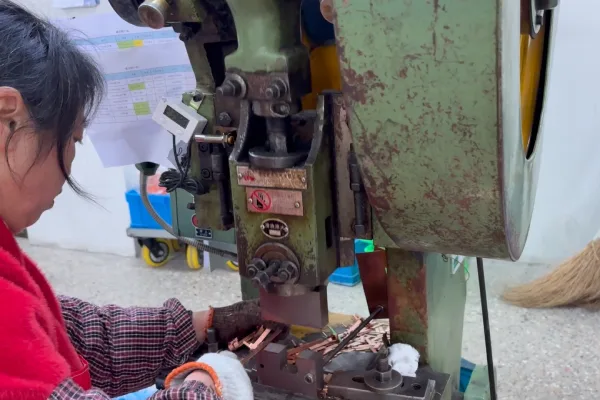
For composites, pellets of DMC/BMC are pre-heated, then compression-molded under high pressure. Metal inserts are positioned in the mold to tight tolerances, followed by controlled curing, deburring and inspection. Porcelain variants are extruded and fired at high temperature. Final QC validates dielectric strength, dimensions and torque.
Why Choose WILLELE
- Standard and custom bus bar support insulator options with flexible MOQs and fast sampling.
- Smooth, burr-free finish for consistent torque and safe handling.
- Material compliance support (RoHS/REACH) and flammability notes such as UL 94 V-0.
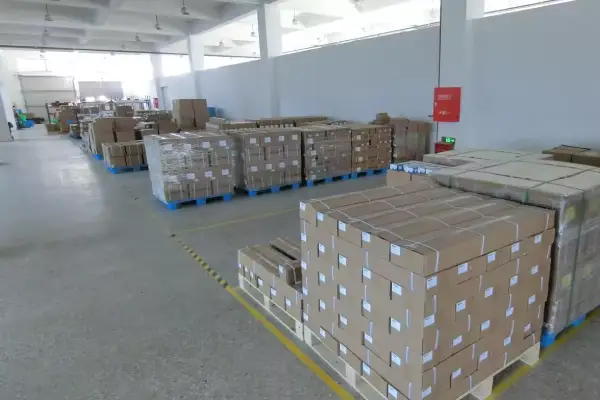
- Reliable lead times and export packing. As a China-based manufacturer, WILLELE serves global OEM/ODM projects.
Request a Custom OEM Busbar Insulator
WILLELE builds standard and private-label busbar insulators to your drawing—DMC/BMC or epoxy, metric/UNC inserts, non-standard heights & creepage distances. Fast sampling, stable lead time.
GET INSTANT QUOTE NOW