
TERMINAL BLOCK
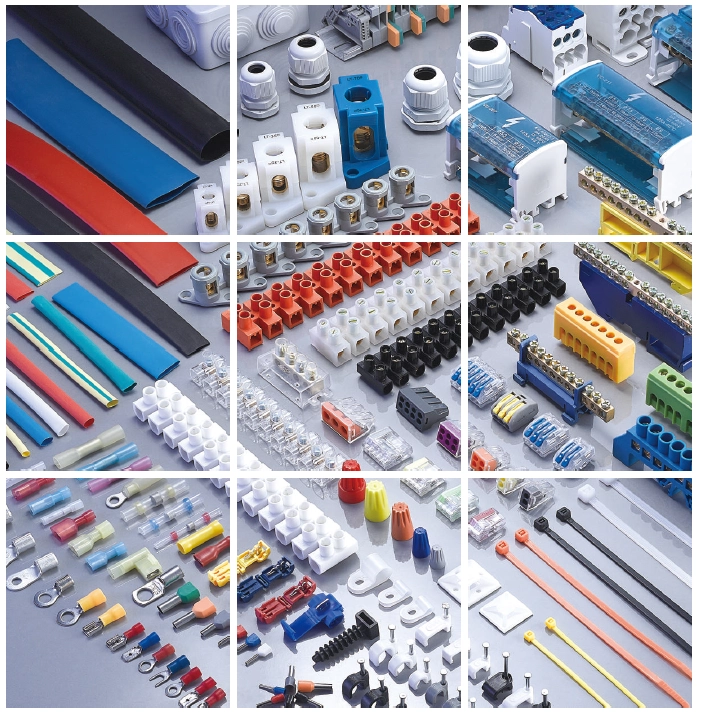
Willele: Reliable Terminal Block Manufacturer
Willele designs and manufactures a full range of terminal Connector & Block for electrical connection and power distribution. From DIN rail types (JXB, EK, UK, UKH, MRK, EW) to barrier and screw types (8T, LT, WU), our products ensure safe, durable, and efficient wiring across industrial and commercial systems.
Made from flame-retardant PA plastics and high-conductivity brass inserts, Willele terminal blocks offer stable clamping, easy installation, and long service life.
Trusted by engineers worldwide, Willele delivers reliable connection solutions for every power and control application.
Compliant with Global Safety Standards


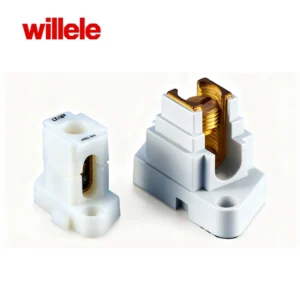
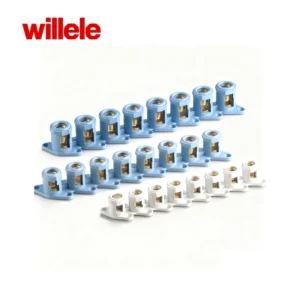
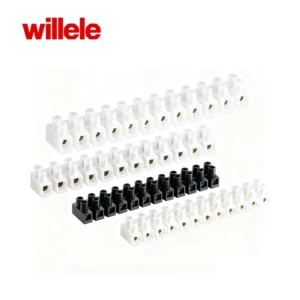
DIN RAIL TERMINAL Connector & Block
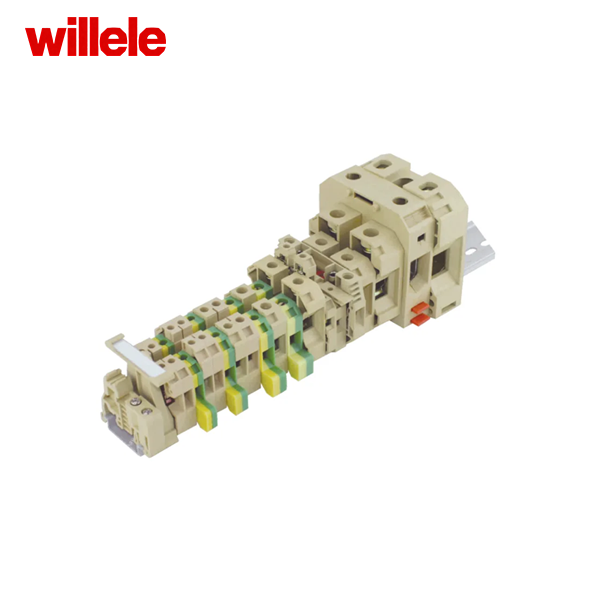
Willele SAK/JXB Terminal Block
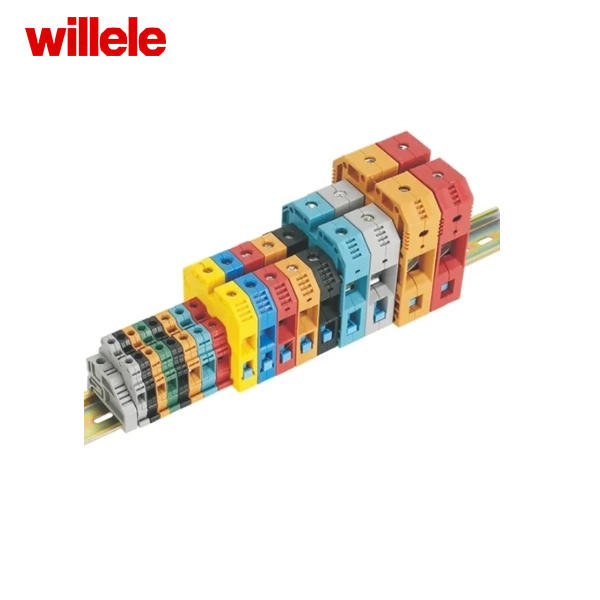
Willele MRK Terminal Block

UK Series DIN Rail Connector & Block
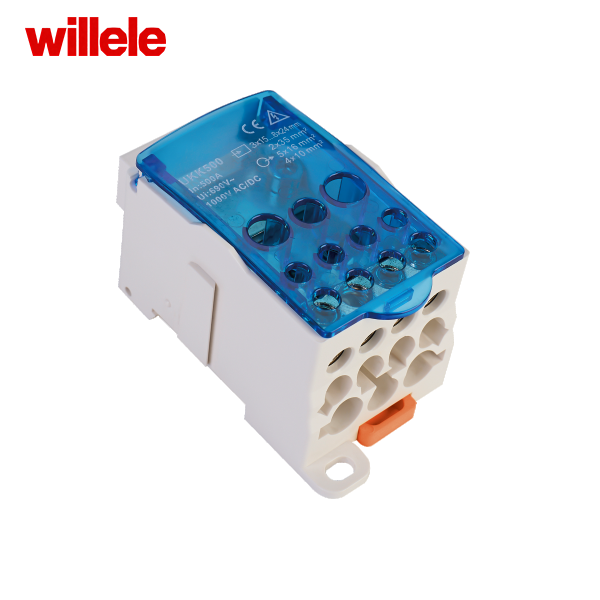
UKK SERIES Power Distribution Block
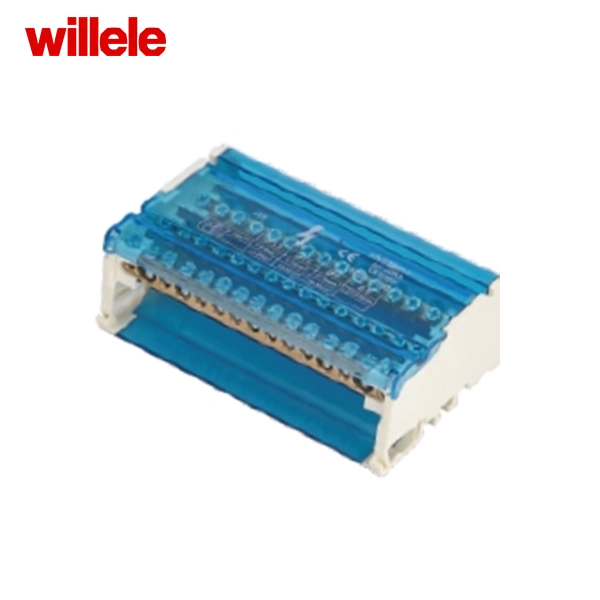
Willele WLB Modular Distribution Blocks
Why Choose Willele
Willele designs and manufactures reliable terminal Connector & Block and wire connectors for electrical connection and power distribution. From DIN-rail series (SAK/JXB, MRK, UK/UKH, UKK, USLKG) to barrier and screw types (LT, 8T, H, W(U)) and our WLE compact splicing connectors, we help panel builders deliver safe, durable, and efficient wiring.
- Proven Quality & Compliance
Built with flame-retardant PA housings and high-conductivity brass inserts, Willele products are tested for safety and performance and are supplied to meet global compliance needs (e.g., UL/CE/RoHS/ISO documentation available upon request). - Complete Portfolio
One supplier for feed-through, high-current, double-level, PE grounding, knife-disconnect, power distribution blocks (UKK), and WLE push-in/lever connectors—plus markers, jumpers, and end brackets. - Engineering-Led Innovation
Spring-cage and push-in technologies deliver consistent contact force, reduce installation time, and improve reliability in vibration-prone environments. - Fast, Clean Installation
DIN rail snap-on designs (TS35/TS15), clear color coding, pre-assembled jumper options, and compact footprints keep panels neat and serviceable. - Responsive Service & Value
Application guidance, CAD files, samples, and quick logistics help you select and deploy the right solution—performance you can trust at competitive cost.

Willele: Reliable Terminal Block & Connector Manufacturer
Willele designs and manufactures a full portfolio of terminal Connector & Block and wire connectors for electrical connection and power distribution. From DIN-rail types (SAK/JXB, MRK, UK Series, UKK, USLKG) to barrier & screw types (LT, 8T, H, W(U)), and WLE quick connectors (push-in & compact splicing), we help panel builders deliver safe, durable, and efficient wiring across industrial and commercial systems. Flame-retardant PA housings and high-conductivity brass inserts enable stable clamping, easy installation, and long service life.
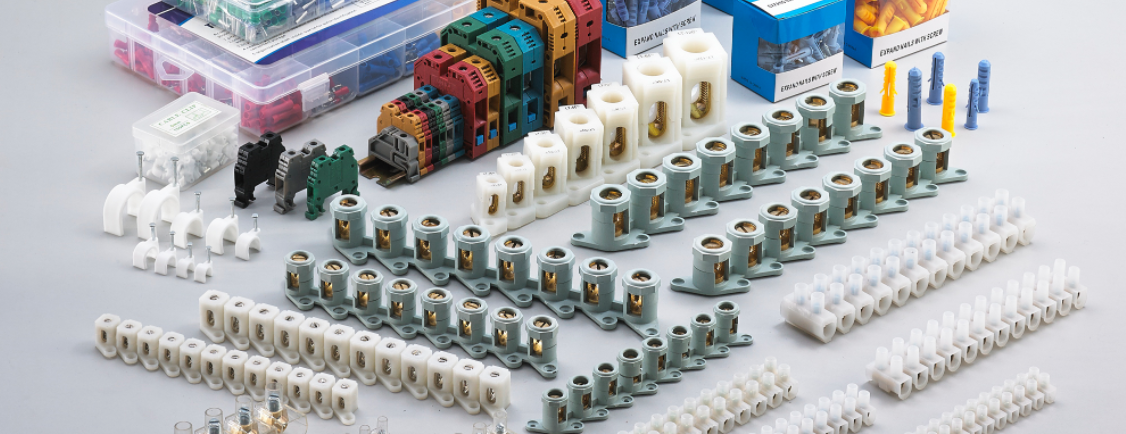
Barrier & Screw Type Terminal Blocks
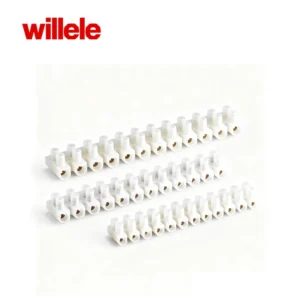
Willele W(U) Type Terminal Block (12 Pole) – Row-type strip for clean, modular wiring layouts.
Willele LT Type Terminal Block – Barrier-style terminal, robust screw clamp for simple feed-through wiring.
Willele 8T Type Terminal Block (8 Pole) – Multi-circuit barrier strip; neat, compact panel mounting.
Willele H Type Terminal Block (12 Pole) – High-density barrier strip for organized field termination.
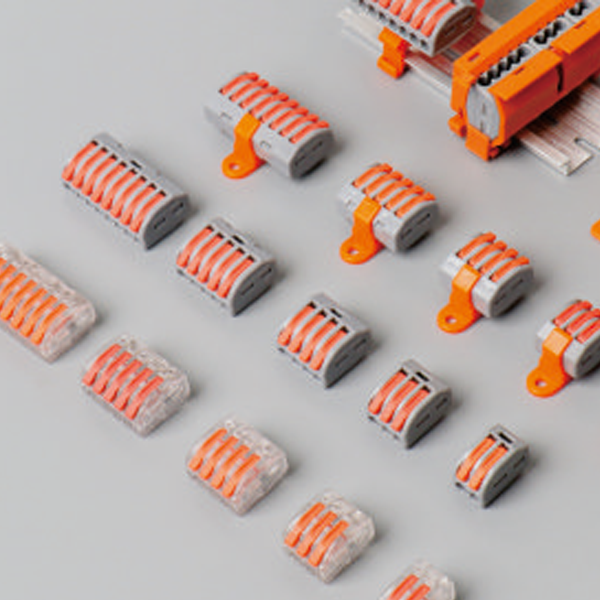
Quick Connectors (WLE Series)
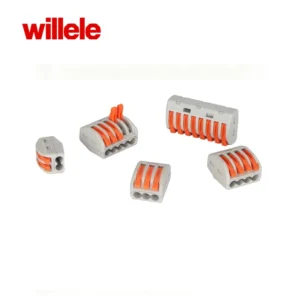
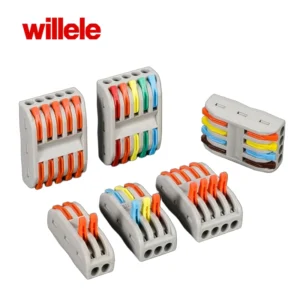
WLE Compact Splicing Connectors – Lever-actuated, reusable connectors for lighting loops and junction boxes.
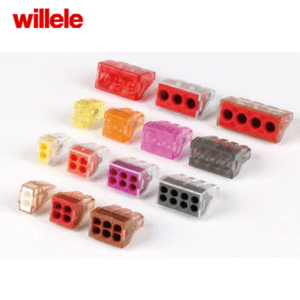
Willele WLE Series Push-in Wire Connectors – Tool-free push-in spring technology for fast cabinet work.
DIN Rail Terminal Connector
- Willele SAK/JXB Terminal Connector & Block – Classic DIN-rail screw-clamp series for general control wiring.
- Willele MRK Terminal Connector & Block – Modular function terminals for structured panel builds.
- UK Series DIN Rail Terminal Connector & Block – Spring-cage solutions for vibration-resistant connections.
- UKK Series Power Distribution Block – Compact, color-coded distribution blocks for clean power branching.
More Than a Terminal Block Manufacturer
We don’t just ship hardware—we help you build safer, cleaner wiring. From early selection to on-site support, Willele provides fast answers, practical engineering, and dependable delivery so your panel comes together on schedule.

Expert Consultation
From simple feed-throughs to complex cabinets, our engineers assess load, voltage class, conductor size, standards, and environment to specify the right family—SAK/JXB, MRK, UK/UKH (spring-cage), USLKG (PE), or barrier types LT/8T/H/W(U)—with matching accessories. Drawings, datasheets, and cross-references provided.

Product Selection Recommendations
Not sure which terminal Connector & Block fits? Share pole count, wire range, rail type (TS35/TS15), and functions (double-level, disconnect, ground). We confirm exact part numbers, bridging/marker options, and return pricing and lead time—typically within 12 hours.

Logistics & Shipping Support
From export paperwork to carton labeling and palletization, we arrange reliable transport under flexible Incoterms. Expect clear ETAs, tracking, and proactive updates to keep your build on schedule.

Guidance & Support
During installation we advise on strip lengths, tightening torque, end-clamp spacing, bridging and marking schemes, and DIN-rail or panel mounting. For larger projects we offer remote start-up help or on-site assistance.
Knowledge About Terminal Blocks
A terminal block (also called a terminal connector) is a modular device that joins conductors, provides test/label points, and keeps panels serviceable. Common types of terminal blocks include barrier terminal block (classic screw terminal block), spring cage terminal block and push in terminal block, plus function variants such as double level terminal block, knife disconnect terminal, and PE/earth grounding types. See our Wiring Guide and the page-end FAQ.
- Control panels, marshalling rows, MCCs & distribution cabinets
- Industrial machinery & OEM equipment; building automation & HVAC
- Process I/O termination, sensor/actuator routing, and test points
- DIN rail terminal block layouts on TS35 / TS15 rails for scalable assembly — learn more about DIN rail basics
A din rail mount terminal block snaps onto standardized rails for fast, repeatable layouts. Choose TS35 (35 mm) for most panels or TS15 when space is limited; some strips can also be panel-mounted when rails are not used. Reference: DIN rail profiles.
- Barrier / Screw: broad wire compatibility and strong mechanical hold; ideal for general feed-through.
- Spring-cage: consistent contact force under vibration with minimal re-torque; great for high-volume builds.
- Push-in: tool-free insertion of prepped conductors for the fastest cabinet wiring.
- Double level terminal block: two circuits in one footprint to increase density.
- Knife disconnect terminal: visible isolation for testing, loop checks, or safe separation.
- Other options: fuse, test, diode, pluggable and sensor/actuator variants for diagnostics and protection.
Use a ground terminal block to bond protective earth. A dedicated PE terminal block (green/yellow) ensures a low-impedance path to the earth busbar, sometimes called an earth terminal. Standards overview: UL 1059, IEC 60947-7-1.
- Terminal block jumper: distribute common potentials without extra wiring.
- Terminal block marker strip: keep circuits traceable; match IDs to schematic tags.
- End clamp (end bracket): lock the row on the rail to prevent creep under vibration/cable pull.
Use this quick checklist for terminal block selection before ordering:
- Clamp style: barrier/screw for versatility; spring-cage or push-in for speed and vibration resistance.
- Function: feed-through, double level, knife disconnect, test/fuse, or PE ground.
- Mounting: TS35 vs TS15; modular DIN-rail vs panel-mount strip.
- Labeling & distribution: plan terminal block jumper positions and marker strip scheme; add an end clamp.
- Compliance & docs: request UL/CE/RoHS files; keep installation notes with the datasheet.
Sizing tips (wire range, current rating, strip length, torque) appear in the FAQ.
- Ratings: current rating and voltage depend on model and conductor size—always confirm in the datasheet.
- Materials: flame-retardant PA housings; copper/brass current bars for low resistance and durability.
- Test points: many blocks include integrated ports for commissioning and maintenance.
- Environment: choose clamp style for vibration, temperature, and maintenance strategy.
- Strip to the specified length and fully seat the conductor; see the datasheet’s strip length for terminal block.
- Tighten to the recommended terminal block torque and perform a light pull test.
- Use the correct cavity and ferrule size; avoid double-up unless explicitly allowed.
- Plan bridging and marking early: position jumpers and apply marker strips to match the schematic.
- Re-check tightness after first energization or vibration exposure; close any covers or shields after testing.
Terminal Block FAQ
How do I choose a terminal block? (terminal block selection)
What voltage and current do I need? (ratings & compliance)
What strip length and torque should I use? Can I DIN rail or screw mount?
How do I use a terminal block jumper and marker correctly?
When should I use a ground terminal block? (PE terminal block wiring)
TS35 vs TS15 — which rail should I choose? (din rail terminal block sizes)
Which clamp works best in vibration? (spring cage vs screw in vibration)
Do terminal blocks need maintenance? How do I use a test point?
Request a Custom Terminal Block Quote
WILLELE supplies OEM/ODM terminal blocks to your spec — DIN rail terminal block (TS35/TS15), barrier/screw and spring-cage/push-in options, double-level, knife-disconnect, and PE ground. Tell us wire size & current rating, pole count, rail type, plus accessories (terminal block jumper, marker strip, end clamp). Fast sampling & stable lead time.
GET INSTANT QUOTE NOW