
Waterproof Wire Nuts for Solar Panel Installations: Application Guide

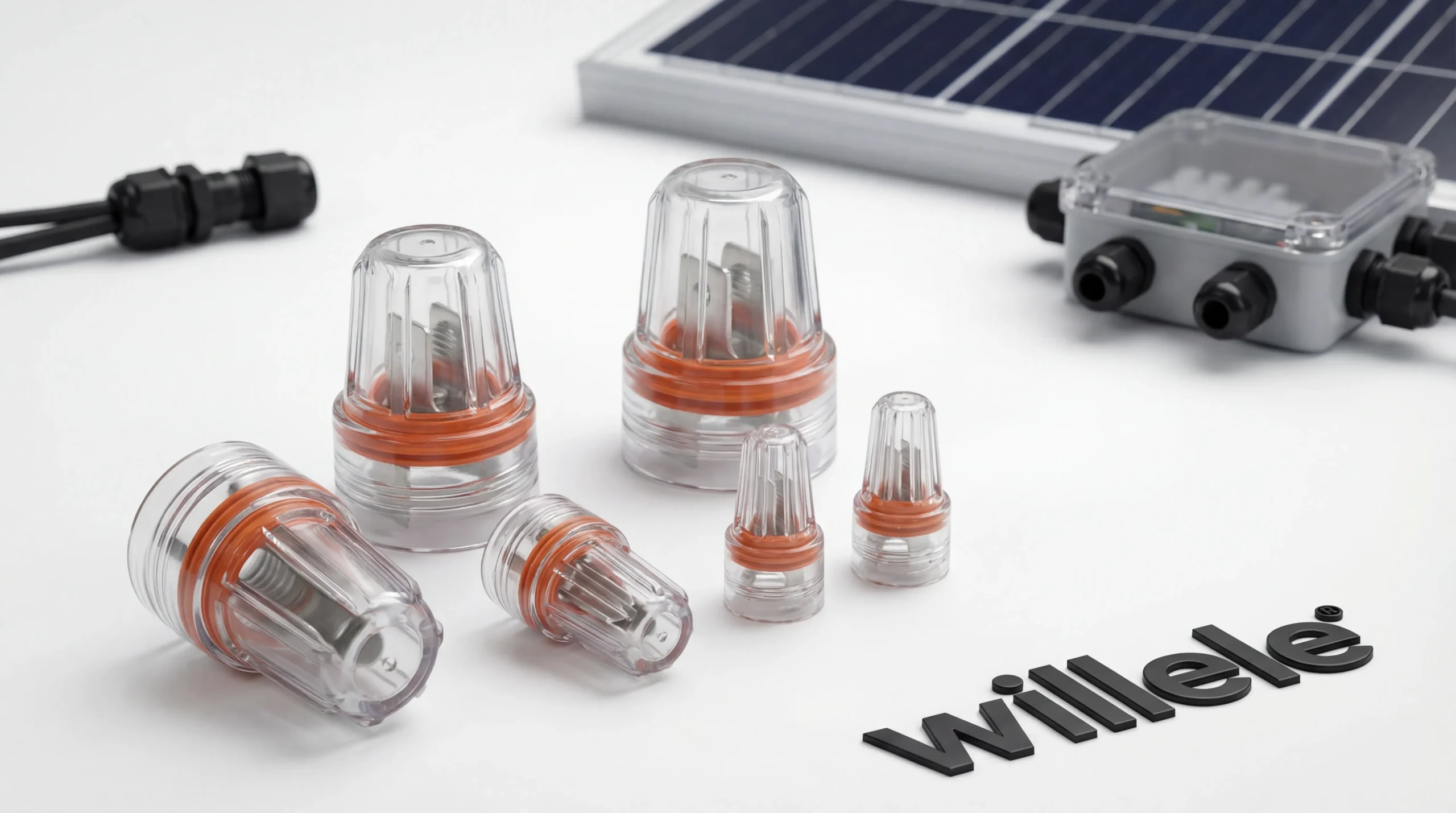
Ensuring the longevity and safety of photovoltaic (PV) systems requires meticulous attention to detail, particularly at connection points. While panels and inverters often get the spotlight, the integrity of the electrical connections defines the system’s reliability. Waterproof wire nuts for solar panel installations are critical components designed to protect wire splices from moisture, corrosion, and dielectric breakdown in harsh outdoor environments.
For electrical contractors and solar installers, choosing the right connector is not just about convenience—it is about compliance, safety, and minimizing long-term maintenance costs. As a manufacturer committed to electrical excellence, Willele provides high-grade solutions ranging from premium heat shrink tubing to advanced waterproof connectors.
Why Waterproofing is Non-Negotiable in Solar Arrays
Solar installations are exposed to the full spectrum of environmental stressors: rain, snow, humidity, and condensation caused by temperature cycling. Standard wire connectors (dry locations only) are insufficient for these conditions.
When moisture penetrates a standard wire nut, it accelerates galvanic corrosion between copper conductors. This oxidation increases electrical resistance, creating “hot spots” that can lead to system failure or, in worst-case scenarios, electrical fires. Waterproof wire nuts mitigate this risk by utilizing a pre-filled silicone sealant that encapsulates the splice, displacing moisture and preventing oxidation.
Technical Architecture of a Waterproof Wire Nut
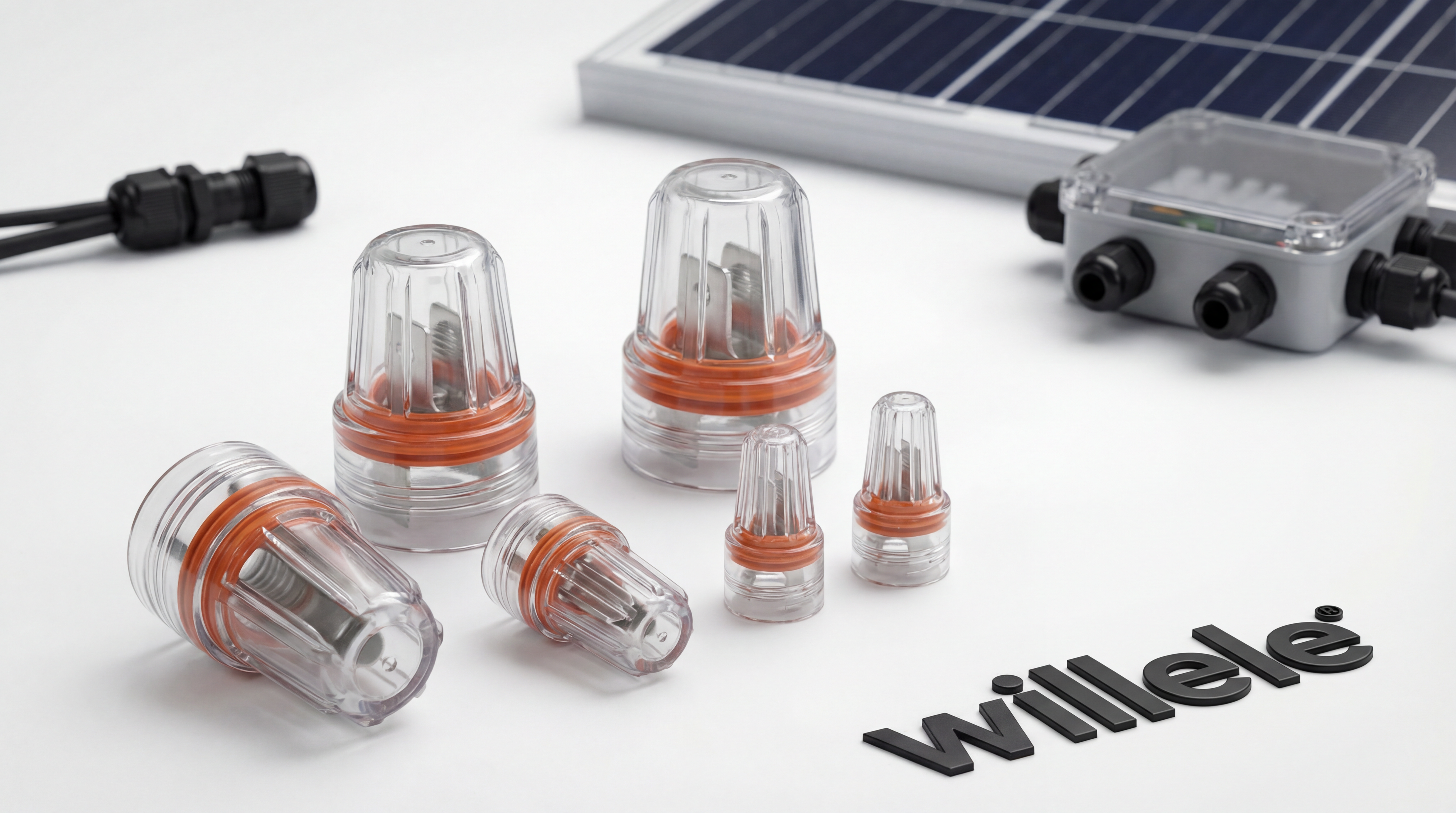
Unlike standard twist-on connectors, waterproof variants are engineered systems. They combine mechanical pressure with chemical sealing.
Key Components
- The Shell: Typically made from UV-resistant thermoplastic to withstand direct sunlight without becoming brittle.
- The Spring: A live-action square wire spring provides a secure mechanical grip on the conductors, maintaining continuity even during thermal expansion and contraction.
- The Sealant: A non-hardening, silicone-based dielectric sealant fills the cavity. When wires are inserted, this gel is forced around the conductors, creating a waterproof seal rated for damp and wet locations.
Comparison: Wire Nuts vs. Heat Shrink Tubing
At Willele, we specialize in both connection methods. While our dual-wall adhesive-lined heat shrink tubing provides the ultimate permanent seal (often IP68 rated), waterproof wire nuts offer specific advantages in installation speed and accessibility.
| Feature | Waterproof Wire Nuts | Adhesive-Lined Heat Shrink | Standard Wire Nuts |
|---|---|---|---|
| Moisture Protection | High (Silicone Sealant) | Maximum (Encapsulated) | None |
| Installation Speed | Fast (Twist-on) | Slower (Requires Heat Gun) | Fast |
| Re-enterability | Possible (but not recommended) | No (Permanent Bond) | Yes |
| Vibration Resistance | Good | Excellent | Fair |
| Typical Use Case | Junction boxes, maintenance | Direct burial, permanent splices | Indoor wiring only |
Specifications and Selection Guide
When selecting waterproof wire nuts for solar panel installations, installers must ensure the product meets the specific voltage and environmental requirements of the PV array.
Electrical and Environmental Ratings
| Specification | Standard Requirement | Willele Performance Target |
|---|---|---|
| Voltage Rating | 600V (Building Wire) | 600V / 1000V (Signs/Fixtures) |
| Temperature Rating | 105°C (221°F) | -40°C to 105°C |
| Wire Type | Copper/Copper | Copper/Copper |
| Sealant Type | Silicone/Petroleum based | 100% Silicone-based Dielectric |
| Housing Material | Thermoplastic | UV-Stabilized Polypropylene |
Wire Gauge Compatibility Table
Different connector sizes (often color-coded) correspond to specific wire gauge ranges (AWG).
| Connector Size/Color | Min Wire Combination | Max Wire Combination | Typical Solar Application |
|---|---|---|---|
| Small (Blue/Orange) | 2x #22 AWG | 3x #16 AWG | Sensor wiring, monitoring leads |
| Medium (Yellow/Red) | 2x #18 AWG | 2x #12 AWG | Standard PV wire connections |
| Large (Red/Tan) | 2x #14 AWG | 2x #8 AWG | Combiner boxes, heavy gauge runs |
Installation Best Practices
Even the highest quality connector can fail if installed incorrectly. Follow these steps to ensure a secure, waterproof connection.
Step-by-Step Procedure
- Turn Off Power: Ensure the PV array is disconnected or covered to prevent shock hazards.
- Strip Wires: Strip wires to the length recommended by the manufacturer (usually 1/2″ to 5/8″). Ensure no stray strands are protruding.
- Align Conductors: Hold the stripped ends together with ends even. Pre-twisting is generally acceptable but check specific product instructions; many modern nuts do not require pre-twisting.
- Insert and Twist: Push the wires firmly into the waterproof wire nut until resistance is felt. Twist the connector clockwise until it is tight.
- Verify Seal: Ensure the silicone sealant has coated the entry point. You should see a small amount of gel visible at the skirt, confirming the splice is submerged.
- Tug Test: Gently pull on each wire to ensure they are mechanically secure.
Common Installation Mistakes to Avoid
- Over-stripping: Exposing too much bare copper below the connector skirt creates a shock hazard and a corrosion point.
- Under-stripping: Prevents the spring from gripping the conductor, leading to loose connections and arcing.
- Reusing Connectors: Once a waterproof nut has been used, the silicone gel is displaced. Reusing it may result in voids in the sealant. Always use a new connector for a new connection.
Troubleshooting and Maintenance
In solar O&M (Operations and Maintenance), connection failures are a leading cause of energy loss.
- Symptom: Intermittent power loss or inverter ground fault errors.
- Check: Inspect junction boxes for moisture accumulation. If wire nuts show signs of melting or discoloration, it indicates high resistance due to a poor connection or corrosion.
- Symptom: Visible corrosion on wire entry.
- Solution: Cut the wire back to clean copper and re-terminate with a new waterproof wire nut or upgrade to Willele heat shrink tubing for a permanent fix.
FAQ: Waterproof Wire Nuts in Solar Applications
Q: Can waterproof wire nuts be used for direct burial?
A: Generally, no. While they are rated for damp and wet locations (like inside a NEMA 3R enclosure or a junction box), most twist-on wire nuts are not rated for direct burial underground. For direct burial, use specialized direct-burial lug kits or heavy-wall adhesive heat shrink tubing.
Q: Are these connectors compatible with aluminum wire?
A: Most standard waterproof wire nuts are rated for Copper to Copper connections only. Do not use them on aluminum wire unless the product is specifically marked “AL/CU” and contains an antioxidant compound suitable for aluminum.
Q: How do I know if the connector is UV rated?
A: Look for the “UV Resistant” or “SR” (Sunlight Resistant) marking on the packaging. While the connector is usually housed inside a junction box or behind a panel, UV resistance ensures longevity if the housing is accidentally exposed.
Q: Can I use electrical tape over the wire nut for extra protection?
A: While not harmful, it is unnecessary if the correct waterproof wire nut is used. In fact, poor taping can trap moisture inside the tape against the wire. Rely on the internal silicone sealant of the connector.
Willele Electric is dedicated to powering the future with reliable connection solutions. Whether you need the accessibility of waterproof wire nuts or the permanence of industrial heat shrink tubing, our products are engineered to withstand the rigors of the solar industry.
