
How to Select the Right Low Voltage Busbar Insulator for Your Switchgear Project

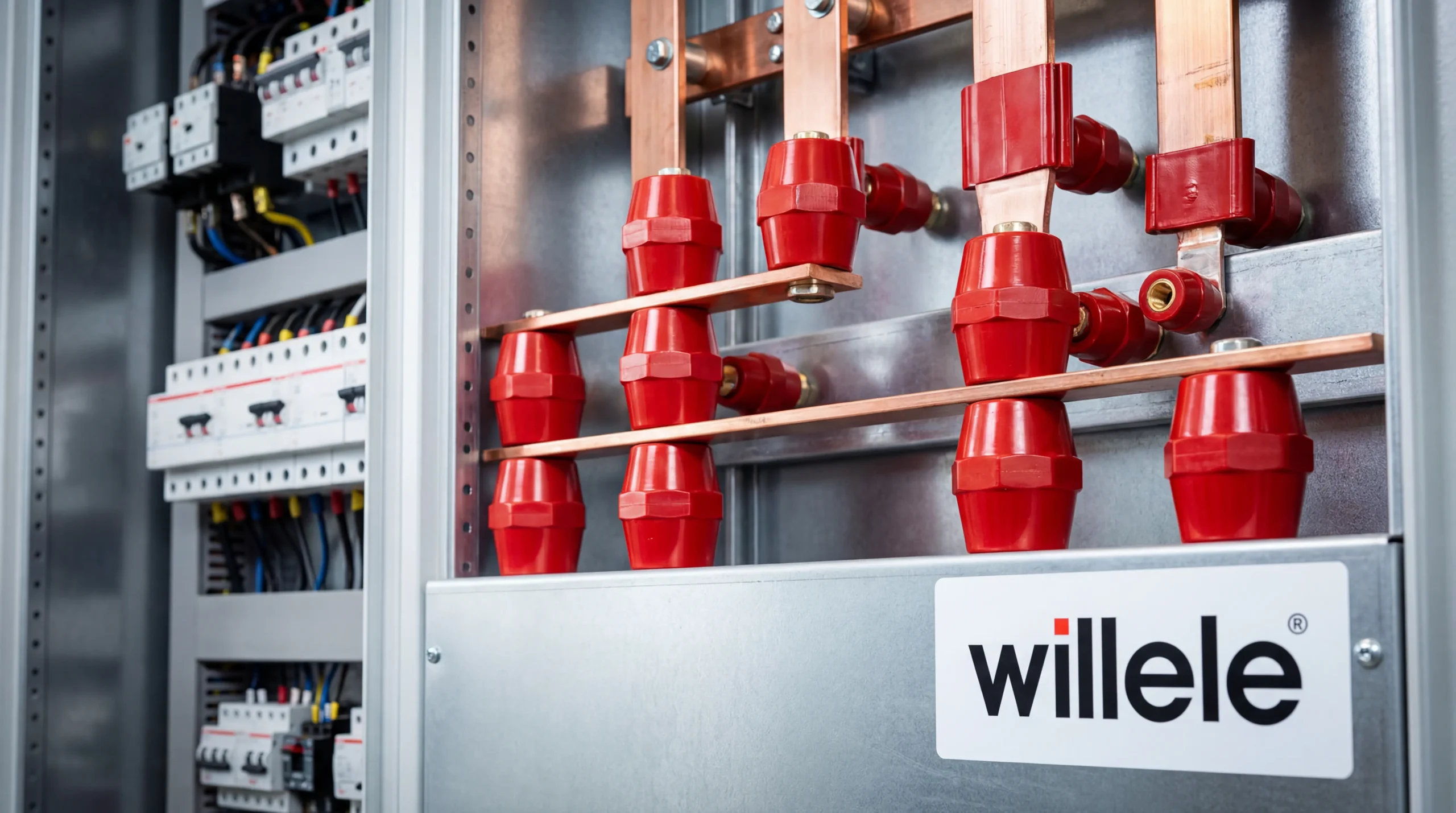
Selecting the right low voltage busbar insulator is a critical decision that directly impacts the safety, reliability, and longevity of your switchgear installation. As electrical systems become increasingly complex and demanding, the role of busbar insulators has evolved from simple support components to sophisticated engineering solutions that must withstand mechanical stress, electrical loads, and environmental challenges. This comprehensive guide will walk you through the essential considerations, technical specifications, and selection criteria to ensure your switchgear project achieves optimal performance.
Understanding Low Voltage Busbar Insulators: Foundation of Electrical Safety
Low voltage busbar insulators serve as the critical interface between conductive busbars and the grounded metal enclosure of switchgear systems. These components must provide robust electrical insulation while mechanically supporting busbars that carry substantial current loads. In low voltage applications—typically defined as systems operating below 1000V AC or 1500V DC—the insulator’s performance directly influences system reliability, personnel safety, and operational efficiency.
Modern busbar insulators have evolved significantly from traditional porcelain designs. Today’s advanced materials, particularly engineered thermoplastics and composite resins, offer superior performance characteristics including enhanced dielectric strength, improved mechanical properties, and better resistance to environmental factors. Understanding these material advancements is fundamental to making informed selection decisions that align with your specific project requirements.
The electrical distribution landscape has shifted dramatically with the proliferation of renewable energy systems, data centers, and industrial automation. These applications demand busbar insulators that can handle higher current densities, withstand frequent thermal cycling, and maintain consistent performance across varying environmental conditions. Consequently, the selection process has become more nuanced, requiring careful evaluation of multiple technical parameters rather than relying solely on voltage ratings.
Critical Selection Criteria for Low Voltage Busbar Insulators
Voltage Rating and Dielectric Strength
The voltage rating represents the maximum continuous operating voltage the insulator can safely withstand. However, focusing solely on nominal voltage overlooks crucial factors like transient overvoltages, impulse withstand capability, and creepage distance requirements. Dielectric strength—measured in kV/mm—indicates the insulator’s ability to resist electrical breakdown under stress. For low voltage applications, insulators typically offer dielectric strength ranging from 15 to 30 kV/mm, with specific values depending on material composition and manufacturing processes.
Creepage distance, the shortest path along the insulator surface between conductive parts, becomes particularly important in environments with contamination, humidity, or condensation. International standards such as IEC 60664-1 define minimum creepage distances based on pollution degree and overvoltage category. Selecting insulators with adequate creepage distance prevents surface tracking and ensures long-term reliability even in challenging environmental conditions.
Current Carrying Capacity and Thermal Performance
While insulators themselves don’t conduct current, they must withstand the thermal effects generated by busbar heating. The current carrying capacity of your busbar system directly influences the thermal load experienced by insulators. Temperature rise in busbars creates thermal expansion, mechanical stress, and potential degradation of insulating materials if not properly managed.
High-performance insulator materials maintain their mechanical and electrical properties across wide temperature ranges, typically from -40°C to +130°C or higher. The glass transition temperature (Tg) of thermoplastic insulators represents a critical threshold above which material properties change significantly. Selecting insulators with appropriate thermal ratings ensures dimensional stability, prevents creep deformation, and maintains consistent clamping force on busbars throughout the operational temperature range.
Mechanical Strength and Short-Circuit Withstand
Busbar insulators must provide robust mechanical support against static loads from busbar weight and dynamic forces during short-circuit events. Short-circuit currents generate enormous electromagnetic forces—often exceeding 10 times the normal operating current—that create severe mechanical stress on insulators and their mounting points. The mechanical strength of insulators, typically characterized by cantilever strength or breaking load, must exceed these forces with adequate safety margins.
Modern insulator designs incorporate reinforced structures, optimized geometries, and high-strength materials to withstand short-circuit forces. Glass-fiber reinforced thermoplastics and thermoset composites offer exceptional strength-to-weight ratios, enabling compact designs without compromising mechanical performance. When evaluating mechanical specifications, consider both the ultimate breaking strength and the deflection characteristics under load, as excessive deflection can compromise electrical clearances.
Material Selection: Comparing Insulator Technologies
| Material Type | Dielectric Strength | Temperature Range | Mechanical Strength | Environmental Resistance | Cost Factor |
|---|---|---|---|---|---|
| Epoxy Resin (Thermoset) | Excellent (25-30 kV/mm) | -40°C to +155°C | Very High | Excellent | High |
| DMC/BMC Composite | Excellent (20-28 kV/mm) | -40°C to +140°C | Very High | Excellent | Medium-High |
| Polyester (Thermoplastic) | Good (18-25 kV/mm) | -30°C to +130°C | High | Good | Medium |
| Nylon/PA (Thermoplastic) | Good (15-20 kV/mm) | -40°C to +120°C | Medium-High | Moderate | Low-Medium |
| Polycarbonate (PC) | Good (16-22 kV/mm) | -40°C to +125°C | Medium | Good | Medium |
Environmental Considerations and Protection Standards
Environmental factors significantly influence insulator performance and longevity. Humidity, temperature extremes, chemical exposure, UV radiation, and contamination all affect insulating materials differently. Understanding your installation environment enables appropriate material selection and protection measures.
IP (Ingress Protection) ratings define the enclosure’s protection level against solid objects and liquids. For switchgear applications, common ratings range from IP20 (basic indoor protection) to IP65 (dust-tight and water-jet resistant for harsh environments). The insulator material must complement the overall enclosure protection strategy, maintaining performance even when exposed to moisture ingress or contamination.
Coastal installations, industrial facilities with chemical exposure, and outdoor applications present unique challenges. Salt spray, acidic or alkaline atmospheres, and industrial pollutants can accelerate surface tracking and material degradation. Selecting insulators with appropriate material resistance—such as UV-stabilized formulations for outdoor use or chemically resistant compositions for industrial environments—ensures reliable long-term operation.
Standards Compliance and Certification Requirements
International and regional standards provide essential frameworks for insulator selection, testing, and application. Key standards include IEC 61439 for low voltage switchgear assemblies, IEC 60664-1 for insulation coordination, and UL 508 for North American industrial control equipment. Compliance with these standards ensures insulators meet minimum safety and performance requirements.
Beyond basic compliance, third-party certifications from organizations like UL, CE, CCC, and GOST provide independent verification of product quality and performance. These certifications often require rigorous testing including dielectric withstand tests, temperature cycling, mechanical load testing, and flammability assessment. Specifying certified insulators reduces project risk and facilitates regulatory approvals.
Material certifications such as RoHS compliance (restriction of hazardous substances) and REACH registration (European chemical regulation) have become increasingly important. Environmental regulations and corporate sustainability initiatives drive demand for insulators manufactured from compliant materials with documented environmental profiles. Willele’s commitment to producing RoHS-compliant, environmentally responsible products aligns with these evolving requirements.
Installation Considerations and Best Practices
Proper installation directly impacts insulator performance and system reliability. Mounting surface preparation, torque specifications, and clearance verification represent critical installation steps. Insulators must be mounted on clean, flat surfaces with appropriate fasteners torqued to manufacturer specifications. Over-tightening can crack insulator bodies, while under-tightening allows movement and potential electrical faults.
Electrical clearances between live parts and grounded surfaces must comply with applicable standards based on voltage level, pollution degree, and insulation category. Three-dimensional clearance verification during design prevents costly field modifications. Modern CAD tools and digital twins enable virtual clearance analysis before physical installation.
Busbar connection methods influence mechanical stress on insulators. Bolted connections require careful torque management to prevent excessive stress concentration. Heat shrink tubing applications for busbar insulation—a specialty of Willele—provide additional protection against accidental contact and environmental exposure. Properly applied heat shrink tubing complements insulator performance by providing supplementary insulation layers and mechanical protection.
Comparative Analysis: Insulator Configurations
| Configuration Type | Typical Applications | Advantages | Limitations | Current Range |
|---|---|---|---|---|
| Post-Type Insulators | Vertical busbar support | High mechanical strength, compact | Limited adjustment | Up to 6300A |
| Support Insulators | Horizontal busbar runs | Flexible positioning, easy installation | Requires careful alignment | Up to 5000A |
| Standoff Insulators | Wall/panel mounting | Space-efficient, versatile | Lower mechanical strength | Up to 3200A |
| Busbar Clamps with Insulation | Compact installations | Integrated solution, reduced parts | Limited to specific busbar sizes | Up to 4000A |
| Modular Insulator Systems | Complex configurations | Scalable, adaptable | Higher initial cost | Up to 8000A |
Advanced Features and Innovation Trends
The evolution of busbar insulator technology continues with innovations addressing emerging application requirements. Integrated temperature monitoring capabilities enable predictive maintenance by detecting abnormal heating patterns before failures occur. Some advanced insulators incorporate embedded sensors or temperature-indicating materials that change color when thermal limits are approached.
Modular insulator systems with quick-release mechanisms facilitate faster installation and maintenance. These designs reduce assembly time while maintaining robust mechanical and electrical performance. The trend toward prefabricated busbar systems with integrated insulators streamlines switchgear manufacturing and improves quality consistency.
Material science advances continue improving insulator performance. Nanocomposite materials incorporating ceramic nanoparticles enhance dielectric strength and thermal conductivity. Self-extinguishing formulations with improved flame resistance exceed standard requirements, providing enhanced safety margins. Willele’s ongoing research into advanced thermoplastic formulations and heat shrink technologies positions the company at the forefront of insulator innovation.
Cost-Benefit Analysis and Total Ownership Considerations
Initial insulator cost represents only one component of total ownership expenses. Lifecycle considerations including installation labor, maintenance requirements, replacement frequency, and system downtime costs provide a more complete economic picture. Higher-quality insulators with superior material properties and robust designs typically deliver lower total ownership costs despite higher initial prices.
Standardization across multiple projects reduces inventory complexity and procurement costs. Selecting versatile insulator designs compatible with various busbar sizes and configurations enables economies of scale. However, standardization must be balanced against application-specific requirements to avoid over-specification or performance compromises.
Warranty terms and manufacturer support influence long-term value. Reputable manufacturers like Willele provide comprehensive technical documentation, application engineering support, and responsive customer service. These factors reduce project risk and facilitate successful installations, particularly for complex or demanding applications.
Quality Assurance and Testing Protocols
Rigorous quality assurance ensures insulators meet specifications and perform reliably throughout their service life. Manufacturing quality control includes dimensional verification, material testing, and electrical performance validation. Batch testing protocols verify dielectric strength, mechanical properties, and environmental resistance for production lots.
Type testing according to international standards validates design performance under extreme conditions. These comprehensive tests include high-voltage withstand tests, short-circuit force simulation, thermal cycling, and accelerated aging. Test reports from accredited laboratories provide objective evidence of product capabilities and compliance.
In-service inspection and maintenance protocols extend insulator life and prevent failures. Visual inspection for cracks, discoloration, or contamination should occur during routine maintenance intervals. Thermal imaging can identify hot spots indicating connection problems or insulator degradation. Establishing preventive maintenance schedules based on manufacturer recommendations and operating experience optimizes reliability.
Application-Specific Selection Guidelines
Different switchgear applications present unique requirements influencing insulator selection. Motor control centers handling frequent starting and stopping cycles experience thermal cycling and mechanical vibration requiring robust insulator designs. Distribution boards in commercial buildings prioritize compact dimensions and cost-effectiveness while maintaining safety standards.
Industrial process control applications may encounter chemical exposure, extreme temperatures, or heavy contamination. Selecting insulators with appropriate environmental resistance prevents premature failure. Data center power distribution systems demand high reliability and often specify premium insulators with enhanced performance characteristics.
Renewable energy applications including solar inverters and wind turbine converters present challenging operating profiles with wide temperature swings and high-frequency switching. Insulators for these applications must withstand electrical stress from power electronics while maintaining performance across extended temperature ranges.
Working with Manufacturers: The Willele Advantage
Partnering with experienced insulator manufacturers provides valuable technical expertise and application support. Willele’s specialization in heat shrink tubing and electrical insulation products offers unique advantages for switchgear projects. The company’s engineering team assists with product selection, custom solutions for unique requirements, and technical problem-solving.
Willele’s comprehensive product portfolio includes busbar insulators across various configurations, sizes, and material options. This breadth enables single-source procurement simplifying logistics and ensuring component compatibility. Quality certifications and compliance with international standards provide confidence in product performance and regulatory acceptance.
Manufacturing capabilities including advanced molding processes, material compounding, and quality testing ensure consistent product quality. Willele’s commitment to continuous improvement and customer satisfaction has established the company as a trusted partner for electrical equipment manufacturers and system integrators worldwide.
Future-Proofing Your Switchgear Design
Anticipating future requirements during initial design prevents costly retrofits and extends system life. Selecting insulators with performance margins above minimum requirements accommodates potential load growth or application changes. Modular designs facilitate upgrades and modifications without complete system replacement.
Emerging trends including increased electrification, renewable energy integration, and smart grid technologies influence switchgear requirements. Insulators supporting higher current densities, improved monitoring capabilities, and enhanced environmental performance position systems for future demands. Staying informed about technology developments and standard revisions ensures designs remain current and competitive.
Sustainability considerations increasingly influence product selection. Insulators manufactured from recyclable materials, produced using environmentally responsible processes, and designed for extended service life align with corporate environmental goals. Willele’s focus on sustainable manufacturing practices and product stewardship supports customers’ sustainability initiatives.
Frequently Asked Questions (FAQ)
Q: What is the typical lifespan of low voltage busbar insulators?
A: High-quality busbar insulators typically last 20-30 years or more when properly selected and installed. Lifespan depends on operating conditions, environmental factors, and material quality. Regular inspection and maintenance extend service life.
Q: Can I use the same insulator for different busbar sizes?
A: Many insulators accommodate multiple busbar dimensions within specified ranges. However, verify that the insulator’s clamping mechanism, contact area, and mechanical support are appropriate for your specific busbar size and current rating.
Q: How do I determine the required creepage distance for my application?
A: Creepage distance requirements depend on system voltage, pollution degree (1-4), and overvoltage category (I-IV) per IEC 60664-1. Consult the standard or work with manufacturers like Willele to determine appropriate specifications.
Q: What’s the difference between thermoplastic and thermoset insulators?
A: Thermoset materials (epoxy, polyester) cure irreversibly and offer excellent high-temperature performance and chemical resistance. Thermoplastics (nylon, polycarbonate) can be remelted and generally offer easier processing and lower cost. Selection depends on specific application requirements.
Q: Do busbar insulators require periodic replacement?
A: Insulators don’t have defined replacement intervals but should be inspected during routine maintenance. Replace insulators showing cracks, discoloration, tracking marks, or mechanical damage. Systems experiencing electrical faults or overheating events warrant immediate inspection.
Q: How does heat shrink tubing complement busbar insulators?
A: Heat shrink tubing provides additional insulation layers on busbars, enhancing electrical safety and environmental protection. Willele’s specialized heat shrink products work synergistically with busbar insulators to create comprehensive insulation systems meeting stringent safety requirements.
Willele is a leading B2B electrical equipment manufacturer specializing in heat shrink tubing and insulation solutions for switchgear applications. Our commitment to quality, innovation, and customer success makes us your trusted partner for low voltage busbar insulator selection and electrical insulation products. Contact our technical team for application-specific guidance and product recommendations.
