
12 Essential Applications of Cable Lugs in Industrial Electrical Systems

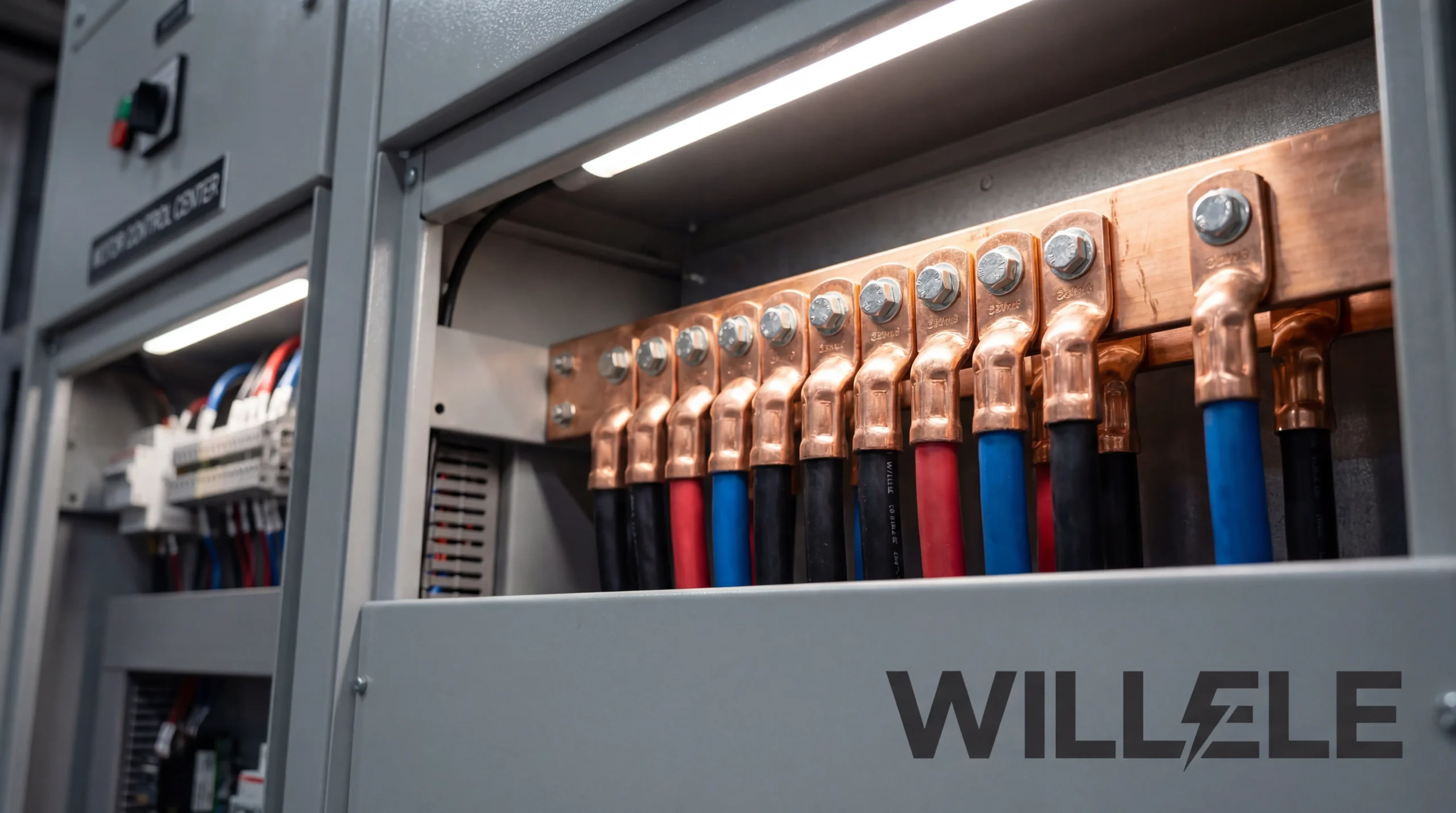
Cable lugs serve as critical connectors in industrial electrical systems, ensuring reliable power transmission and equipment safety across diverse applications.
As manufacturing facilities, power plants, and industrial complexes demand increasingly robust electrical infrastructure, understanding the strategic deployment of cable lugs becomes essential for engineers, maintenance professionals, and facility managers. This comprehensive guide explores twelve fundamental applications where cable lugs demonstrate their indispensable value in modern industrial environments.
Understanding Cable Lugs in Industrial Context
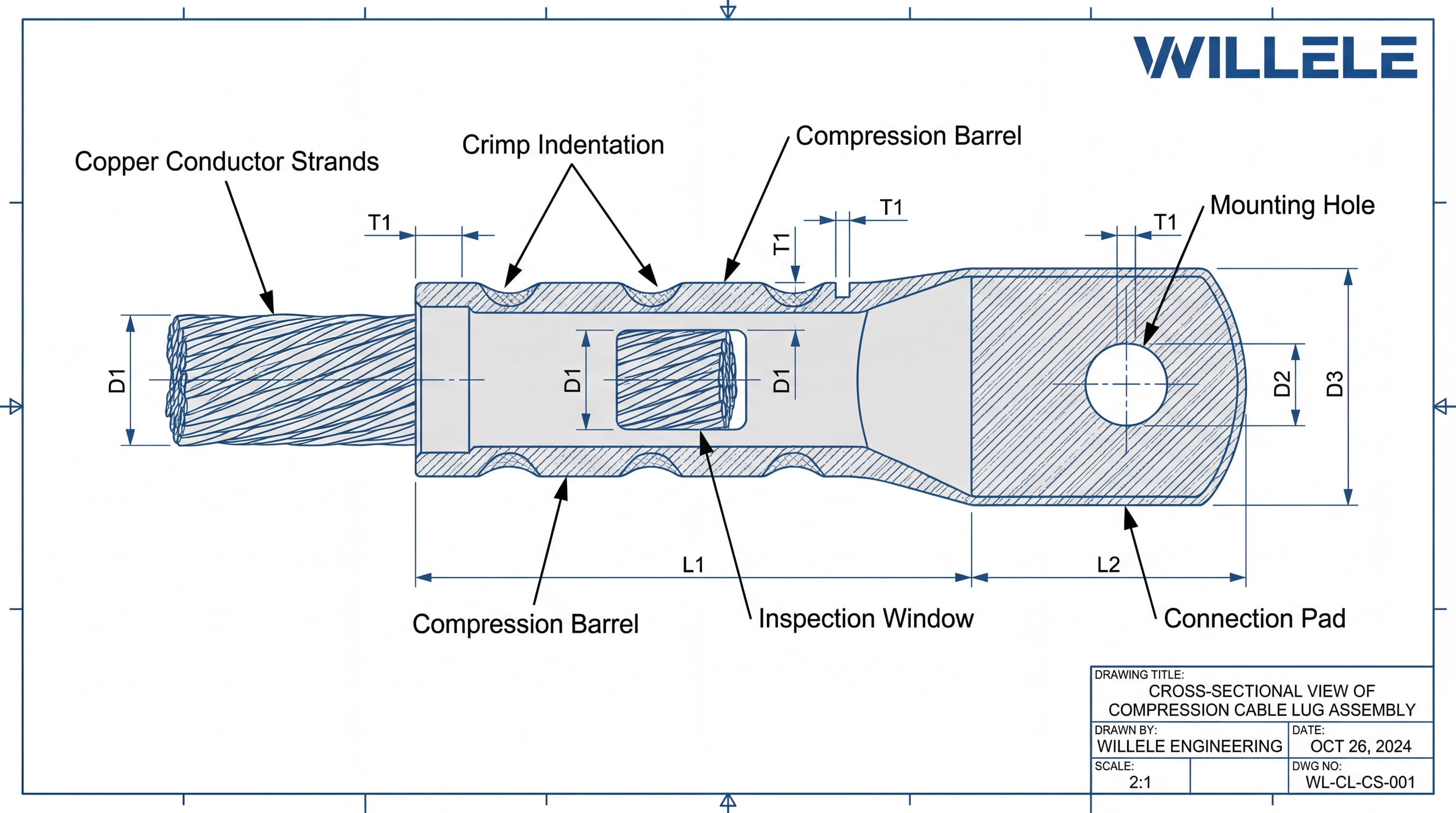
Cable lugs, also known as cable terminals or wire terminals, function as mechanical connectors that establish secure electrical connections between cables and equipment. These components compress onto conductor strands, creating low-resistance pathways that maintain electrical integrity under demanding industrial conditions. The quality of cable lug installations directly impacts system reliability, operational safety, and long-term maintenance costs.
Industrial electrical systems present unique challenges including high current loads, environmental extremes, mechanical vibration, and stringent safety requirements. Cable lugs address these challenges through engineered designs that accommodate various conductor sizes, connection methods, and environmental specifications. Proper selection and installation of cable lugs prevents common failure modes such as overheating, arcing, and connection degradation that can lead to costly downtime or safety hazards.
- Motor Control Centers and Variable Frequency Drives
Motor control centers (MCCs) represent one of the most critical applications for cable lugs in industrial facilities. These centralized control systems manage multiple motors simultaneously, requiring numerous high-current connections that must maintain reliability over decades of operation. Cable lugs facilitate secure connections between incoming power feeders, circuit breakers, contactors, and outgoing motor circuits.
Variable frequency drives (VFDs) introduce additional complexity through harmonic currents and rapid switching frequencies. Cable lugs in VFD applications must accommodate these electrical characteristics while maintaining low contact resistance to minimize heat generation. Copper compression lugs with tin plating typically provide optimal performance in these environments, offering excellent conductivity combined with corrosion resistance.
The connection points within MCCs experience frequent thermal cycling as motors start and stop throughout operational shifts. Quality cable lugs maintain mechanical integrity through these temperature variations, preventing the gradual loosening that can lead to high-resistance connections. Regular torque verification during maintenance intervals ensures these connections remain within manufacturer specifications, but properly installed cable lugs significantly extend the intervals between required inspections.
- Transformer Primary and Secondary Connections
Power transformers form the backbone of industrial electrical distribution, stepping voltage levels up or down to match equipment requirements. Both primary and secondary transformer connections demand cable lugs capable of handling substantial current while maintaining compact footprints within transformer enclosures. These connections must withstand the electromagnetic forces generated during fault conditions, which can exceed normal operating currents by factors of ten or more.
High-voltage transformer primaries often utilize cable lugs with extended barrels to accommodate larger conductor sizes and provide adequate creepage distances for voltage isolation. The lug design must prevent corona discharge at high voltages while maintaining mechanical strength under fault conditions. Secondary connections, though operating at lower voltages, frequently carry higher currents requiring proportionally larger cable lugs with enhanced current-carrying capacity.
Transformer connection reliability directly affects overall system availability. A single failed connection can disable an entire production line or facility section. Cable lugs specifically rated for transformer applications undergo rigorous testing to verify their performance under short-circuit conditions, temperature extremes, and long-term aging. The investment in premium cable lugs for transformer connections typically represents a fraction of the cost associated with transformer failure or unplanned downtime.
- Busbar and Switchgear Connections
Busbars distribute electrical power throughout industrial facilities with minimal voltage drop and maximum current capacity. Cable lugs create the transition points between flexible cables and rigid busbar systems, accommodating the different mechanical properties of these conductor types. These connections must maintain uniform contact pressure across the entire interface to prevent localized heating and eventual failure.
Switchgear applications present particularly demanding requirements for cable lugs. The confined spaces within switchgear enclosures necessitate compact lug designs that still provide adequate current capacity. Additionally, switchgear connections must withstand the mechanical stresses imposed by circuit breaker operation, including the electromagnetic forces generated during fault interruption. Cable lugs in these applications typically feature reinforced barrel designs and may incorporate special features such as inspection windows or temperature monitoring provisions.
Modern switchgear increasingly incorporates modular designs that facilitate easier maintenance and expansion. Cable lugs support this modularity by enabling reliable disconnection and reconnection of power circuits without degrading connection quality. The ability to remove and reinstall cables using properly designed lugs reduces maintenance time and minimizes the risk of connection damage during service activities.
- Generator and Emergency Power Systems
Standby generators and emergency power systems represent critical infrastructure that must perform reliably during utility power failures. Cable lugs in these systems face unique challenges including extended periods of inactivity punctuated by sudden full-load operation. The connections must maintain their integrity despite oxidation, thermal cycling, and mechanical vibration inherent in generator operation.
Generator output connections typically handle the full rated current of the machine, often ranging from hundreds to thousands of amperes. Cable lugs for these applications require substantial current capacity with minimal voltage drop to ensure efficient power transfer. The connection design must also accommodate the mechanical vibration transmitted through the generator mounting structure, necessitating secure mechanical attachment that prevents loosening over time.
Transfer switch connections within emergency power systems demand equal attention to cable lug selection. These switches must reliably transfer loads between utility and generator power sources, with connection points experiencing the full load current during each transfer operation. High-quality cable lugs ensure these critical connections maintain low resistance and mechanical stability through thousands of transfer cycles over the system’s operational lifetime.
- Battery Banks and DC Power Systems
Industrial battery banks provide backup power for critical control systems, emergency lighting, and uninterruptible power supplies. DC power systems present distinct challenges for cable lugs compared to AC applications, primarily due to the absence of the self-cleaning action that AC current provides at connection interfaces. DC connections gradually develop oxide layers that increase contact resistance if not properly designed and maintained.
Battery terminal connections must accommodate the high surge currents associated with battery discharge while also handling the controlled charging currents during normal operation. Cable lugs for battery applications typically feature larger contact areas to distribute current density and minimize heating. Many battery installations utilize lugs with dual-hole configurations, allowing both primary and redundant connections to enhance reliability.
The corrosive environment surrounding battery installations, particularly in flooded lead-acid systems, demands cable lugs with superior corrosion resistance. Tin-plated copper lugs provide excellent protection against the acidic atmosphere while maintaining good electrical conductivity. Regular inspection and cleaning of battery connections remains essential, but quality cable lugs significantly extend the intervals between required maintenance and reduce the likelihood of connection failure.
- Welding Equipment and High-Current Applications
Industrial welding operations demand cable connections capable of sustained high-current operation, often exceeding 500 amperes for extended periods. Welding cable lugs must accommodate the flexible, highly-stranded conductors used in welding applications while providing secure mechanical attachment to welding machines and ground connections. The repeated flexing of welding cables imposes mechanical stresses on lug connections that can lead to strand breakage if not properly managed.
The duty cycle of welding operations creates significant thermal stress on cable connections. During active welding, connections may reach elevated temperatures, then cool during idle periods. This thermal cycling can gradually degrade connection quality through oxidation and mechanical relaxation. Cable lugs designed for welding applications incorporate features such as extended barrels and compression designs that maintain contact pressure through thermal variations.
Ground connections in welding systems require particular attention, as inadequate grounding can compromise weld quality and create safety hazards. Cable lugs for welding ground connections must provide low-resistance paths capable of carrying fault currents without degradation. Many welding installations utilize multiple ground points to ensure reliable current return paths, with each connection requiring properly sized and installed cable lugs.
- Renewable Energy Systems and Solar Installations
The rapid expansion of industrial solar installations has created new applications for cable lugs in photovoltaic (PV) systems. Solar arrays generate DC power that must be collected from numerous panels, combined, and transmitted to inverters for AC conversion. Cable lugs facilitate these connections at combiner boxes, inverter inputs, and DC disconnect switches, operating in outdoor environments with extreme temperature variations and UV exposure.
Solar cable lugs must withstand decades of outdoor exposure while maintaining electrical integrity. The connections experience daily thermal cycling as solar radiation heats the system during daylight hours, then cools overnight. This cycling can gradually degrade inferior connections, increasing resistance and creating potential fire hazards. Quality cable lugs specifically rated for solar applications incorporate materials and designs that resist UV degradation and maintain mechanical stability through temperature extremes.
Wind turbine installations present additional challenges for cable lugs, including mechanical vibration, moisture exposure, and difficult access for maintenance. Turbine connections must remain reliable despite these harsh conditions, as maintenance activities require specialized equipment and favorable weather conditions. Cable lugs in wind applications typically feature enhanced sealing and corrosion protection to maximize connection reliability and minimize maintenance requirements.
- Industrial Heating and Furnace Systems
Electric furnaces, induction heaters, and industrial ovens represent some of the highest power-density applications in manufacturing facilities. These systems demand cable connections capable of continuous high-current operation at elevated ambient temperatures. Cable lugs in heating applications must maintain their mechanical and electrical properties despite prolonged exposure to temperatures that may exceed 100°C in the vicinity of heating equipment.
Induction heating systems generate powerful electromagnetic fields that can induce currents in nearby conductors and connections. Cable lugs for these applications must be positioned and oriented to minimize induced heating while maintaining compact installations. The high-frequency currents associated with induction heating also require attention to skin effect, which concentrates current at conductor surfaces and can increase connection resistance if not properly addressed.
Furnace installations often operate continuously for extended periods, creating sustained thermal stress on electrical connections. The reliability of cable lug connections directly impacts production capacity, as furnace shutdowns for electrical maintenance result in lost production and energy waste during restart cycles. Premium cable lugs designed for high-temperature applications provide the reliability necessary to minimize these disruptions and maintain consistent production output.
- Crane and Material Handling Systems
Overhead cranes, hoists, and automated material handling equipment require flexible power delivery systems that accommodate equipment movement while maintaining reliable electrical connections. Cable lugs connect festoon cables, cable reels, and conductor bars to crane drive systems, creating connections that must withstand continuous mechanical stress, vibration, and environmental exposure.
The dynamic nature of crane operations subjects cable connections to repeated flexing and vibration that can gradually fatigue connection points. Cable lugs for crane applications must secure conductors without creating stress concentrations that could initiate strand breakage. Many crane installations utilize lugs with strain relief features that distribute mechanical loads over larger areas, extending cable life and reducing maintenance requirements.
Safety considerations in crane applications demand exceptional connection reliability, as electrical failures can create hazards for personnel and equipment. Cable lugs must maintain their integrity despite the harsh environments typical of industrial facilities, including dust, moisture, and temperature extremes. Regular inspection of crane electrical connections forms part of comprehensive safety programs, but quality cable lugs reduce the frequency of connection-related issues and enhance overall system safety.
- Pump Stations and Water Treatment Facilities
Municipal and industrial pump stations rely on electric motors to move water, wastewater, and process fluids. These installations often operate in high-humidity environments with potential exposure to corrosive atmospheres. Cable lugs in pump applications must resist corrosion while maintaining reliable connections for motors that may operate continuously or cycle frequently based on demand.
Submersible pump installations present extreme challenges for electrical connections, as cable terminations may be located in sealed enclosures near or below water level. While the cable lugs themselves typically remain above water, the humid environment accelerates corrosion if connections lack adequate protection. Tin-plated or nickel-plated cable lugs provide enhanced corrosion resistance in these demanding applications.
Variable speed pump systems increasingly utilize VFDs to optimize energy consumption and match pump output to system demand. The cable lug connections in these systems must accommodate the harmonic currents and high-frequency switching associated with VFD operation. Proper connection design minimizes electromagnetic interference while maintaining low resistance to prevent excessive heating at connection points.
- Mining and Heavy Industry Applications
Mining operations and heavy industrial facilities subject electrical systems to extreme mechanical stress, abrasive dust, moisture, and corrosive atmospheres. Cable lugs in these environments must provide exceptional durability while maintaining electrical performance despite harsh conditions. The remote locations of many mining operations make connection reliability particularly critical, as maintenance resources may be limited and equipment downtime directly impacts production.
Mobile mining equipment such as draglines, shovels, and haul trucks requires flexible power cables with robust terminations capable of withstanding constant movement and vibration. Cable lugs for mobile equipment must secure conductors without creating rigid connection points that could concentrate mechanical stress. Many mining applications utilize lugs with flexible transition designs that accommodate cable movement while maintaining electrical integrity.
Underground mining presents additional challenges including confined spaces, explosive atmospheres, and limited ventilation. Cable lugs for underground applications must meet stringent safety standards and may require special certifications for use in hazardous locations. The connections must remain reliable despite the accumulation of coal dust or mineral particles that could compromise electrical integrity if not properly sealed and protected.
- Data Center and Critical Infrastructure Power Distribution
Modern data centers represent highly concentrated electrical loads requiring exceptional power reliability. Cable lugs facilitate connections throughout data center power distribution systems, from utility service entrances through UPS systems, power distribution units, and ultimately to server racks. The mission-critical nature of data center operations demands connection reliability that exceeds typical industrial standards.
Data center electrical systems often incorporate redundant power paths to eliminate single points of failure. Cable lugs must support this redundancy through reliable connections that can be maintained or modified without disrupting active power circuits. The compact nature of data center electrical infrastructure requires cable lugs with minimal footprints that still provide adequate current capacity and heat dissipation.
Power quality considerations in data centers demand cable connections with minimal impedance and voltage drop. Even small voltage variations can affect sensitive electronic equipment, making low-resistance cable lug connections essential. Many data center installations utilize monitoring systems that track connection temperatures and can alert maintenance personnel to developing issues before they impact operations. Quality cable lugs minimize false alarms and reduce maintenance burden while ensuring the reliability that data center operations demand.
Comparison of Cable Lug Types for Industrial Applications
| Lug Type | Current Capacity | Best Applications | Advantages | Limitations |
|---|---|---|---|---|
| Compression (Copper) | Up to 1000A+ | Transformers, switchgear, MCCs | Excellent conductivity, reliable connection | Requires specialized crimping tools |
| Mechanical Set-Screw | Up to 600A | General industrial, temporary connections | Easy installation, reusable | Higher resistance than compression |
| Bolted (Copper) | Up to 2000A+ | Busbars, large transformers | Highest current capacity, field-adjustable | Larger footprint, requires torque verification |
| Tin-Plated Copper | Up to 1000A+ | Battery systems, corrosive environments | Superior corrosion resistance | Slightly higher cost |
| Aluminum | Up to 800A | Long cable runs, weight-sensitive applications | Lightweight, cost-effective | Requires anti-oxidant compound |
Cable Lug Selection Criteria
| Factor | Considerations | Impact on Performance |
|---|---|---|
| Current Rating | Must exceed maximum load by 25% minimum | Undersized lugs overheat and fail prematurely |
| Conductor Size | Exact match to cable gauge required | Improper fit creates high resistance |
| Material Compatibility | Copper-to-copper or aluminum-to-aluminum preferred | Dissimilar metals accelerate corrosion |
| Environmental Rating | IP rating, temperature range, corrosion resistance | Determines service life in specific conditions |
| Installation Method | Compression, mechanical, or bolted | Affects installation time and reliability |
| Certification Requirements | UL, CSA, IEC standards compliance | Ensures safety and insurance compliance |
Best Practices for Cable Lug Installation and Maintenance
Proper installation techniques determine cable lug performance throughout their service life. Conductor preparation begins with careful cable stripping to expose the required length without damaging individual strands. Any nicked or broken strands should be trimmed to prevent stress concentrations that could initiate connection failure. The exposed conductor must be cleaned to remove oxidation, drawing compounds, or contaminants that could increase contact resistance.
Compression-type cable lugs require calibrated crimping tools that apply uniform pressure around the conductor circumference. Under-crimping creates loose connections with high resistance, while over-crimping can damage conductor strands and reduce current capacity. Many industrial facilities maintain torque and crimp verification procedures to ensure consistent installation quality across all electrical work.
Connection torque specifications provided by manufacturers must be followed precisely using calibrated torque wrenches. Insufficient torque allows connections to loosen over time, while excessive torque can strip threads or deform connection surfaces. Initial torque verification should occur immediately after installation, with follow-up verification after the first few days of operation to account for initial settling of connection components.
Periodic inspection and maintenance of cable lug connections should form part of comprehensive electrical maintenance programs. Thermal imaging surveys can identify developing connection issues before they cause failures, allowing proactive maintenance that prevents costly downtime. Visual inspections should check for signs of overheating, corrosion, mechanical damage, or loose hardware that could compromise connection integrity.
The Role of Quality Cable Lugs in System Reliability
The quality of cable lugs directly impacts overall electrical system reliability and safety. Premium cable lugs manufactured to rigorous standards provide consistent performance across thousands of installations and decades of service. These components undergo extensive testing to verify their electrical, mechanical, and thermal characteristics under conditions that simulate or exceed actual operating environments.
Cost considerations sometimes tempt facility managers to specify lower-grade cable lugs, but this approach rarely proves economical over system lifecycles. The incremental cost difference between premium and economy cable lugs represents a tiny fraction of the total installation cost when labor, downtime risk, and long-term reliability are considered. A single connection failure can generate costs hundreds or thousands of times greater than the price difference between component grades.
Industrial electrical systems increasingly incorporate monitoring and predictive maintenance technologies that can identify connection issues before they cause failures. However, these technologies work most effectively when applied to quality components that degrade predictably rather than failing suddenly. Premium cable lugs provide the consistent baseline performance necessary for effective condition monitoring programs.
Future Trends in Industrial Cable Lug Technology
Emerging technologies continue to advance cable lug design and performance. Smart cable lugs incorporating temperature sensors and wireless communication capabilities enable real-time monitoring of connection conditions. These intelligent components can alert maintenance personnel to developing issues such as increasing resistance or elevated temperatures, allowing intervention before failures occur.
Material science advances have produced cable lug alloys with enhanced conductivity, corrosion resistance, and mechanical properties. New plating technologies extend service life in corrosive environments while maintaining excellent electrical characteristics. These innovations particularly benefit applications in harsh environments such as offshore platforms, chemical processing facilities, and mining operations.
Modular electrical distribution systems increasingly utilize quick-connect cable terminations that simplify installation and maintenance while maintaining connection reliability. These systems incorporate cable lugs designed for repeated connection and disconnection without performance degradation. The ability to reconfigure electrical systems rapidly supports flexible manufacturing approaches and reduces downtime during facility modifications.
Frequently Asked Questions
What is the difference between cable lugs and wire connectors?
Cable lugs are heavy-duty terminals designed for industrial applications with high current capacity, typically handling conductors from 6 AWG to 1000 kcmil and currents from 50 to over 2000 amperes. Wire connectors generally refer to lighter-duty devices for building wiring and lower current applications. Cable lugs provide superior mechanical strength, current capacity, and long-term reliability required in industrial environments.
How often should cable lug connections be inspected?
Initial inspection should occur within 48 hours of installation to verify proper torque after thermal cycling. Subsequent inspections depend on application criticality and operating conditions, but annual thermal imaging surveys combined with visual inspections during scheduled maintenance shutdowns provide adequate monitoring for most industrial applications. Critical systems may warrant quarterly or semi-annual inspections.
Can aluminum cable lugs be used with copper conductors?
Directly connecting aluminum lugs to copper conductors creates galvanic corrosion that rapidly degrades the connection. If aluminum-to-copper connections are unavoidable, use bi-metallic lugs specifically designed for this purpose, or apply anti-oxidant compound and ensure proper environmental sealing. However, copper lugs with copper conductors provide superior long-term reliability.
What causes cable lug connections to fail?
Common failure modes include improper installation (incorrect torque, damaged strands, contaminated surfaces), undersized lugs for the application current, dissimilar metal corrosion, mechanical vibration loosening connections, and environmental degradation. Proper selection, installation, and maintenance prevent the vast majority of cable lug failures.
Are compression or mechanical cable lugs better for industrial applications?
Compression cable lugs generally provide superior electrical and mechanical performance for permanent installations, offering lower resistance and better long-term reliability. Mechanical lugs serve well for temporary connections or applications requiring frequent disconnection. Critical applications such as transformers, switchgear, and main distribution should utilize compression lugs for maximum reliability.
About Willele Electrical: As a leading B2B electrical equipment manufacturer specializing in heat shrink tubing and cable management solutions, Willele provides comprehensive products for industrial electrical installations. Our commitment to quality ensures reliable performance in the most demanding applications.
