
Data Center Cable Management: Flame-Retardant Heat-Shrink Solutions

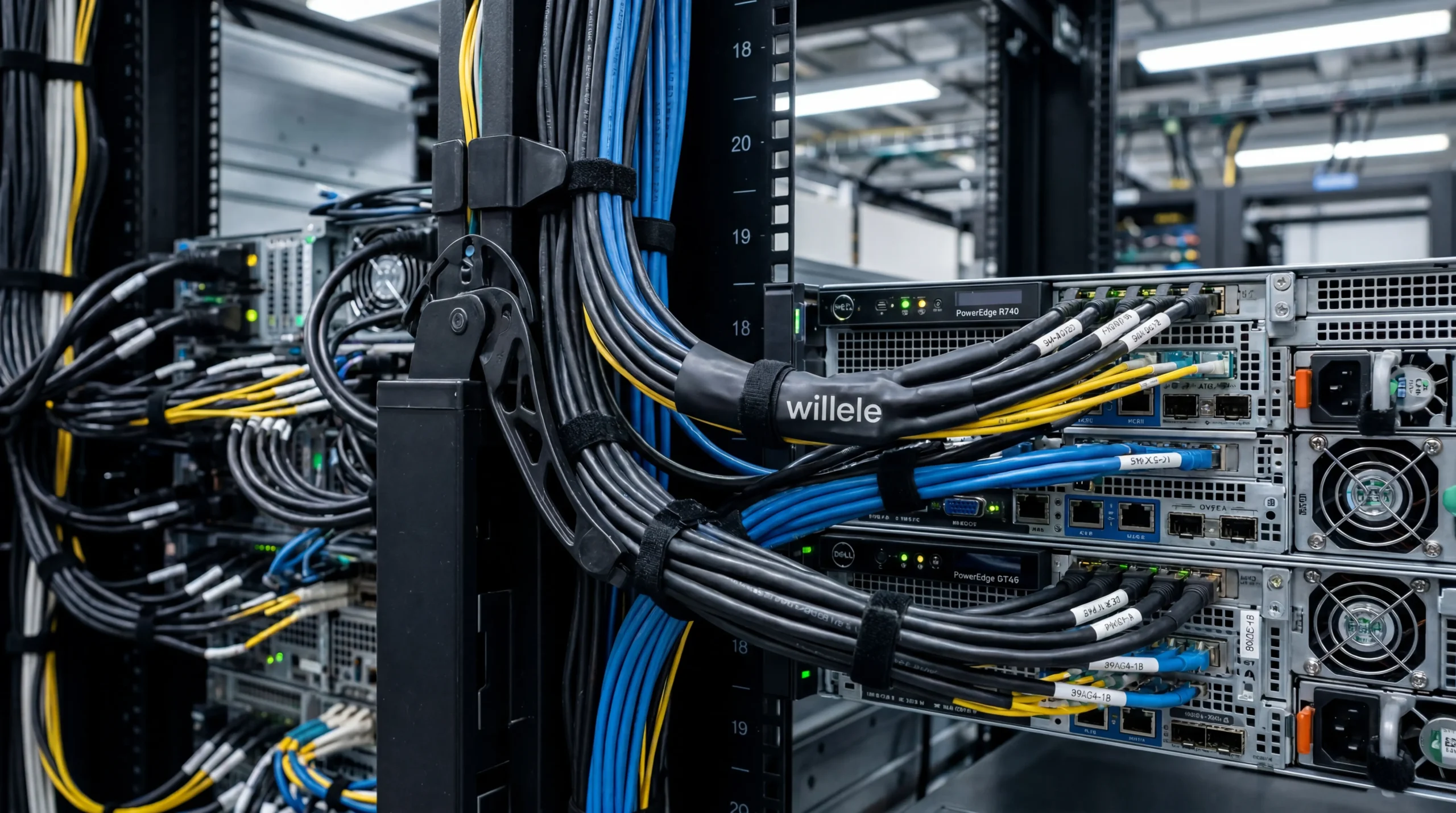
In the rapidly evolving landscape of data center infrastructure, effective cable management has emerged as a critical factor determining operational efficiency, safety, and long-term reliability. As data centers continue to expand in both size and complexity, the demand for robust protective solutions has never been more pressing. Among the most essential components in modern cable management systems are flame-retardant heat-shrink solutions, which provide superior protection while meeting stringent safety standards.
Understanding Flame-Retardant Heat-Shrink Technology
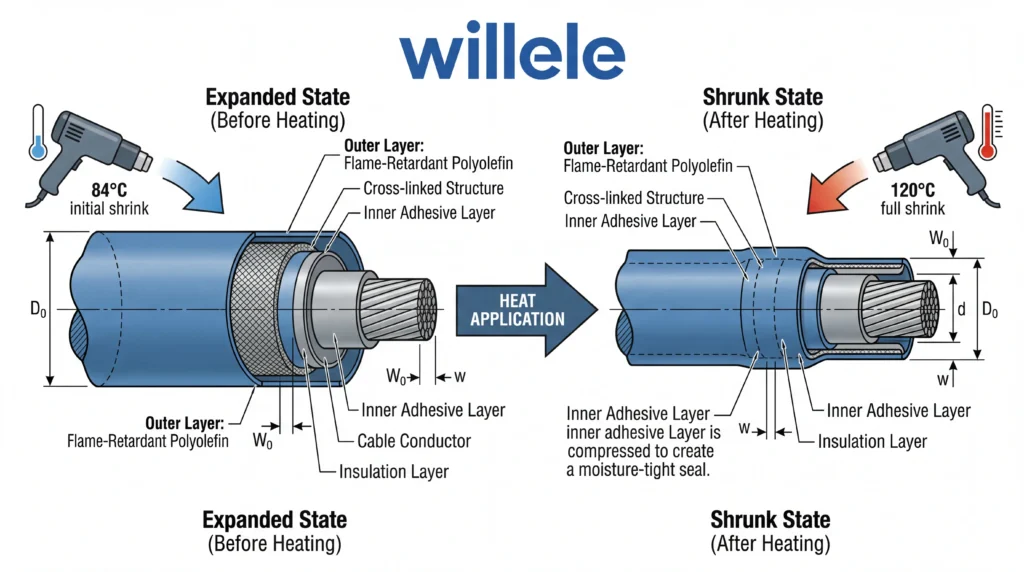
Flame-retardant heat-shrink tubing represents a sophisticated advancement in cable protection technology. These specialized tubes are manufactured from cross-linked polyolefin materials that have been engineered to shrink when exposed to heat, conforming tightly to the cables they protect. What distinguishes flame-retardant variants from standard heat-shrink tubing is the incorporation of specialized flame-retardant additives during the manufacturing process, enabling the material to resist ignition and self-extinguish when removed from a flame source.
The technology operates on a straightforward yet effective principle. When heat is applied—typically using a heat gun or specialized oven—the molecular structure of the tubing contracts, reducing its diameter by approximately 50% in standard 2:1 shrink ratio products, or up to 67% in 3:1 ratio variants. This shrinkage creates a tight, protective seal around cables, connectors, and terminations, providing mechanical protection, electrical insulation, and environmental sealing in a single application.
The flame-retardant properties are quantified through rigorous testing standards. Most quality flame-retardant heat-shrink tubing achieves a VW-1 flame rating, which requires the material to self-extinguish within 60 seconds of flame removal. Additionally, these materials typically maintain an oxygen index of 28 or higher, indicating that they require at least 28% oxygen concentration in the atmosphere to sustain combustion—significantly higher than the 21% found in normal air. This characteristic makes flame-retardant heat-shrink tubing inherently resistant to fire propagation in typical data center environments.
Critical Importance in Data Center Environments
Data centers operate under uniquely demanding conditions that make flame-retardant heat-shrink solutions not merely beneficial but essential. The concentration of high-value equipment, the density of cabling infrastructure, and the continuous operation requirements create an environment where cable failures can have catastrophic consequences.
Modern data centers house thousands of cables carrying both data signals and electrical power, often in close proximity. In high-density rack configurations where individual racks may dissipate 10-20 kW of heat, maintaining proper airflow becomes paramount to preventing equipment failures. Poorly managed cables can obstruct cooling airflow, creating hot spots that accelerate equipment degradation and increase fire risk. Studies have demonstrated that implementing proper cable management, including the use of protective heat-shrink solutions, can reduce cooling costs by 20-30% by eliminating airflow obstructions.
The safety implications extend beyond thermal management. In the event of an electrical fault or overheating condition, flame-retardant heat-shrink tubing serves as a critical fire barrier. Unlike standard cable insulation that may melt and propagate flames, flame-retardant materials actively resist combustion and prevent fire spread along cable runs. This characteristic is particularly crucial in data centers where cables often traverse long distances through plenum spaces, raised floors, and overhead cable trays—all areas where fire propagation could rapidly compromise entire facility sections.
Furthermore, the identification and organization benefits provided by heat-shrink tubing contribute significantly to operational safety. When cables are properly protected and labeled using heat-shrink markers, technicians can quickly identify circuits during maintenance or emergency situations. This capability proves invaluable when investigating overheating incidents or responding to equipment failures, where rapid identification of affected circuits can prevent minor issues from escalating into major outages.
Technical Specifications and Standards Compliance
Understanding the technical parameters of flame-retardant heat-shrink tubing is essential for selecting appropriate solutions for data center applications. The performance characteristics of these materials are defined by several key specifications that directly impact their suitability for different installation scenarios.
Key Technical Parameters
| Parameter | Specification | Significance |
|---|---|---|
| Shrink Ratio | 2:1, 3:1, or 4:1 | Determines flexibility in cable sizing; 3:1 offers best versatility |
| Operating Temperature | -55°C to +125°C | Ensures performance across typical data center conditions |
| Flame Rating | VW-1 (UL 224) | Self-extinguishes within 60 seconds; critical for safety compliance |
| Voltage Rating | 600V to 1000V | Adequate for most data center power and data applications |
| Shrink Temperature | Initial: ≥84°C, Full: ≥120°C | Defines installation parameters and heat gun settings |
| Wall Thickness | Thin (0.2-0.5mm), Medium (0.5-1.0mm), Heavy (>1.0mm) | Impacts mechanical protection and flexibility |
| Oxygen Index | ≥28 | Higher values indicate superior flame resistance |
The shrink ratio represents one of the most practical considerations during installation. A 2:1 shrink ratio means the tubing can shrink to half its supplied diameter, while 3:1 tubing can shrink to one-third. For data center applications, 3:1 ratios offer significant advantages by accommodating a wider range of cable diameters with fewer inventory SKUs. This versatility proves particularly valuable when protecting cable bundles of varying sizes or when exact cable dimensions are uncertain during the planning phase.
Temperature ratings deserve careful attention in data center specifications. While the operating temperature range of -55°C to +125°C exceeds typical data center ambient conditions, these ratings ensure the tubing maintains its protective properties even in localized hot spots near high-power equipment. The shrink temperature specifications guide installation procedures—tubing must be heated to at least 84°C to initiate shrinking, with full shrinkage and optimal adhesion achieved at 120°C or higher.
Industry Standards and Certifications
Compliance with recognized industry standards provides assurance of quality and performance. The primary standards governing flame-retardant heat-shrink tubing include:
UL 224 / CSA C22.2 No. 198.1: This unified standard, established in 2001, covers heat-shrinkable and non-heat-shrinkable electrical insulating tubing. It defines dimensional tolerances, physical properties, electrical characteristics, and flame resistance requirements. Products certified to UL 224 have undergone rigorous testing for voltage withstand, dielectric strength, and flame propagation resistance.
MIL-DTL-23053: This military specification defines requirements for heat-shrinkable tubing used in aerospace and defense applications. While not mandatory for commercial data centers, products meeting MIL-DTL-23053 standards offer enhanced performance characteristics including superior chemical resistance, wider temperature ranges, and more stringent quality control. Class 1 materials under this specification are flame-resistant with wide operating temperature ranges, while Class 3 materials provide highly flame-resistant properties suitable for the most demanding applications.
RoHS Compliance: Modern flame-retardant heat-shrink products must comply with the Restriction of Hazardous Substances directive, ensuring they contain no lead, mercury, cadmium, or other restricted materials. This compliance is particularly important for data centers with environmental sustainability commitments and those operating in jurisdictions with strict environmental regulations.
Material Types and Selection Criteria
The selection of appropriate flame-retardant heat-shrink materials depends on specific application requirements, environmental conditions, and performance expectations. Different base materials offer distinct advantages for various data center scenarios.
Cross-Linked Polyolefin: This represents the most common material for general-purpose data center applications. Cross-linked polyolefin tubing offers an excellent balance of flexibility, flame resistance, and cost-effectiveness. The cross-linking process creates molecular bonds that enhance the material’s memory properties, allowing it to shrink uniformly when heated. These materials typically achieve VW-1 flame ratings and operate effectively across the -55°C to +125°C temperature range. The matte surface finish of flame-retardant polyolefin tubing provides a visual indicator of its flame-resistant properties, distinguishing it from non-flame-retardant clear variants.
PVDF (Polyvinylidene Fluoride): For applications requiring superior chemical resistance and higher temperature performance, PVDF heat-shrink tubing offers exceptional capabilities. This fluoropolymer material maintains its properties at temperatures up to 175°C and resists degradation from exposure to harsh chemicals, solvents, and fuels. PVDF tubing is particularly valuable for protecting cables in data center areas where cleaning chemicals or other solvents may be present, or in proximity to equipment that generates elevated temperatures.
Fluoroelastomer (Viton): In the most demanding environments, fluoroelastomer heat-shrink tubing provides unmatched resistance to fluids, solvents, and extreme temperatures. While significantly more expensive than polyolefin alternatives, Viton tubing justifies its cost in specialized applications where exposure to hydraulic fluids, oils, or aggressive chemicals is anticipated. Its flame-retardant properties combined with exceptional environmental resistance make it suitable for protecting critical circuits in data centers with adjacent industrial processes.
Adhesive-Lined Variants: For applications requiring environmental sealing in addition to electrical insulation and flame protection, adhesive-lined heat-shrink tubing offers significant advantages. These dual-wall products feature an inner layer of thermoplastic adhesive that melts during the shrinking process, creating a moisture-proof seal around the protected cable. Available in both 2:1 and 3:1 shrink ratios, adhesive-lined tubing is particularly valuable for outdoor cable entries, underground transitions, or any location where moisture ingress could compromise cable performance. The adhesive layer also enhances mechanical strain relief at cable terminations.
Installation Best Practices for Data Centers
Proper installation of flame-retardant heat-shrink tubing is crucial to achieving optimal protection and performance. Data center environments present unique challenges that require careful attention to installation procedures and techniques.
Pre-Installation Planning
Successful heat-shrink installation begins long before heat is applied. During the cable planning phase, specify tubing with appropriate shrink ratios and diameters to accommodate the cables being protected. For cable bundles, measure the maximum bundle diameter and select tubing that will shrink to provide a snug fit without excessive compression. Creating a detailed cable schedule that includes tubing specifications ensures installation teams have correct materials readily available, minimizing delays and reducing errors.
Label placement strategy should be determined during planning. Heat-shrink labels and markers provide durable identification that resists abrasion and environmental degradation far better than adhesive labels. Plan label locations at both ends of cable runs and at intermediate access points, ensuring labels remain visible after installation is complete.
Installation Procedures
Clean cable surfaces thoroughly before applying heat-shrink tubing. Dust, oils, and contaminants prevent proper adhesion and can create voids that compromise protection. For adhesive-lined tubing, surface preparation is particularly critical—even minor contamination can prevent the adhesive from forming an effective seal.
When cutting tubing to length, allow sufficient overlap beyond the area being protected. For splice protection, extend tubing at least 25-50mm beyond the splice on each side. For connector protection, ensure tubing extends onto both the cable jacket and connector body to provide continuous protection without gaps.
Apply heat evenly using appropriate equipment. Heat guns remain the most common installation tool, but for large-scale data center installations, convection ovens or infrared heaters offer advantages in speed and consistency. When using heat guns, maintain constant motion to prevent localized overheating, which can damage both the tubing and underlying cables. Begin heating at the center of the tubing and work toward the ends, allowing trapped air to escape and preventing bubble formation.
For adhesive-lined tubing, continue heating until adhesive melts and flows, visible as a bead of adhesive emerging from the tubing ends. This visual confirmation ensures complete sealing. Allow tubing to cool naturally before handling—forced cooling can create internal stresses that compromise long-term performance.
Quality Verification
After installation, inspect all heat-shrink applications for proper shrinkage, uniform appearance, and absence of defects. Properly shrunk tubing should conform smoothly to the cable contour without wrinkles, bubbles, or gaps. For critical circuits, document installations with photographs that can be referenced during future maintenance activities.
Conduct periodic inspections of installed heat-shrink protection, particularly in high-temperature zones or areas subject to mechanical stress. While quality flame-retardant heat-shrink tubing provides long-term protection, early detection of degradation allows proactive replacement before protection is compromised.
Comparative Analysis: Flame-Retardant vs. Standard Solutions
Understanding the performance differences between flame-retardant and standard cable protection solutions helps justify the investment in superior materials for data center applications.
| Feature | Flame-Retardant Heat-Shrink | Standard Heat-Shrink | Adhesive Labels | Cable Ties Only |
|---|---|---|---|---|
| Fire Resistance | Self-extinguishing (VW-1) | May propagate flames | Highly flammable | Varies by material |
| Durability | 10+ years typical lifespan | 5-10 years | 1-3 years before fading | 5+ years |
| Abrasion Protection | Excellent | Excellent | Poor | None |
| Moisture Sealing | Good (excellent with adhesive liner) | Good | None | None |
| Installation Time | Moderate (requires heating) | Moderate | Fast | Fast |
| Identification Longevity | Permanent when printed | Permanent when printed | Degrades over time | Requires separate labels |
| Cost per Meter | Medium-High | Low-Medium | Very Low | Very Low |
| Regulatory Compliance | UL, CSA, RoHS certified | May lack certifications | Typically uncertified | Typically uncertified |
| Temperature Range | -55°C to +125°C | -30°C to +105°C | Limited | Varies widely |
The initial cost premium for flame-retardant heat-shrink solutions is offset by superior longevity, enhanced safety, and reduced maintenance requirements. In data center environments where cable replacement costs include not only materials but also labor, downtime, and potential service disruptions, the total cost of ownership strongly favors flame-retardant heat-shrink solutions over cheaper alternatives.
Integration with Comprehensive Cable Management Systems
Flame-retardant heat-shrink tubing functions most effectively as part of a comprehensive cable management strategy. Modern data centers employ multiple complementary systems to achieve optimal cable organization, protection, and accessibility.
Cable trays and runways provide the structural foundation for organized cable routing. Installing these systems overhead or beneath raised floors keeps cables organized and accessible while facilitating proper airflow. When combined with flame-retardant heat-shrink protection at terminations and splice points, cable tray systems create a robust infrastructure that supports both current operations and future expansion.
Horizontal and vertical cable managers attached to rack structures guide cables between equipment and distribution points. These managers reduce cable stress and prevent the tangled masses that obstruct airflow and complicate troubleshooting. Protecting cables with flame-retardant heat-shrink at connection points ensures that even if cables are accidentally pulled during maintenance, the protected terminations remain intact.
Color-coding systems integrated with heat-shrink protection enable rapid circuit identification. By using colored flame-retardant tubing or heat-shrink labels, technicians can instantly distinguish between power circuits, data connections, and different network segments. This visual organization reduces troubleshooting time and minimizes the risk of accidentally disconnecting critical circuits during maintenance activities.
Environmental and Sustainability Considerations
As data centers increasingly prioritize environmental sustainability, the selection of cable management materials carries implications beyond immediate functional requirements. Modern flame-retardant heat-shrink solutions address environmental concerns through several mechanisms.
RoHS compliance ensures that flame-retardant additives and base materials contain no restricted hazardous substances. This compliance prevents the introduction of lead, mercury, cadmium, and other toxic materials into the data center environment, protecting both personnel and facilitating eventual recycling at end-of-life.
The extended lifespan of quality flame-retardant heat-shrink tubing—often exceeding 10 years—reduces the frequency of replacement and the associated material consumption. Unlike adhesive labels that require periodic replacement as they fade or peel, properly installed heat-shrink protection remains functional throughout the cable’s service life, minimizing waste generation.
Energy efficiency benefits arise indirectly through improved cable organization and airflow management. By maintaining organized cable routing that doesn’t obstruct cooling airflow, flame-retardant heat-shrink solutions contribute to reduced cooling energy consumption. Given that cooling typically accounts for 30-40% of data center energy usage, even modest improvements in airflow efficiency translate to significant energy savings over time.
Future Trends and Emerging Technologies
The evolution of data center infrastructure continues to drive innovation in cable protection solutions. Several emerging trends are shaping the future of flame-retardant heat-shrink technology.
Higher voltage and current requirements associated with next-generation equipment are driving development of heat-shrink materials with enhanced electrical properties. As data centers deploy 400V DC power distribution and higher-power computing equipment, cable protection solutions must provide reliable insulation at elevated voltages while maintaining flame-retardant characteristics.
Smart building integration is beginning to influence cable management practices. Future heat-shrink solutions may incorporate embedded sensors or RFID tags that enable automated cable inventory management and condition monitoring. These intelligent protection systems could alert facility managers to degradation before failures occur, enabling predictive maintenance strategies.
Enhanced environmental resistance addresses the expansion of data centers into diverse geographic locations. Flame-retardant heat-shrink materials with improved UV resistance support outdoor cable installations and edge computing facilities where environmental exposure exceeds traditional data center conditions.
Frequently Asked Questions
Q: What is the difference between flame-retardant and fire-proof heat-shrink tubing?
A: Flame-retardant heat-shrink tubing is not fireproof—it will burn when exposed to direct flame. However, it self-extinguishes within 30-60 seconds after the flame source is removed, preventing fire propagation. This characteristic makes it highly effective at containing localized faults and preventing cable fires from spreading throughout a facility.
Q: Can flame-retardant heat-shrink tubing be used on both power and data cables?
A: Yes, flame-retardant heat-shrink tubing is suitable for both applications. Ensure the tubing’s voltage rating meets or exceeds the circuit voltage. For data cables, verify that the tubing’s dielectric properties won’t adversely affect signal integrity, particularly for high-frequency applications. Most quality polyolefin heat-shrink tubing is suitable for both power circuits up to 600V and data cabling.
Q: How do I select the correct size heat-shrink tubing?
A: Measure the maximum diameter of the cable or connector to be covered. Select tubing with a recovered (shrunk) inner diameter slightly smaller than this measurement and a supplied (expanded) inner diameter large enough to slide over the cable or connector. For 2:1 shrink ratio tubing, the supplied diameter should be at least twice the recovered diameter. Always verify dimensions before large-scale purchases.
Q: What temperature should I use when installing heat-shrink tubing?
A: Most flame-retardant polyolefin heat-shrink tubing requires temperatures of 120-150°C for complete shrinkage. Heat guns should be set to medium heat settings, typically 300-400°C air temperature, and kept in constant motion to prevent overheating. For adhesive-lined tubing, continue heating until adhesive flows from the ends, indicating complete activation.
Q: How long does flame-retardant heat-shrink tubing last in data center environments?
A: Quality flame-retardant heat-shrink tubing typically provides 10-15 years of service in controlled data center environments. Lifespan may be reduced in areas with elevated temperatures, UV exposure, or mechanical stress. Regular inspections help identify degradation before protection is compromised.
Q: Is flame-retardant heat-shrink tubing required by code for data centers?
A: Requirements vary by jurisdiction and specific data center classification. Many building codes and insurance requirements mandate flame-retardant materials in plenum spaces and areas with concentrated electrical equipment. Consult local electrical codes and facility insurance requirements to determine specific obligations. Even where not explicitly required, flame-retardant materials represent industry best practice for data center applications.
