
2026 Trends in Busbar Insulator Technology and Materials

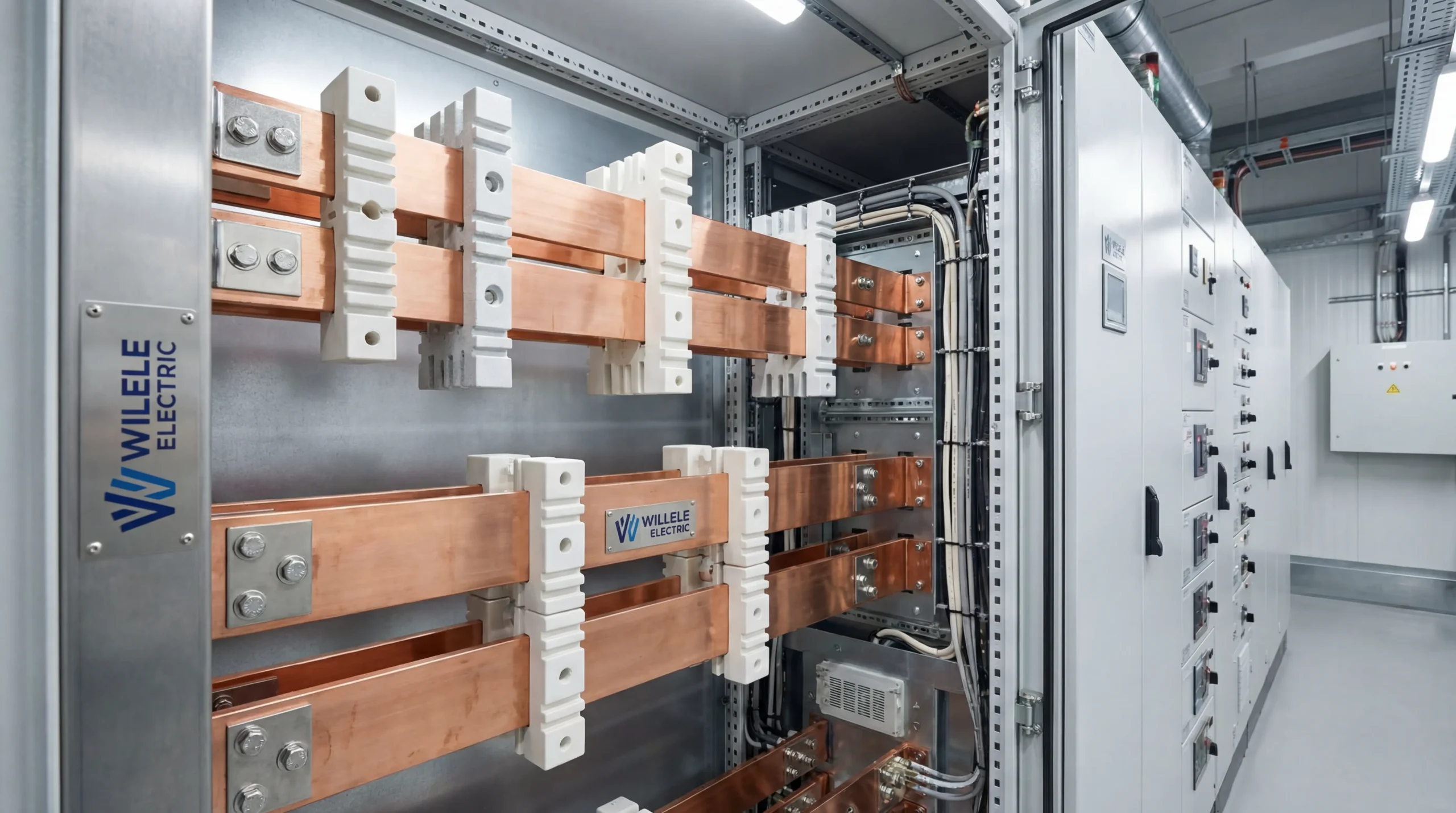
As global electrification accelerates and power distribution systems become increasingly sophisticated, busbar insulator technology stands at the forefront of electrical infrastructure innovation. The busbar insulator market is experiencing unprecedented growth, driven by renewable energy deployment, electric vehicle proliferation, and the expansion of high-performance data centers. This comprehensive analysis explores the cutting-edge trends, materials, and technologies shaping the future of busbar insulation in 2026 and beyond.
Market Dynamics and Growth Trajectory
The global busbar insulation materials market is entering a remarkable growth phase, projected to expand from USD 1.7 billion in 2026 to USD 4.3 billion by 2036, representing a robust compound annual growth rate (CAGR) of 9.7%. This explosive growth reflects the fundamental transformation occurring across electrical infrastructure worldwide.
Several macro trends are converging to drive this expansion. The rapid electrification of transportation, particularly electric vehicles with integrated powertrains and cell-to-pack battery architectures, demands advanced insulation solutions capable of handling extreme thermal and electrical loads. Simultaneously, hyperscale data centers are adopting laminated busbars to manage unprecedented energy densities efficiently. The renewable energy sector’s expansion, coupled with grid-scale energy storage deployment, further amplifies demand for high-performance busbar insulators.
The transmission and distribution segment dominates the market landscape, accounting for approximately 50% of global busbar insulator demand in 2024. This dominance underscores the critical role these components play in ensuring reliable power delivery across increasingly complex electrical networks.
Advanced Materials Revolutionizing Busbar Insulation
Heat Shrink Tubing: The Flexible Solution
Heat shrink tubing has emerged as a cornerstone technology for busbar insulation, offering unparalleled versatility and performance across voltage ranges from 1 kV to 72 kV. These thick-wall, heat-shrinkable tubes provide comprehensive insulation enhancement and protection against flashover and accidentally induced discharge, making them indispensable for both copper and aluminum busbars.
Modern heat shrink solutions are manufactured from specially formulated thermoplastic polymers that undergo radiation cross-linking to achieve superior electrical, shrinking, and anti-tracking properties. The material’s ability to conform precisely to busbar profiles—whether circular or rectangular—ensures consistent minimum wall thickness and eliminates voids that could compromise insulation integrity. This conformability proves particularly valuable in confined spaces where traditional rigid insulation methods face installation challenges.
The color-coding capability of heat shrink tubing addresses another critical operational need: phase identification. Red, yellow, and green options enable instant visual recognition of electrical phases, enhancing safety during maintenance operations and reducing the risk of human error in complex switchgear environments.
Epoxy Resin Coating: Superior Performance and Durability
Epoxy powder coating represents the premium choice for busbar insulation, delivering exceptional dielectric strength, uniform adhesion, and outstanding durability. This technology creates a chemically bonded conformal coating that eliminates voids and prevents moisture penetration—two critical factors in long-term insulation performance. The coating’s scratch-resistant properties and ability to accommodate thermal expansion and flex stresses make it ideal for demanding industrial applications.
One of epoxy insulation’s most compelling advantages lies in its thermal management characteristics. Epoxy-coated busbars dissipate heat more efficiently than alternatives, enabling higher current-carrying capacity with less material. This translates directly into cost savings through thinner, lighter busbars that maintain equivalent performance. As average operating temperatures in power distribution installations continue rising, epoxy’s higher maximum operating temperature provides essential future-proofing for electrical infrastructure.
The material’s versatility extends to complex geometries. Epoxy coating excels at covering odd-shaped busbars with uniform thickness, ensuring consistent dielectric protection across all surfaces. This capability proves particularly valuable in modern switchgear designs where space optimization demands intricate busbar configurations.
Polymer Composites and Advanced Materials
The industry is witnessing accelerated adoption of polymer composites that combine multiple material properties to meet increasingly stringent performance requirements. Bulk Molding Compound (BMC) and Sheet Molding Compound (SMC) have gained prominence in high-voltage and industrial applications, offering exceptional mechanical strength alongside superior electrical insulation. These materials provide the structural support necessary for busbar systems while maintaining high dielectric protection, particularly valuable in harsh environmental conditions.
Silicone rubber has carved out a specialized niche for outdoor and harsh weather applications. Its exceptional thermal stability, elasticity, and weathering resistance make it the preferred choice for installations exposed to moisture, UV radiation, and extreme temperature fluctuations. The material maintains consistent performance across wide temperature ranges, ensuring reliable insulation in challenging environments where traditional materials might degrade.
For ultra-high-temperature applications, mica and ceramic materials remain unmatched. Mica withstands temperatures exceeding 700°C without degradation while maintaining exceptional dielectric strength and chemical stability. These properties make it indispensable for high-power electrical systems and industrial furnaces where conventional insulation materials would fail.
Laminated Busbar Insulation Films
The laminated busbar segment represents one of the fastest-growing areas within busbar insulation technology. These sophisticated assemblies consist of copper conductors separated by thin dielectric films—typically polyimide, polyester, or PTFE—laminated into uniform conductors ideal for carrying high electrical loads in compact spaces. The global laminated busbar market expanded from USD 994.63 million in 2025 to USD 1.05 billion in 2026, reflecting the technology’s rapid adoption.
Polyester (PET) film dominates flexible insulation applications due to its balanced property profile. With a temperature rating of 105°C and elongation exceeding 100%, PET film easily stretches during busbar bending and shaping without tearing or diluting. The material maintains conductor shape even when held beyond its glass transition temperature (80°C) for extended periods, ensuring long-term dimensional stability.
For high-voltage laminated busbars, rigid glass-reinforced polyester provides the necessary dielectric thickness. Design guidelines typically specify 1mm of rigid insulation per kV voltage rating to optimize the critical electrical field and meet partial discharge requirements. This standardized approach ensures consistent performance across voltage ranges from low-voltage applications to systems operating at 115 kV and beyond.
Comparative Analysis of Busbar Insulation Materials
| Material Type | Dielectric Strength | Temperature Range | Key Advantages | Primary Applications | Cost Efficiency |
|---|---|---|---|---|---|
| Heat Shrink Tubing | High (up to 72 kV) | -55°C to 105°C | Flexible, easy installation, conforms to complex shapes | Switchgear, substations, field installations | High |
| Epoxy Resin Coating | Excellent | -40°C to 155°C | Superior thermal management, uniform coverage, moisture resistant | Industrial equipment, high-performance systems | Medium |
| Silicone Rubber | Good | -60°C to 200°C | Weather resistant, UV stable, excellent elasticity | Outdoor installations, harsh environments | Medium |
| Polyester (PET) Film | Good | -40°C to 105°C | Cost-effective, flexible, good chemical resistance | Laminated busbars, general-purpose applications | Very High |
| BMC/SMC Composites | Excellent | -40°C to 180°C | High mechanical strength, structural support | High-voltage systems, industrial applications | Low |
| Mica/Ceramic | Outstanding | Up to 700°C+ | Extreme temperature resistance, chemical stability | High-power systems, industrial furnaces | Very Low |
| PVC Insulation | Moderate | -10°C to 70°C | Self-extinguishing, migration resistant, economical | Low-voltage distribution, general equipment | Very High |
Emerging Technologies and Innovation Drivers
Additive Manufacturing and 3D Printing
The integration of 3D printing technology into busbar manufacturing represents a paradigm shift in production capabilities. Additive manufacturing enables the creation of customized and intricate busbar designs with significantly shortened lead times for prototyping and production. The technology’s versatility in material usage—including advanced composites and specialized metals—fosters continuous material innovation, resulting in busbars with superior conductivity, enhanced heat resistance, and improved durability.
This manufacturing revolution allows engineers to optimize busbar geometries for specific applications, creating designs that would be impossible or prohibitively expensive using traditional manufacturing methods. The ability to rapidly prototype and iterate designs accelerates innovation cycles and enables more responsive adaptation to evolving market requirements.
Smart Materials and Monitoring Integration
The convergence of materials science and digital technology is giving rise to “smart” busbar insulation systems capable of real-time performance monitoring. Advanced materials incorporating sensing capabilities can detect temperature anomalies, partial discharge events, and insulation degradation before they lead to system failures. This predictive maintenance capability reduces downtime, extends equipment life, and enhances overall system reliability.
The adoption of busbar clamps—which improve insulation resistance and enhance overall busbar performance—has increased by over 15% in the past five years, demonstrating the industry’s commitment to incremental performance improvements alongside breakthrough innovations.
Regulatory Compliance and Sustainability
Regulatory shifts are profoundly influencing material selection and innovation trajectories. PFAS (per- and polyfluoroalkyl substances) compliance requirements are driving manufacturers to develop alternative materials that maintain performance while meeting environmental standards. Raw material sourcing requirements further push innovation toward sustainable, traceable supply chains.
The industry’s response to these challenges demonstrates remarkable adaptability. Halogen-free formulations, such as radiation cross-linked halogen-free polyethylene, deliver excellent electrical and shrinking properties while meeting RoHS and REACH requirements. These materials prove that environmental responsibility and technical performance need not be mutually exclusive.
Application-Specific Trends
Electric Vehicle Infrastructure
The electric vehicle revolution demands busbar insulation solutions capable of handling extreme power densities in compact spaces. Integrated “x-in-1” powertrains and cell-to-pack battery architectures create intense thermal and electrical stresses that push conventional insulation materials to their limits. Specialized heat shrink tubing engineered for EV applications provides superior high-voltage protection while maintaining the flexibility necessary for complex battery pack geometries.
The expansion of ultra-fast charging infrastructure further intensifies performance requirements. Charging systems operating at 350 kW and beyond generate substantial heat that insulation materials must manage effectively while maintaining dielectric integrity. This application drives continuous innovation in thermal management and high-voltage insulation technologies.
Renewable Energy and Grid Storage
Grid-scale energy storage and smart grid deployment create unique insulation challenges. These systems must operate reliably over decades while withstanding cycling loads, environmental exposure, and voltage transients. The renewable energy sector’s expansion, particularly in solar and wind installations, demands insulation materials that maintain performance despite extreme temperature variations and environmental stresses.
Offshore wind installations present particularly demanding conditions, requiring insulation materials that resist salt fog corrosion, UV degradation, and mechanical stress from constant vibration. Silicone rubber and specialized epoxy formulations have emerged as preferred solutions for these challenging applications.
Data Center Power Distribution
Hyperscale data centers represent one of the fastest-growing application segments for advanced busbar insulation. These facilities’ extreme power densities—often exceeding 50 kW per rack—demand highly efficient power distribution systems with minimal losses. Laminated busbars with precision-engineered insulation films enable compact, high-current distribution while maintaining excellent thermal management.
The shift toward liquid cooling in high-performance computing environments introduces additional requirements for insulation materials. These systems must maintain dielectric integrity in proximity to cooling fluids while accommodating the thermal cycling inherent in variable computing loads.
Installation and Performance Optimization
Selection Criteria and Best Practices
Selecting appropriate busbar insulation requires careful consideration of multiple factors. Voltage rating stands as the primary determinant, with material thickness and dielectric strength scaled accordingly. For heat shrink applications, a practical sizing approach involves calculating busbar circumference and converting to diameter: circumference ÷ 3.14 = required diameter. The selected tubing should be slightly larger than this calculated value to ensure proper fit and shrinkage.
Environmental conditions significantly influence material selection. Indoor applications with controlled environments can utilize cost-effective materials like PVC or standard epoxy coatings. Outdoor installations exposed to weather, UV radiation, and temperature extremes require weather-resistant materials such as silicone rubber or specialized epoxy formulations designed for harsh conditions.
Mechanical stress considerations also play a crucial role. Applications involving vibration, physical impact, or frequent thermal cycling benefit from materials with high mechanical strength and flexibility. BMC and SMC composites excel in providing structural support while maintaining excellent electrical insulation.
Installation Techniques
Modern heat shrink installation techniques have evolved to ensure consistent, reliable results across diverse environments. Factory installations typically employ controlled ovens that provide uniform heating and optimal shrinkage. Field installations utilize gas torches or hot air systems, with careful attention to heating patterns to prevent localized overheating or incomplete shrinkage.
For epoxy coating applications, surface preparation proves critical to achieving optimal adhesion and performance. Proper cleaning, degreasing, and surface treatment ensure the coating bonds chemically with the conductor material, eliminating voids and creating a uniform protective layer. Quality control measures, including coating thickness verification and dielectric testing, validate installation integrity.
Regional Market Dynamics
Asia-Pacific Growth Leadership
The Asia-Pacific region leads global busbar insulator demand, driven by rapid urbanization, industrial expansion, and massive infrastructure investments. China’s continued economic growth and infrastructure development create sustained demand for electrical distribution systems. India’s expanding power generation capacity and grid modernization initiatives further amplify regional market growth.
The region’s dominance in electric vehicle production and battery manufacturing generates substantial demand for specialized busbar insulation solutions. Gigafactory expansion across China, South Korea, and Southeast Asia creates concentrated demand centers for advanced insulation materials capable of meeting automotive industry requirements.
North American and European Markets
Developed markets in North America and Europe focus increasingly on grid modernization, renewable energy integration, and electric vehicle infrastructure. These regions emphasize high-performance materials that meet stringent regulatory requirements and deliver long-term reliability. The push toward carbon neutrality drives investments in renewable energy and grid storage, creating sustained demand for advanced busbar insulation technologies.
Regulatory frameworks in these regions increasingly mandate environmental compliance, accelerating the adoption of halogen-free and PFAS-compliant materials. This regulatory pressure drives innovation and creates competitive advantages for manufacturers capable of delivering high-performance, environmentally responsible solutions.
Future Outlook and Strategic Opportunities
The busbar insulator market’s trajectory through 2036 reflects fundamental shifts in global energy infrastructure. The baseline scenario projects a 7.2% compound annual growth rate for busbar insulation films alone, bringing the market index to approximately 198 by 2035 (2025=100). This sustained, above-GDP growth stems from macro-trends in electrification and digitalization that show no signs of abating.
Key strategic opportunities include the expansion of gigafactories and localized battery production, development of ultra-fast charging infrastructure, growth in grid-scale energy storage and smart grids, and adoption of advanced materials in aerospace and industrial electrification. Companies positioned to deliver innovative, high-performance insulation solutions across these application segments will capture disproportionate value as the market expands.
The market is experiencing a structural shift from commodity components to performance-differentiated elements within the broader electrification ecosystem. This transformation compresses margins in commoditized segments while creating substantial value pools in specialty materials where technical innovation and certification serve as competitive moats. Success in this evolving landscape requires continuous investment in material science, manufacturing technology, and application engineering.
Frequently Asked Questions (FAQ)
Q1: What is the primary function of a busbar insulator?
A busbar insulator provides electrical insulation and physical protection for busbar conductors, preventing flashover, accidental discharge, and short circuits while enabling safe, reliable power distribution across electrical systems.
Q2: Which insulation material offers the best value for general-purpose applications?
Heat shrink tubing and polyester (PET) films offer excellent value for general-purpose applications, combining good electrical performance, ease of installation, and cost-effectiveness. For higher performance requirements, epoxy coating provides superior long-term durability.
Q3: How do I select the correct voltage rating for busbar insulation?
Select insulation rated for at least 125% of your system’s maximum operating voltage. For high-voltage applications, follow the guideline of 1mm rigid insulation thickness per kV voltage rating to ensure adequate dielectric strength and partial discharge protection.
Q4: Can busbar insulators be used in outdoor environments?
Yes, but material selection is critical. Silicone rubber and specialized epoxy formulations designed for outdoor use provide excellent weather resistance, UV stability, and performance across extreme temperature ranges. Standard materials may degrade when exposed to environmental stresses.
Q5: What are the advantages of heat shrink tubing over rigid insulation?
Heat shrink tubing offers superior flexibility, conforms to complex busbar geometries, simplifies installation in confined spaces, and provides consistent wall thickness. It’s particularly valuable for field installations and retrofit applications where rigid insulation would be impractical.
Q6: How does epoxy coating improve busbar performance?
Epoxy coating enhances thermal management, allowing busbars to dissipate heat more efficiently and carry higher currents with less material. It provides uniform coverage on complex shapes, eliminates voids, prevents moisture penetration, and offers excellent long-term durability.
Q7: What maintenance do busbar insulators require?
Quality busbar insulation requires minimal maintenance. Periodic visual inspection for physical damage, discoloration, or degradation is recommended. In critical applications, periodic dielectric testing can verify insulation integrity and predict potential failures before they occur.
Q8: Are there environmentally friendly busbar insulation options?
Yes, modern halogen-free formulations meet RoHS and REACH requirements while delivering excellent performance. Many manufacturers now offer PFAS-compliant materials that maintain technical specifications while addressing environmental concerns.
