
Choose Your Heat Shrink tube Model
Heat Shrink Tubing — Models Overview
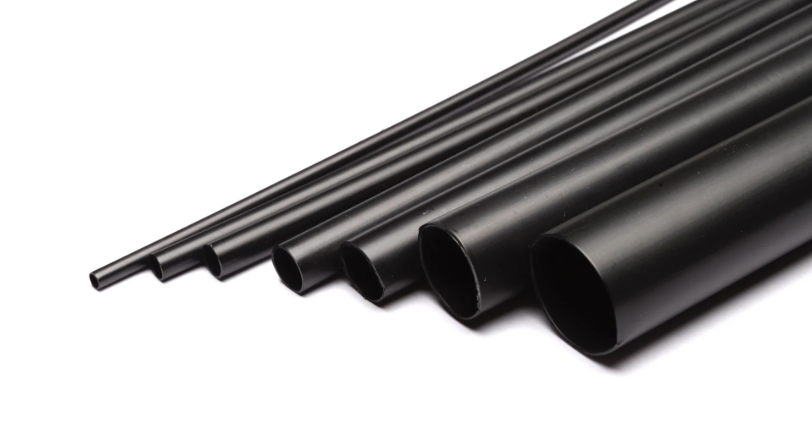
Single-wall and adhesive-lined (double wall) tubes, plus end caps, covering 2:1 / 3:1 / 4:1 shrink ratios for industrial insulation and sealing. Specs and test methods follow the official datasheets only.


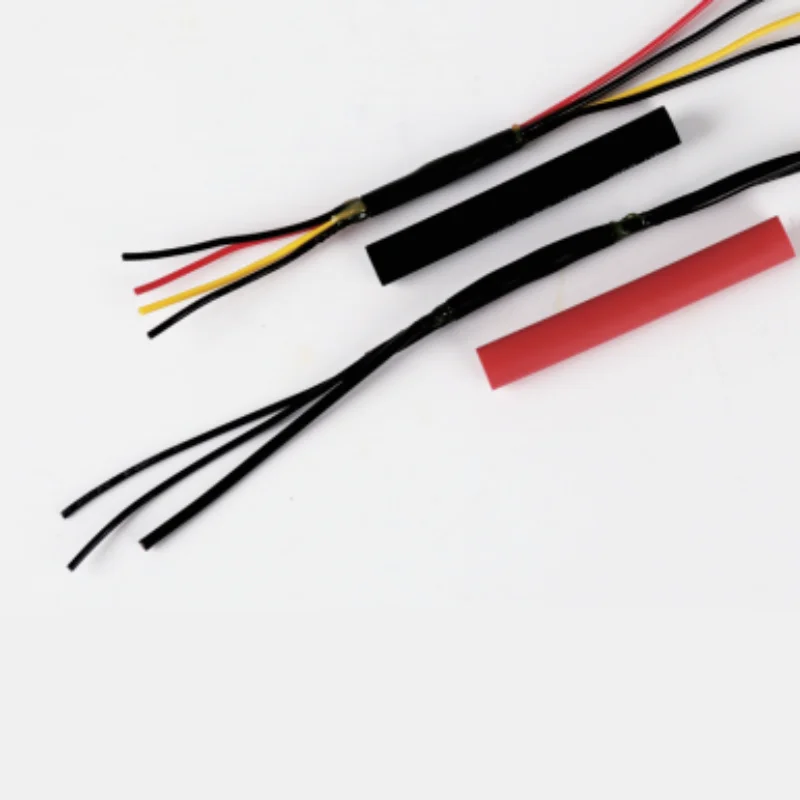


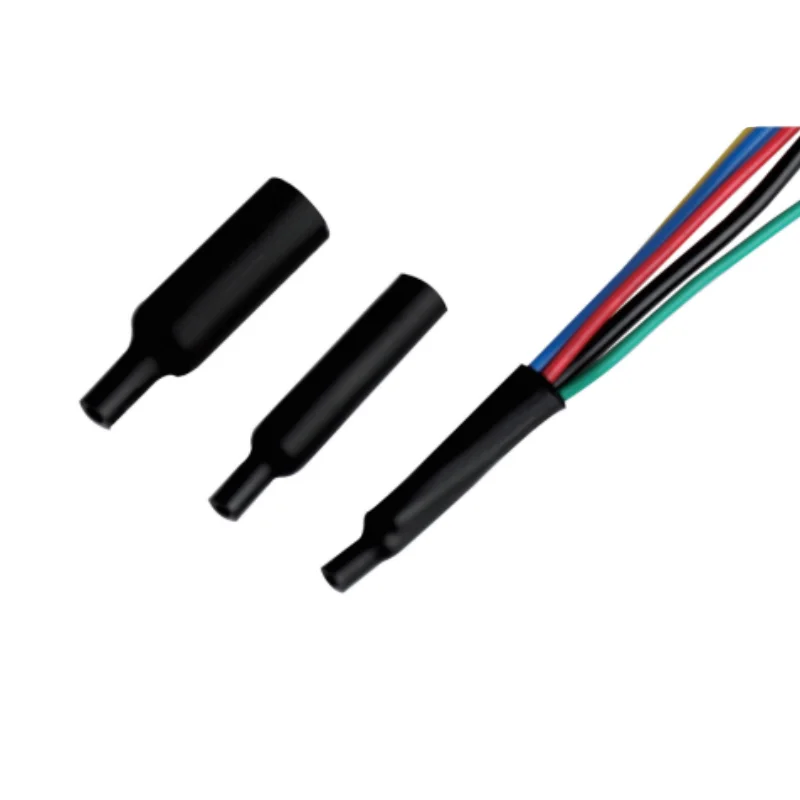
Compare 2:1 vs 3:1 vs 4:1
What shrink ratio means, the fit window you can expect, and when to choose each type. (Model-level temperatures and tests appear on the product pages.)
| Shrink Ratio | When it’s typically used |
|---|---|
|
2:1 Good fit range: ~50–80% of supplied ID Irregular joints: limited | Straight wires, uniform bundles, general insulation and color ID when the cable OD is close to the supplied inner diameter. Lower recovery force than higher ratios; easiest to slide over connectors of similar size. |
|
3:1 Good fit range: ~35–75% of supplied ID Irregular joints: better | Mixed-diameter runs and small splices. A wider recovery window helps one size cover multiple cables. Often chosen for adhesive-lined versions where sealing and strain relief are required. |
|
4:1 Good fit range: ~25–70% of supplied ID Irregular joints: best | Large diameter transitions, bulky connectors, or repairs where you must start wide and finish tight. Common with adhesive-lined (double wall) tubing to seal uneven shapes and provide robust environmental protection. |
Tip: choose the supplied inner diameter so that your cable/connector sits in the “good fit range”. For sealing, consider adhesive-lined versions; for caps, see End Caps.
Selection Guide
Pick single-wall for insulation and ID, adhesive-lined (double wall) for sealing/strain relief, and end caps when you need a sealed termination.
Single-Wall
Flame retardant 2:1
- Flame retardant insulation & color identification
- Uniform wires/bundles; minimal diameter change
- Cost-effective coverage across many sizes
- Not for sealing against moisture by itself
- Limited conformity on bulky connectors
Need wider recovery? See ratio comparison.
Adhesive-Lined (Double Wall)
3:1 4:1
- Sealing against water, dust, and corrosion
- Strain relief on splices & connectors
- Handles irregular shapes and large transitions
- Heavier wall & higher recovery force
- Requires heating until adhesive flows
End Caps
Sealed terminations
- Seal cable ends and branch splices
- Quick environmental protection for cut ends
- Adhesive-lined options for waterproofing
- Not for long-run insulation
- Choose size per supplied inner diameter
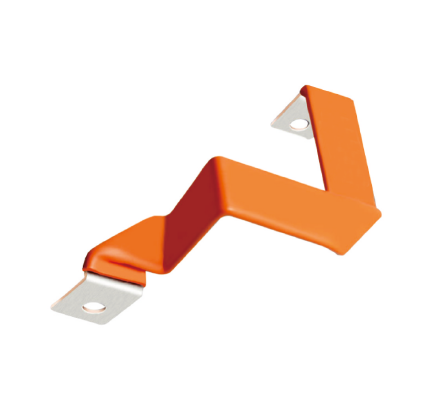
Automotive busbar coating? See HSNE-F.
Quick decision rules
- If sealing or strain-relief is required → choose adhesive-lined.
- If large OD transition / bulky connector → prefer 3:1 or 4:1.
- If straight wire/bundle and budget-sensitive → single-wall 2:1.
- If terminating cable end → use an end cap with adhesive.
How to size (generic)
- Pick a supplied inner diameter that lets the tube slide over the largest feature (connector/splice).
- Ensure your final cable OD sits within the good-fit window for the ratio you choose.
- For sealing: heat until the adhesive wets the surface and fillets at the edges (avoid scorching).
Model-level temperatures and test methods are on each product page; always follow the datasheet.
Typical Use Cases & Industries
Where our single-wall, adhesive-lined (double wall), and end-cap solutions are most often applied. Pick a scenario and jump straight to suitable models.
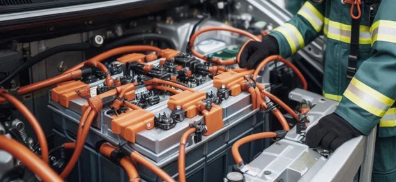
Automotive & EV
- Wire-harness insulation, branch sealing, abrasion protection
- Adhesive-lined for splices/connectors; end caps for terminations
- Busbar coating and color ID on high-voltage zones
Marine / Offshore
- Environmental sealing against splash, moisture, and salt fog
- Outer-layer flame retardant options for jacket protection
- Service/repair sleeves for damaged cable sections
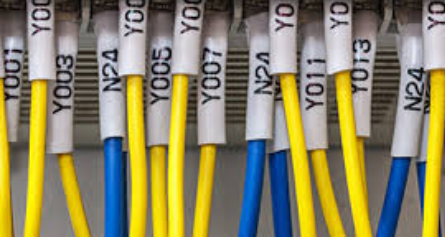
Control Panels & Industrial Wiring
- Fast insulation and color identification on uniform conductors
- Bundle management with minimal diameter change
- Cost-effective coverage across many sizes
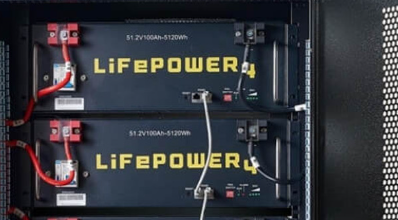
Energy, ESS & Field Repair
- Seal irregular shapes and transitions, provide strain relief
- End-caps for fast environmental protection of cut ends
- Stock a few 3:1 / 4:1 sizes to cover multiple diameters
Installation & Safety Guide
Generic best practices for single-wall and adhesive-lined (double wall) heat-shrink tubing and end caps. Always refer to the specific model page for temperatures and test methods.
Measure & cut
Choose the supplied inner diameter (ID) so the sleeve slides over the largest feature (connector/splice). Cut length to cover the joint plus at least one cable diameter each side.
Prepare surfaces
Remove sharp edges and debris; lightly clean and dry the cable jacket or metal. For adhesive-lined tubes/end caps, cleanliness improves sealing.
Position sleeve
Center the tube on the joint or push the end cap fully home. Use temporary alignment if needed (no PVC tapes directly under the seal area).
Apply heat evenly
Use a heat gun or controlled oven. Sweep the heat at a steady pace, starting at the center and moving toward the ends to avoid air entrapment. Rotate for uniform recovery.
Watch for cues
For single-wall, the sleeve should recover smoothly without scorching. For adhesive-lined, continue heating until the hot-melt wets the surface and forms small fillets at both edges.
Cool & inspect
Allow to cool naturally. Check for uniform recovery, visible adhesive fillets (if applicable), and no cold spots, wrinkles, or trapped bubbles.
Do
- Pre-fit on the largest connector before final crimp/solder when possible.
- Use adhesive-lined sleeves or end caps when you need sealing/strain relief.
- Keep the heat source moving; recover from center → ends.
- Confirm fit against the shrink-ratio window before cutting bulk lengths.
Don’t
- Overheat to the point of charring or jacket deformation.
- Trap PVC tape or contaminants under sealing zones.
- Pull on the sleeve while it’s hot; allow full cooling first.
- Use single-wall alone where environmental sealing is required.
Recommended tools
Safety: follow site PPE rules (gloves/eye protection); keep heat sources away from flammables. Temperatures and standards (e.g., ASTM D2671, IEC 60093/60243, RoHS, VW-1, AMS-DTL-23053/4) are listed per model on its product page.
Clear choices without the glare
A calm pause between sections. Compare ratios, pick flame-retardant single-wall for ID and insulation, or move to adhesive-lined (double wall) for sealing and strain-relief—then jump back into the product cards.
Heat-shrink Fundamentals
The essentials behind heat-shrink tubing—what it is, single-wall vs adhesive-lined (double wall), how shrink ratios work, and where each type fits. Model-level temperatures and test data remain on the respective product pages.
What is heat-shrink tubing?
Heat-shrink tubing is a polymer sleeve that recovers to a smaller diameter when heated, gripping and protecting the underlying part. Most industrial sleeves are polyolefin, balancing flexibility, electrical insulation, and durability. Use it for insulation, color identification, abrasion protection, and sealed terminations when required.
“Recovery” = returning toward a preset size after heating—match the supplied ID and shrink ratio to your application.
Single-wall vs adhesive-lined (double wall)
Single-wall sleeves offer fast insulation, color ID, and bundle management with minimal added diameter. Our single-wall category (e.g., HTS 2X, HTD 2X) emphasizes flame retardant performance for general wiring.
Adhesive-lined (double wall) sleeves include a hot-melt layer that flows on heating, filling gaps and forming small fillets for sealing and strain relief. See HST-D 3X, HST-D 4X, or semi-rigid HS4X-B. For marine/military jackets: HS-GF 3X&4X
Shrink ratio & the “fit window”
Shrink ratio relates the supplied ID to its recovered size: 2:1, 3:1, 4:1. Higher ratios cover bulky connectors and irregular shapes; lower ratios suit tight, uniform runs. Use the ratio comparison table to choose.
- 2:1 — tight fits and color ID on uniform conductors.
- 3:1 — mixed diameters; popular with adhesive-lined sleeves.
- 4:1 — large transitions and environmental sealing.
Pick the supplied ID to clear your largest feature; after recovery, stay inside the ratio’s “good-fit” range.
Common uses & environments
Typical domains: automotive / EV wire harnesses, marine/offshore cabling, industrial wiring & control panels, plus battery / ESS systems. Single-wall handles identification and insulation; adhesive-lined sleeves and end caps provide sealing at splices, branches, and cut ends. Color-coded sleeves aid safety and maintenance on busbars and high-visibility circuits.
Handling & good practice
Use a variable-temperature heat gun and keep the nozzle moving; recover from center → ends to avoid trapped air. For adhesive-lined types, heat until you see smooth wet-out and neat edge fillets. Avoid scorching and contaminants under the seal zone. When uncertain between sizes, choose the larger supplied ID with a higher ratio so it passes the connector and still recovers securely.
Materials & real-world choices
Most industrial sleeves are polyolefin, balancing flexibility and electrical insulation while remaining easy to install with a heat gun. When the job requires sealing, you will see terms like adhesive-lined, glue-lined, or dual-wall—they all describe a double-wall construction with a hot-melt liner that flows during recovery to create a tighter, more reliable seal. For environments exposed to spray, dust, or salt fog, customers often ask for “marine grade heat shrink”: in practice that means choosing an adhesive-lined family and following the datasheet’s guidance for heating and inspection. In wiring looms and automotive wire harness work, single-wall flame-retardant sleeves provide color ID and tidy routing, while dual-wall options reinforce splices and connectors. Battery packs and ESS installations benefit from color coding, abrasion buffering, and sealed transitions where cables enter housings. Always size to clear the largest feature, then recover until you see clean wet-out and neat edge fillets.A heat shrink tube made from polyolefin balances insulation, flexibility, and easy recovery with a standard heat gun.
Sizing & Selection Deep-Dive
Pick a heat shrink tube size that clears the largest feature, then recover until the liner wets out and forms clean edge fillets.A practical method to size heat-shrink tubing and choose between single-wall and adhesive-lined (double wall)—without model-specific numbers. For temperatures and tests, see each product page.
3-Step sizing method
Measure the largest OD you must pass over (connector, splice, boot). Your chosen supplied inner diameter must be ≥ this number so the sleeve can slide on easily.
Use 2:1 / 3:1 / 4:1 guidance. Higher ratios handle bulkier transitions and irregular shapes; lower ratios suit uniform wires and tight IDs.
After recovery, your cable OD should sit inside the ratio’s typical good-fit window. If sealing/strain-relief is required, select an adhesive-lined sleeve and heat until the hot-melt visibly wets the surface and forms small edge fillets.
Sizing tips
- Between sizes? Choose the larger supplied ID and a higher ratio so it passes the connector and still recovers securely.
- Avoid sharp edges and contaminants under sealing zones; they can create leak paths.
- Color coding helps maintenance and safety—especially on busbars and high-visibility circuits.
When to prefer flame-retardant single-wall
Applying the method to common scenarios
For long straight runs in control panels or wire harness assemblies, select flame-retardant single-wall and a ratio close to the cable OD—this minimizes bulk and speeds installation with a variable-temperature heat gun. If you must pass over a bulky connector or a soldered splice, step up to 3:1 or 4:1 and consider adhesive-lined (aka glue-lined, dual-wall) to add sealing and strain-relief. In automotive engine bays, specify sleeves that emphasize flame behavior and routing clarity; for marine grade repairs or deck wiring, pick adhesive-lined types and heat until the liner visibly wets the surface. For battery packs and ESS, combine color identification with sealed transitions at gland entries to reduce corrosion risks. Remember: “waterproof” performance depends on model and proper installation—use the datasheet’s temperature cues and inspect for continuous fillets.
Compliance & Test Methods
What common methods and directives mean in practice. Use this as an explainer; actual values and pass/fail appear on each product page and datasheet.
Directives & declarations
RoHS — Restricts hazardous substances in electrical/electronic equipment. Product pages indicate conformance where applicable.
REACH — Registration, Evaluation, Authorization and Restriction of Chemicals. We communicate SVHC status via official statements when requested.
Flame-retardant (FR) — For single-wall families such as HTS 2X and HTD 2X, “FR” refers to meeting the stated flame test(s) on the datasheet. Jacket-oriented lines (e.g., HS-GF) highlight outer-layer FR behavior by design intent.
What to request in RFQs
- Target cable OD range and largest feature to pass over
- Preferred shrink ratio (2:1 / 3:1 / 4:1)
- Single-wall vs adhesive-lined (double wall); need for sealing/strain relief
- Color, packaging (cut lengths/rolls), printing needs
About datasheets
All temperatures, dimensions, and pass/fail results live on each model page (and in PDFs). We do not invent values; the web tables mirror the official documents.
Next steps
If your application requires formal compliance letters or testing snapshots, tell us the standards to cite and we will prepare a document pack.
Note: “FR” claims and standard callouts are meaningful only when backed by the corresponding datasheet entries. Always validate against the model you intend to purchase.
Quality • Pricing • Procurement (RFQ Guide)
Exactly how we assure quality, what drives cost, and the information to include for a fast, accurate quote. Numbers live on datasheets—no invented specs.
Product Quality Assurance
- Datasheet-driven: Website tables mirror official technical sheets—no unverified values.
- Incoming checks: Lot control on base polymers, hot-melt compounds, pigments(where applicable)。
- In-process QC: Supplied ID / wall / recovery sampling per lot; visual & dimensional checks.
- Functional checks: Recovery appearance; for adhesive-lined types—wet-out and edge fillets.
- Compliance docs: RoHS/REACH statements & method references on request.
- Traceability: Lot codes map materials & dates; non-conforming lots are quarantined.
Transparent Pricing — What drives cost?
| Driver | Typical impact |
|---|---|
| Shrink ratio | Higher ratios (3:1/4:1) use more material & tighter control vs 2:1. |
| Construction | Adhesive-lined (double wall) adds hot-melt lining and steps; single-wall is most economical. |
| Size & color | Larger supplied IDs / special colors can affect yield & MOQ; standard black is most efficient. |
| Packaging & cut length | Custom cut lengths / kit packing increase handling vs reels or bulk sticks. |
| Volume & schedule | Higher quantities and flexible lead time improve unit economics. |
| Documentation | Formal RoHS/REACH packs or method references may add admin lead time when requested. |
Exact pricing depends on the final model, size range, color and quantity—confirmed after we review your RFQ.
Use FR single-wall when sealing isn’t required
HTS/HTD families target flame-retardant insulation & ID; reserve adhesive-lined for joints/connectors.
Standardize to speed up
Standard supplied IDs & black color typically improve price and shorten lead time vs specials.
Consolidate with higher ratios
3:1/4:1 can let one size cover multiple ODs—fewer SKUs, simpler procurement.
Linking terms to practice
Market phrases such as marine grade heat shrink, automotive heat shrink tubing, or “waterproof heat shrink” map to different technical ideas: flame tests and electrical methods (e.g., VW-1, IEC 60093/60243) describe material behavior, while environmental sealing comes from adhesive-lined/dual-wall constructions installed with the right heat gun technique (full wet-out, smooth fillets). In procurement notes and qualification plans for wire harness, battery, or ESS projects, state the environment (spray, dust, salt fog), the shrink ratio (2:1 / 3:1 / 4:1), and whether glue-lined sealing is required. Use datasheets for the actual temperatures, dimensions, and pass/fail criteria—we do not invent values. Polyolefin remains the typical base for industrial sleeves, pairing flexibility with insulation while supporting consistent recovery.
FAQ — Heat Shrink Tube
Quick answers for selecting, sizing and installing a heat shrink tube. Model-level numbers live on each product page.