
A Comprehensive Guide to Selecting Terminal Blocks for Control Panels

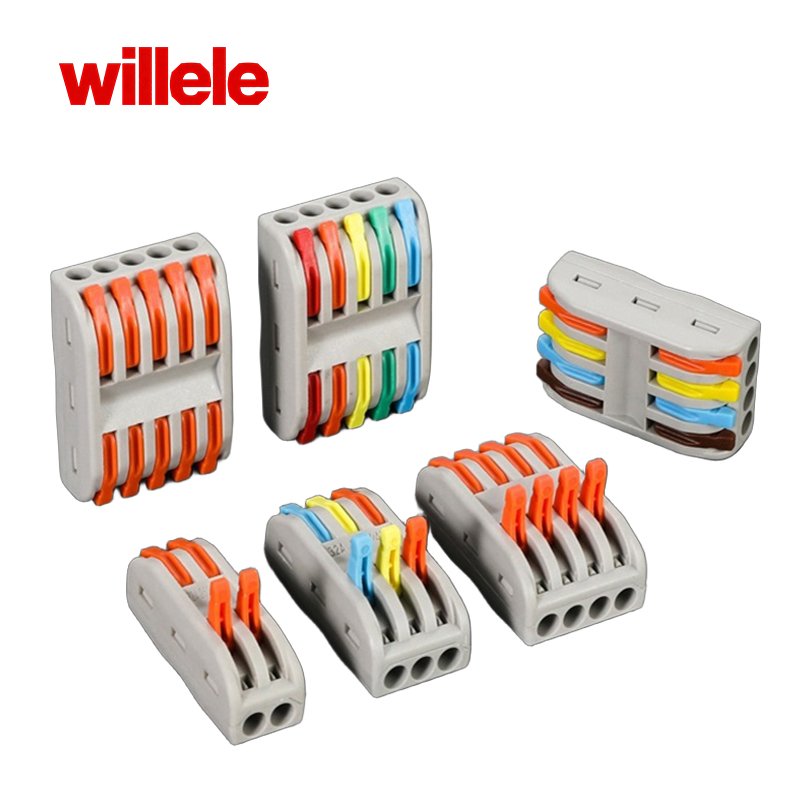
Introduction to Terminal Blocks
A Comprehensive Guide to Selecting Terminal Blocks for Control Panels. A terminal block is a modular, insulated component that secures two or more wires together, acting as a central hub for power and signal distribution within a control panel. Unlike permanent methods like soldering or simple taping, terminal blocks offer a superior solution that enhances safety, organization, and efficiency. They provide a secure connection point that simplifies initial assembly, facilitates future modifications, and makes troubleshooting and maintenance significantly easier. By consolidating wiring into a neat and orderly strip, terminal blocks allow for quick identification and a more professional, reliable electrical system.
Key Selection Criteria
Choosing the correct terminal block requires a careful evaluation of electrical requirements, mechanical constraints, and the specific application.
A. Electrical Specifications
- Current Rating: This is the most critical factor. Operating a terminal block at a current higher than its rating will cause it to overheat, leading to connection failure and a potential fire hazard. As a best practice, select a terminal block with a current rating that is at least 150% of the maximum expected current of the system.
- Voltage Rating: The block must be able to withstand the system’s maximum voltage. To prevent damage from unexpected voltage surges, choose a terminal block with a maximum voltage rating significantly greater than the highest anticipated system voltage.
- Wire Size Compatibility: The terminal block must be able to accept the size of the wire being used. Wire sizes are indicated by gauge numbers (e.g., American Wire Gauge or AWG in North America) or cross-sectional area (mm² in Europe). Ensure the block is specified for the exact wire gauge you are using to guarantee a secure physical and electrical connection.
B. Connection and Termination Methods
- Screw Terminals: The most traditional and widely used method. A screw is tightened to clamp the wire against a conductive strip. This method provides a highly reliable and secure connection but requires the use of a torque screwdriver to ensure the screw is not over-tightened (damaging the wire) or under-tightened (creating a loose connection).
- Spring-Cage Terminals: These blocks use a preloaded spring to clamp the wire. This method is faster than screw terminals and provides a secure, vibration-resistant connection without the need for a specific torque setting. Wires are typically released by inserting a small screwdriver or a dedicated tool to open the spring clamp.
- Push-in Terminals: Offering the fastest installation time, push-in terminals allow solid wires or stranded wires with ferrules to be simply pushed into the clamping unit. A spring mechanism automatically secures the conductor. This method is ideal for high-volume assembly and, like spring-cage types, offers excellent resistance to vibration.
- Insulation Displacement Connectors (IDC): Designed for mass termination, IDC blocks feature sharp contacts that pierce the wire’s insulation to make an electrical connection, eliminating the need for wire stripping. This dramatically speeds up installation, especially in telecommunications and low-voltage control circuits.
Terminal Block Types and Their Applications
Different applications call for specialized terminal blocks designed for specific functions.
- Feed-Through (Single and Multi-Level): These are the most common type, used for standard wire-to-wire connections. Single-level blocks have one input and one output. To save space in crowded panels, multi-level blocks stack two, three, or even more connection points within a single housing, significantly increasing wiring density.
- Ground Terminal Blocks: These blocks are designed specifically to terminate grounding wires. They are mechanically connected to the DIN rail or panel on which they are mounted, using the rail itself as a busbar to distribute ground potential. They are easily identifiable by their standard green-and-yellow-colored housing.
- Fused Terminal Blocks: Integrating overcurrent protection directly into the terminal block, these components feature a built-in fuse holder. This design saves space by eliminating the need for separate fuse holders and simplifies circuit protection. Many models include an LED that illuminates when the fuse has blown, providing a quick visual indicator for troubleshooting.
- Thermocouple Blocks: Standard terminal blocks can interfere with the sensitive millivolt signals from thermocouples by creating an unwanted voltage junction between dissimilar metals. Thermocouple blocks solve this problem by using a clamping mechanism made from the same metal alloy as the thermocouple wire, ensuring signal integrity.
- Power Distribution Blocks: Built to handle high currents, these blocks are used to distribute power from a single large primary source to multiple smaller circuits. They feature heavy-duty contacts and a robust construction to safely manage high electrical loads.

Mounting Methods
- DIN Rail Mounting: This is the universal standard for mounting components inside industrial control panels. A DIN rail is a standardized metal rail that allows terminal blocks and other devices to be quickly snapped into place, providing a secure and organized assembly.
- Panel/Chassis Mounting: Some terminal blocks are designed to be screwed directly onto a panel surface or chassis. This method is used when a DIN rail is not practical or available.
- PCB Mounting: These terminal blocks are designed with pins that are soldered directly onto a printed circuit board (PCB), providing a secure wire-to-board connection for electronic assemblies.
Safety Standards and Compliance
For safety and reliability, it is imperative that terminal blocks comply with recognized industry standards. Always check for certification marks from bodies like UL (Underwriters Laboratories) for North America and IEC (International Electrotechnical Commission) for Europe and other international markets. The ratings of the terminal block must be appropriate for the overall safety requirements of the control panel and the environment in which it will operate. Purchasing components from reputable manufacturers ensures they are built for harsh industrial applications and meet these stringent compliance requirements.
Best Practices for Installation
- Wire Preparation: Always strip wire insulation to the correct length as specified by the terminal block manufacturer. For stranded wires, it is highly recommended to use wire ferrules to create a clean, secure termination point that prevents stray strands from causing short circuits.
- Torque Application: When using screw terminals, always use a calibrated torque screwdriver to tighten screws to the manufacturer’s specified torque value. This prevents connection failures from either over-tightening or under-tightening.
- Labeling and Color Coding: Use labels on each terminal block and wire to allow for clear identification. Color-coding wires and even the terminal blocks themselves (e.g., blue for DC, black for AC) can further simplify assembly, troubleshooting, and maintenance.
- Physical Layout: When planning the panel layout, account for the wire bend radius to avoid putting stress on the connections. Ensure there is enough clearance around the blocks for accessibility during future maintenance or modifications.
- Conclusion: Building Reliable and Safe Control Panels
- The performance and longevity of a control panel depend greatly on the quality and suitability of its terminal blocks. By understanding the electrical requirements, connection methods, mounting systems, and safety standards, U can build a control system that is not only functional but also future-ready.
- A well-selected terminal block does more than connect wires — it connects reliability with innovation, ensuring every electrical signal is transmitted safely and efficiently. Whether U are designing a new system or upgrading an existing panel, invest in high-quality terminal blocks to safeguard U’s project performance for years to come.
