
B2B Buyer’s Guide: Sourcing Wire Nuts in Bulk

Introduction to Bulk Wire Nut Procurement
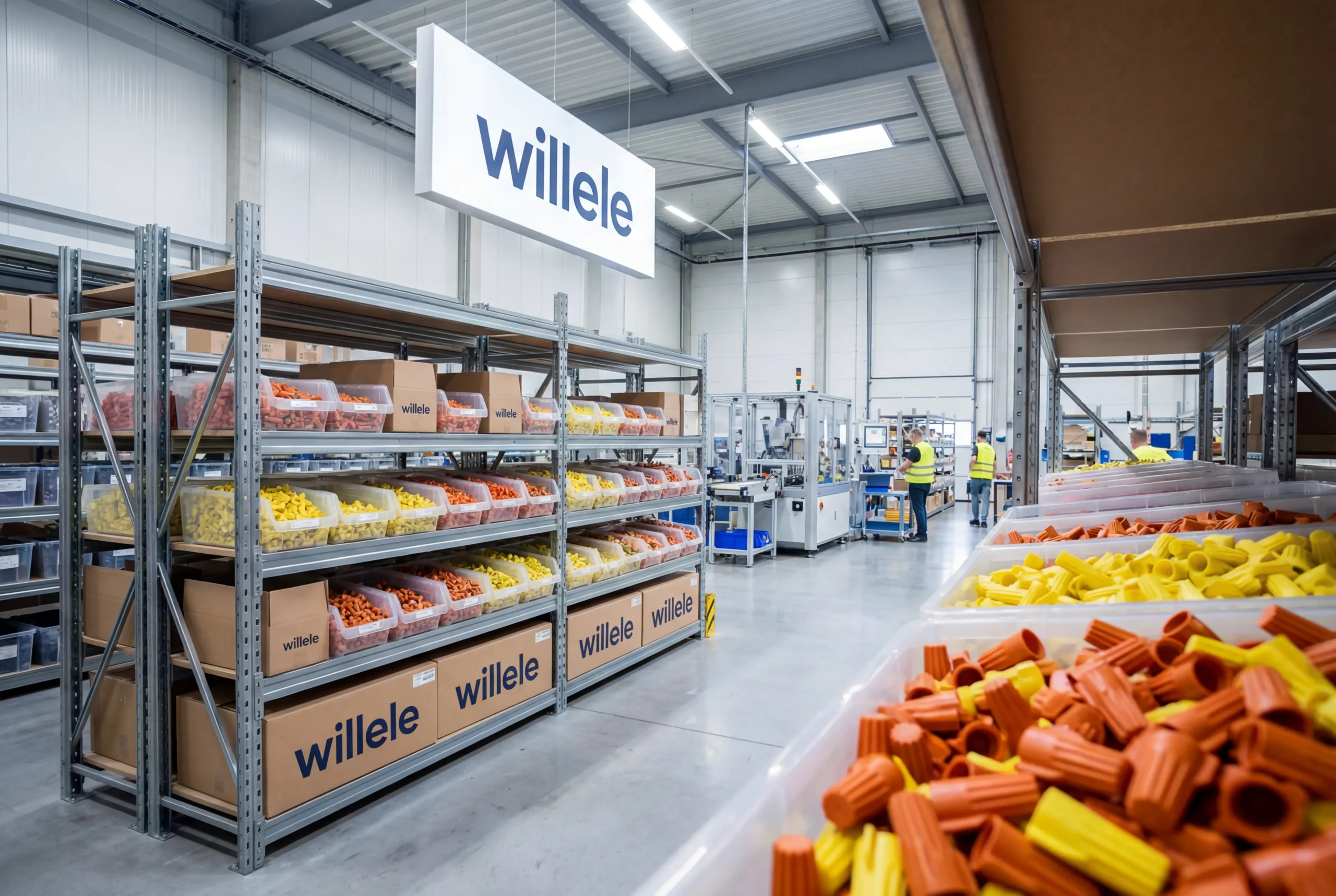
Wire nuts remain one of the most essential electrical connectors in commercial and industrial applications. As a B2B buyer, sourcing these components in bulk requires careful consideration of quality, compliance, and cost-effectiveness. At willele Electric, a trusted B2B manufacturer specializing in heat shrink tubes and electrical equipment, we understand the critical role reliable electrical connectors play in your operations.
This comprehensive guide will walk you through the essential factors for sourcing wire nuts in bulk, helping you make informed procurement decisions that balance quality, compliance, and budget considerations.
Understanding Wire Nuts: Types and Applications
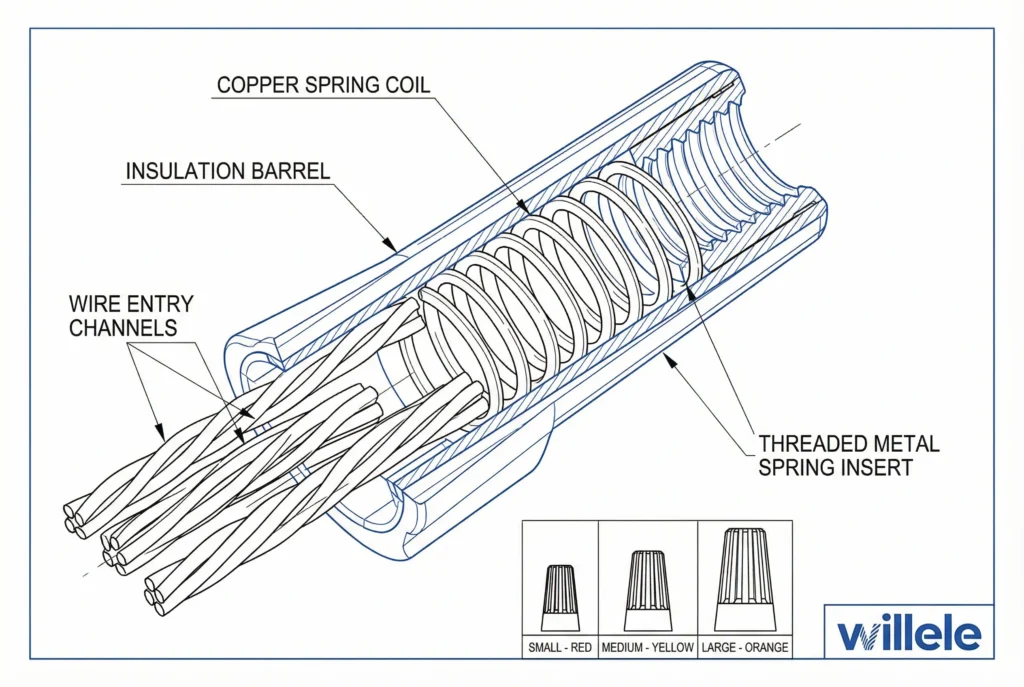
Wire nuts, also known as twist-on wire connectors, provide secure electrical connections by mechanically twisting conductors together within an insulated housing. The internal spring mechanism ensures consistent contact pressure while the outer shell provides insulation and protection.
Common Wire Nut Applications
- Residential Construction: Lighting fixtures, outlet installations, switch connections
- Commercial Buildings: HVAC systems, office electrical systems, emergency lighting
- Industrial Facilities: Control panels, machinery wiring, production line equipment
- Renovation Projects: Electrical upgrades, system expansions, maintenance work
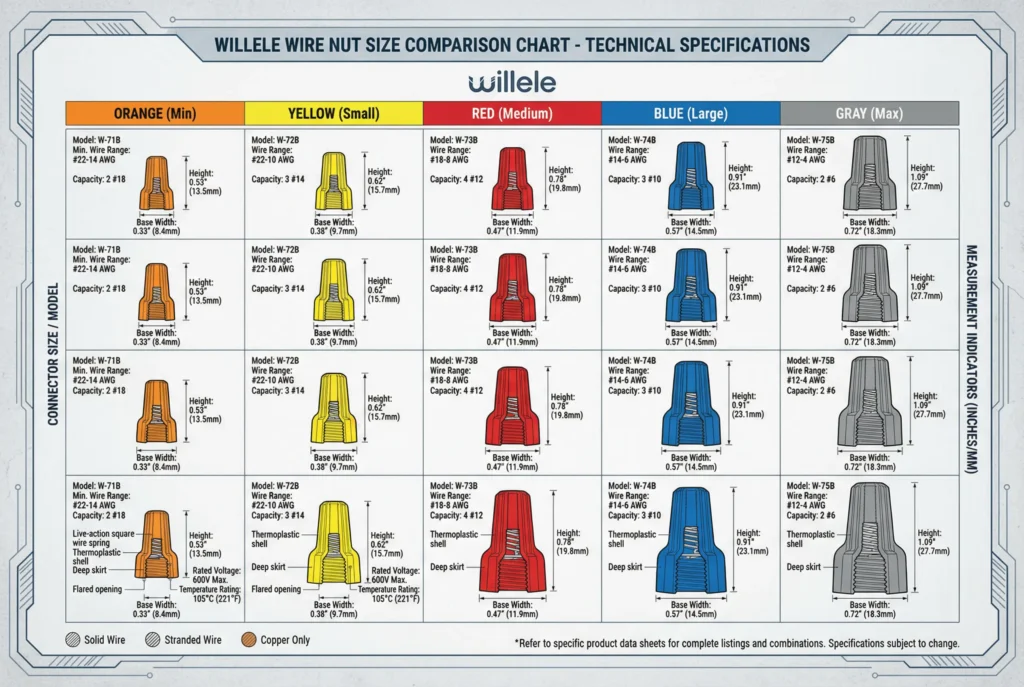
Wire Nut Size Classification
| Size/Color | Wire Gauge Capacity | Typical Applications | Maximum Voltage |
|---|---|---|---|
| Orange | 18-22 AWG (2-3 wires) | Low-voltage circuits, control wiring | 300V |
| Yellow | 14-16 AWG (2-4 wires) | Standard lighting, outlet connections | 600V |
| Red | 12-14 AWG (2-4 wires) | Heavy-duty lighting, appliance circuits | 600V |
| Blue | 10-12 AWG (3-5 wires) | Large appliances, HVAC connections | 600V |
| Gray | 6-8 AWG (2-4 wires) | Industrial equipment, main panel feeds | 600V |
Key Factors in Bulk Wire Nut Procurement
Quality Standards and Material Composition
When sourcing wire nuts in bulk, material quality directly impacts performance and safety. Premium wire nuts feature:
Shell Materials Comparison
| Material Type | Temperature Range | UV Resistance | Chemical Resistance | Cost Factor |
|---|---|---|---|---|
| Standard Polycarbonate | -40°C to 105°C | Moderate | Good | 1.0x |
| Flame-Retardant Nylon | -40°C to 150°C | Excellent | Excellent | 1.4x |
| High-Temperature Thermoplastic | -55°C to 175°C | Excellent | Superior | 1.8x |
| UV-Stabilized Polymer | -40°C to 125°C | Superior | Good | 1.5x |
Internal Spring Mechanisms
The metal spring insert is the heart of wire nut functionality. Quality considerations include:
- Spring Material: Copper-plated steel vs. phosphor bronze
- Coil Tension: Consistent pressure across wire gauge range
- Thread Design: Square vs. tapered threads for optimal grip
- Corrosion Resistance: Protective coatings for longevity
Certification Standards and Compliance
Professional buyers must verify that bulk wire nut orders meet relevant industry certifications.
Essential Certification Comparison
| Certification | Geographic Scope | Key Requirements | Testing Focus |
|---|---|---|---|
| UL 486C | North America | Flame resistance, pull-out strength | Safety, durability |
| CSA C22.2 No. 65 | Canada | Temperature cycling, corrosion | Environmental performance |
| CE/EN 60998 | European Union | Electrical safety, materials | Compliance standards |
| IEC 60998 | International | Connection reliability, insulation | Performance metrics |
| RoHS | Global | Hazardous substance restrictions | Material composition |
Testing and Quality Assurance
Reputable manufacturers like willele Electric conduct rigorous testing:
- Pull-Out Force Testing: Verifies mechanical connection strength
- Temperature Cycling: Ensures performance across operating ranges
- Dielectric Strength Testing: Confirms insulation integrity
- Accelerated Aging: Simulates long-term reliability
- Torque Testing: Validates consistent installation requirements
Supplier Evaluation Criteria
Manufacturing Capabilities
When selecting a bulk wire nut supplier, assess these critical factors:
Supplier Assessment Matrix
| Evaluation Criteria | Weight | Key Indicators |
|---|---|---|
| Production Capacity | 20% | Units per month, lead times, scalability |
| Quality Control Systems | 25% | ISO certifications, testing protocols, defect rates |
| Technical Support | 15% | Engineering assistance, specification guidance |
| Supply Chain Reliability | 20% | On-time delivery rate, inventory management |
| Pricing Competitiveness | 15% | Volume discounts, payment terms |
| After-Sales Support | 5% | Warranty coverage, complaint resolution |
Bulk Ordering Structure
Understanding quantity tiers and pricing models helps optimize procurement:
| Order Quantity | Unit Price Range | Lead Time | Volume Discount | Minimum Order |
|---|---|---|---|---|
| 1,000-5,000 units | $0.15-0.25 | 2-3 weeks | 0-5% | 1,000 units |
| 5,001-25,000 units | $0.12-0.18 | 3-4 weeks | 10-15% | 5,000 units |
| 25,001-100,000 units | $0.08-0.12 | 4-6 weeks | 20-25% | 25,000 units |
| 100,001+ units | $0.05-0.08 | 6-8 weeks | 30-35% | 100,000 units |
Cost Analysis and ROI Considerations
Total Cost of Ownership
Beyond unit pricing, B2B buyers should evaluate:
- Shipping and Logistics: Consolidate orders to reduce freight costs
- Storage Requirements: Assess warehouse space needed for bulk inventory
- Failure Rates: Quality products reduce callback and warranty costs
- Installation Efficiency: Consistent sizing speeds up installation time
- Compliance Risk: Non-certified products may result in project delays or fines
ROI Calculation Framework
Sample Cost Comparison (25,000 units annually)
| Cost Component | Premium Supplier | Budget Supplier | Difference |
|---|---|---|---|
| Unit Price | $0.10 | $0.07 | -$750 |
| Defect Rate (2% vs 8%) | $50 | $400 | +$350 |
| Shipping (consolidated) | $200 | $350 | +$150 |
| Installation Time Savings | -$300 | $0 | -$300 |
| Total Annual Cost | $2,450 | $2,500 | +$50 |
This analysis demonstrates that premium products often provide better value despite higher unit costs.
Strategic Sourcing Best Practices
Building Long-Term Supplier Relationships
- Consolidate Vendors: Partner with manufacturers like willele Electric who offer comprehensive electrical component solutions
- Negotiate Annual Contracts: Lock in pricing and ensure supply chain stability
- Request Custom Packaging: Optimize for your specific workflow requirements
- Establish Quality Metrics: Define acceptable defect rates and testing protocols
- Schedule Regular Reviews: Quarterly assessments of supplier performance
Inventory Management
Effective bulk purchasing requires strategic inventory planning:
- ABC Analysis: Classify wire nut types by usage frequency
- Safety Stock Levels: Maintain 30-60 day buffer for critical sizes
- Seasonal Demand: Anticipate construction industry cycles
- Just-in-Time Options: For less common sizes, consider smaller frequent orders
Sustainable and Environmental Considerations
Modern B2B procurement increasingly prioritizes sustainability:
- Recyclable Materials: Specify wire nuts using recyclable thermoplastics
- RoHS Compliance: Eliminate hazardous substances from your supply chain
- Packaging Reduction: Request bulk packaging to minimize waste
- Local Sourcing: Reduce carbon footprint through regional suppliers
- End-of-Life Programs: Partner with suppliers offering recycling programs
Frequently Asked Questions
Q: What’s the optimal order quantity for most electrical contractors?
A: Most contractors find the 10,000-25,000 unit range optimal, balancing volume discounts (15-20%) with manageable inventory costs. This typically represents 6-12 months of supply for medium-sized operations.
Q: How do I verify wire nut quality before placing a bulk order?
A: Request sample batches for field testing, review third-party certification documentation (UL, CSA, CE), and conduct pull-out force tests. Reputable suppliers like willele Electric provide complete test reports and certifications.
Q: Can I mix different wire nut sizes in a single bulk order?
A: Yes, most manufacturers offer assortment pricing. Combining multiple sizes in one order often maintains volume discount eligibility while providing operational flexibility.
Q: What shelf life should I expect from properly stored wire nuts?
A: Quality wire nuts have an indefinite shelf life when stored in dry, temperature-controlled environments away from direct sunlight. The insulation material remains stable for decades under proper conditions.
Q: Are there minimum order quantities for custom color-coding?
A: Custom colors typically require 50,000-100,000 unit minimums due to manufacturing setup costs. Standard color assortments have much lower minimums (1,000-5,000 units).
Q: How do tariffs and international shipping affect bulk pricing?
A: International orders may incur 5-25% additional costs from tariffs, duties, and extended shipping. Domestic suppliers or manufacturers with local distribution often provide better total landed costs for bulk orders.
Conclusion
Sourcing wire nuts in bulk requires balancing multiple factors: quality assurance, certification compliance, pricing optimization, and supplier reliability. By following this comprehensive B2B buyer’s guide, procurement professionals can make informed decisions that reduce costs while maintaining the highest safety and performance standards.
At willele Electric, we combine decades of experience in electrical component manufacturing with a commitment to quality and customer service. Whether you’re sourcing wire nuts, heat shrink tubes, or other electrical connectors, our team provides the technical expertise and supply chain reliability your business demands.
Ready to optimize your wire nut procurement strategy? Contact our B2B sales team to discuss volume pricing, technical specifications, and customized solutions for your specific requirements.
