
Best Practices for Using Junction Boxes in Agricultural Facilities

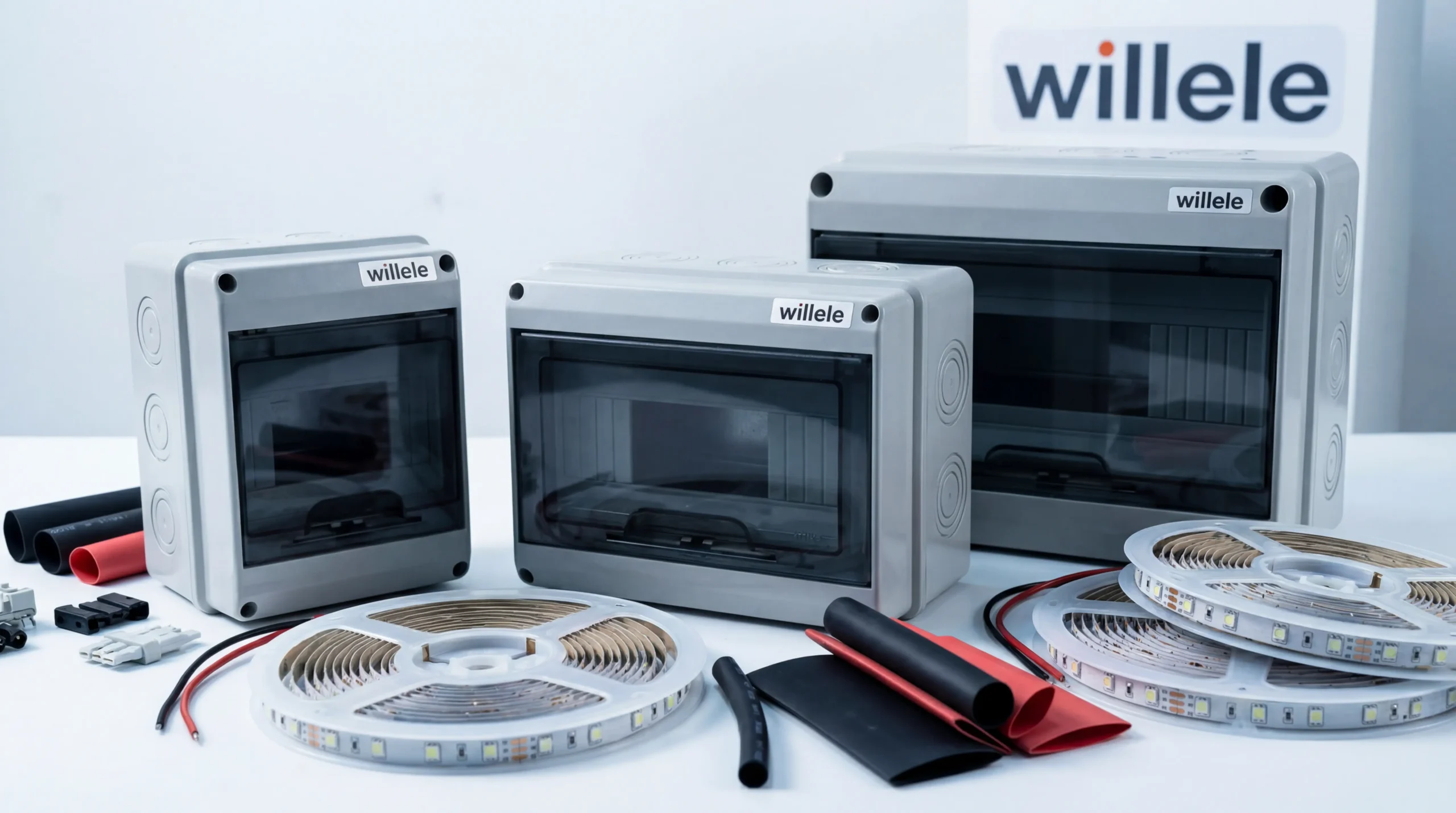
Agricultural facilities present unique electrical challenges that demand specialized solutions. From livestock barns and dairy operations to grain storage facilities and irrigation systems, these environments expose electrical infrastructure to moisture, dust, corrosive chemicals, and mechanical stress. Junction boxes serve as critical protective enclosures that safeguard electrical connections, prevent hazards, and ensure operational continuity in these demanding settings.
Understanding how to properly select, install, and maintain junction boxes in agricultural applications is essential for facility managers, electrical contractors, and farm operators. This comprehensive guide explores industry best practices that align with National Electrical Code (NEC) standards while addressing the specific requirements of agricultural environments.
Understanding Junction Boxes in Agricultural Contexts
A junction box functions as a protective enclosure that houses electrical connections, wire splices, and terminal points. In agricultural facilities, these boxes must withstand environmental conditions far more severe than typical commercial or residential applications. The combination of high humidity, temperature fluctuations, ammonia exposure from livestock operations, and dust from feed and grain handling creates a challenging operating environment that requires specialized equipment and installation techniques.
The selection of appropriate junction boxes begins with understanding the specific hazards present in different agricultural zones. Grain handling areas may contain combustible dust, requiring explosion-proof enclosures. Livestock facilities with high ammonia concentrations need corrosion-resistant materials. Outdoor irrigation control systems demand weatherproof boxes with proper UV resistance. Each application requires careful evaluation of environmental factors to ensure long-term reliability and safety.
Critical Selection Criteria for Agricultural Junction Boxes
Environmental Protection Standards
The NEMA (National Electrical Manufacturers Association) rating system provides a standardized framework for evaluating junction box protection levels. Agricultural applications typically require NEMA 4, 4X, or higher ratings to ensure adequate protection against water ingress, dust penetration, and corrosion.
| NEMA Rating | Protection Level | Agricultural Applications | Key Features |
|---|---|---|---|
| NEMA 3R | Rain, sleet, external ice | Basic outdoor installations, weather-protected areas | Economical outdoor solution |
| NEMA 4 | Windblown dust, rain, splashing water, hose-directed water | Wash-down areas, outdoor equipment | Gasketed construction |
| NEMA 4X | Corrosion resistance plus NEMA 4 protection | Livestock facilities, chemical storage areas | Stainless steel or fiberglass |
| NEMA 6P | Temporary submersion, powerful water jets | Below-grade installations, flood-prone areas | Complete water immersion protection |
| NEMA 12 | Indoor dust, falling dirt, dripping liquids | Feed mills, grain elevators (non-hazardous areas) | Indoor industrial protection |
The IP (Ingress Protection) rating system offers an alternative classification method commonly used for imported equipment. Understanding the equivalence between NEMA and IP ratings helps ensure proper specification when sourcing junction boxes from different manufacturers or regions.
Material Selection Considerations
Material choice significantly impacts junction box longevity in agricultural environments. Each material offers distinct advantages and limitations that must be matched to specific application requirements.
Polycarbonate and ABS plastics provide excellent corrosion resistance and electrical insulation properties, making them ideal for livestock facilities where ammonia and moisture are prevalent. These materials resist UV degradation when properly formulated and offer impact resistance against accidental contact. However, they may have temperature limitations that restrict use near heat-generating equipment.
Stainless steel enclosures deliver superior mechanical strength and can withstand extreme temperature ranges. Grade 316 stainless steel offers exceptional corrosion resistance in coastal agricultural operations or facilities using aggressive cleaning chemicals. The material’s durability justifies higher initial costs in applications requiring long service life and minimal maintenance.
Fiberglass-reinforced polyester (FRP) combines corrosion resistance with structural rigidity, making it suitable for large junction boxes in outdoor installations. FRP maintains dimensional stability across wide temperature ranges and resists degradation from most agricultural chemicals. The material’s non-conductive properties provide additional safety benefits in high-voltage applications.
Aluminum enclosures offer a cost-effective compromise between steel and plastic options. When properly coated or anodized, aluminum provides good corrosion resistance while maintaining excellent heat dissipation properties. This makes aluminum suitable for junction boxes housing power distribution components that generate operational heat.
Installation Best Practices for Agricultural Environments
Location and Mounting Requirements
Strategic placement of junction boxes minimizes exposure to hazards while maintaining accessibility for maintenance. Boxes should be positioned above anticipated water levels, considering both routine wash-down operations and potential flooding scenarios. In livestock facilities, mounting height should prevent animal contact while remaining accessible to maintenance personnel without requiring excessive ladder work.
The NEC requires junction boxes to be readily accessible, meaning they cannot be permanently concealed behind walls or buried underground without proper access provisions. In agricultural settings, this accessibility requirement must be balanced against protection from mechanical damage. Installing boxes in recessed wall cavities or protective enclosures shields them from equipment impacts while maintaining code compliance.
Mounting surfaces must provide adequate structural support for the junction box and its contents. Concrete or masonry walls offer ideal mounting substrates, but many agricultural buildings utilize metal siding or pole barn construction. In these cases, mounting boxes to structural members rather than thin siding panels ensures long-term stability. Vibration from nearby equipment should be considered, with isolation mounting or reinforced attachment points used where necessary.
Proper Sealing and Gasket Maintenance
The integrity of junction box seals directly determines their protective performance. All cable entry points require appropriate sealing methods to maintain the enclosure’s environmental rating. Liquid-tight flexible conduit with proper strain relief fittings provides reliable sealing for moving equipment connections. Rigid conduit with threaded hubs and sealing compounds suits fixed installations where mechanical protection is paramount.
Cable glands and cord grips must be sized correctly for the conductors they accommodate. Oversized glands compromise sealing effectiveness, while undersized fittings can damage cable insulation during installation. Multi-cable entry glands with individual sealing grommets allow multiple conductors to enter through a single knockout while maintaining environmental protection.
Gasket condition requires regular inspection, as deterioration from UV exposure, ozone, or chemical contact gradually reduces sealing effectiveness. Replacement gaskets should match or exceed the original specifications, with silicone or EPDM rubber formulations offering superior longevity in agricultural environments compared to standard neoprene gaskets.
Grounding and Bonding Protocols
Proper grounding forms the foundation of electrical safety in agricultural installations. Metal junction boxes must be bonded to the equipment grounding system using appropriately sized conductors. The NEC mandates that grounding connections be made with listed grounding screws, bolts, or other approved connectors that ensure permanent, low-resistance connections.
In agricultural facilities with multiple buildings, establishing a comprehensive grounding electrode system becomes critical. Junction boxes in outlying structures must connect to the local grounding system, which in turn bonds to the main facility ground through properly sized conductors. This approach prevents dangerous potential differences between structures during fault conditions or lightning strikes.
Non-metallic junction boxes still require grounding of all metal components within the enclosure, including mounting brackets, cable glands, and any metallic equipment housed inside. Ground wire routing should avoid sharp edges and maintain adequate separation from current-carrying conductors to prevent insulation damage.
Compliance with Electrical Codes and Standards
NEC Requirements for Agricultural Buildings
Article 547 of the National Electrical Code specifically addresses agricultural buildings and establishes requirements that go beyond general commercial or residential standards. These provisions recognize the unique hazards present in agricultural environments, particularly in livestock confinement areas where corrosive conditions and moisture are prevalent.
The code requires equipotential planes in concrete floors of livestock facilities to minimize voltage gradients that could affect animals. Junction boxes serving these areas must integrate with the equipotential bonding system, ensuring all exposed metal components maintain the same electrical potential. This prevents stray voltage issues that can reduce livestock productivity or create safety hazards.
Wiring methods in agricultural buildings must account for physical damage risks from animals, equipment, and agricultural processes. Junction boxes should be installed in locations protected from mechanical impact, or they must be rated for the expected level of abuse. Where boxes cannot be completely protected, the use of heavy-duty enclosures with reinforced construction provides additional security.
Hazardous Location Classifications
Certain agricultural operations create atmospheres that require explosion-proof or dust-ignition-proof electrical equipment. Grain handling facilities, feed mills, and operations involving combustible agricultural dusts fall under NEC Article 500 (hazardous locations) or Article 506 (zone classification system).
| Hazardous Location Type | Agricultural Examples | Required Junction Box Classification | Installation Considerations |
|---|---|---|---|
| Class II, Division 1 | Active grain loading areas, inside bucket elevators | Dust-ignition-proof enclosures | Threaded entries, sealed to prevent dust ingress |
| Class II, Division 2 | Grain storage areas, feed processing rooms | Dust-tight enclosures | Proper gasket maintenance critical |
| Class III | Facilities handling fibrous materials (hay, straw) | Tight enclosures preventing fiber entry | Regular cleaning of surrounding areas |
| Non-hazardous | General agricultural areas | Standard NEMA-rated enclosures | Match rating to environmental conditions |
Proper classification of agricultural areas requires expertise in both electrical codes and agricultural processes. Misclassification can lead to inadequate protection and serious safety consequences. When uncertainty exists, consulting with electrical engineers experienced in agricultural applications ensures appropriate equipment selection and installation methods.
Maintenance and Inspection Protocols
Scheduled Inspection Procedures
Establishing a regular inspection schedule prevents small issues from developing into major failures or safety hazards. Agricultural junction boxes should undergo visual inspection at least quarterly, with more frequent checks in harsh environments or critical applications.
Quarterly inspection checklist:
- Verify gasket integrity and proper seal compression
- Check for corrosion on enclosure surfaces and mounting hardware
- Inspect cable entry points for seal degradation or damage
- Confirm cover fasteners are secure and properly torqued
- Look for signs of moisture intrusion, including condensation or water stains
- Verify that enclosure rating labels remain legible
- Check for physical damage from impacts or environmental exposure
- Ensure adequate clearance is maintained around the junction box
Annual comprehensive inspections should include opening junction boxes to examine internal conditions. This allows verification of connection tightness, wire insulation condition, and the absence of moisture or contaminant accumulation. Thermal imaging during operation can identify hot spots indicating loose connections or overloaded circuits before they cause failures.
Preventive Maintenance Strategies
Proactive maintenance extends junction box service life and prevents unexpected failures during critical agricultural operations. Applying corrosion-inhibiting compounds to mounting hardware prevents seizure and facilitates future maintenance. Keeping spare gaskets and sealing components on hand enables immediate replacement when deterioration is detected.
In facilities using high-pressure wash-down procedures, temporary protection of junction boxes during cleaning operations prevents seal damage and water intrusion. Even NEMA 4X-rated enclosures can experience seal failure if subjected to sustained direct spray from high-pressure washers at close range.
Maintaining detailed maintenance records tracks junction box performance over time and identifies patterns that may indicate systemic issues. Recording inspection findings, maintenance actions, and any anomalies creates valuable historical data that informs future equipment selection and installation practices.
Special Considerations for Different Agricultural Applications
Livestock Facilities
Dairy barns, swine confinement buildings, and poultry houses present some of the most challenging environments for electrical equipment. High ammonia concentrations from animal waste rapidly corrode standard materials, while humidity levels often exceed 80% for extended periods. Junction boxes in these applications require NEMA 4X ratings at minimum, with stainless steel or corrosion-resistant plastic construction.
Ventilation system controls, lighting circuits, and automated feeding equipment all depend on reliable junction box installations. Positioning boxes away from direct animal contact while maintaining accessibility for maintenance requires careful planning during facility design. In retrofit applications, protective guards or recessed mounting may be necessary to prevent damage.
Irrigation Systems
Outdoor irrigation control systems expose junction boxes to weather extremes, from intense summer heat to freezing winter conditions. UV-resistant materials prevent degradation from constant sun exposure, while proper drainage prevents water accumulation inside enclosures. Junction boxes for irrigation applications should include weep holes or drain fittings at the lowest point to allow condensation escape without compromising the seal against external water entry.
Valve control wiring often requires multiple conductors entering a single junction box, making proper cable management critical. Using terminal blocks rated for outdoor use simplifies troubleshooting and modifications while maintaining organized, code-compliant installations.
Grain Handling and Storage
Grain dust creates both explosion hazards and accelerated wear on electrical equipment. Junction boxes in grain handling areas must be rated for the specific hazardous location classification of their installation zone. Regular cleaning of dust accumulation around enclosures prevents buildup that could compromise cooling or create ignition sources.
Temperature monitoring systems in grain storage bins require reliable junction box installations that can withstand the temperature cycling and moisture conditions present in these structures. Proper sealing prevents grain dust infiltration that could cause connection failures or create fire hazards.
Troubleshooting Common Issues
Moisture Intrusion Problems
Despite proper selection and installation, moisture intrusion remains the most common junction box problem in agricultural facilities. Condensation can form inside enclosures due to temperature cycling, even when external seals remain intact. Installing small amounts of desiccant inside junction boxes absorbs moisture before it can cause corrosion or electrical faults.
When moisture intrusion occurs, identifying the entry path is essential for effective remediation. Common failure points include degraded gaskets, improperly sealed cable entries, and damaged enclosure walls. Systematic inspection of all potential entry points, combined with pressure testing where appropriate, locates the source of water ingress.
Corrosion Management
Early-stage corrosion on junction box exteriors can often be arrested through cleaning and application of protective coatings. However, internal corrosion affecting electrical connections requires immediate attention. Corroded terminals should be cleaned or replaced, and the root cause of moisture or chemical exposure must be addressed to prevent recurrence.
In facilities where corrosion proves persistent despite proper equipment selection, upgrading to higher-grade materials or implementing additional protective measures may be necessary. The cost of premium corrosion-resistant junction boxes is typically justified by reduced maintenance requirements and improved reliability.
Connection Failures
Loose or deteriorated connections within junction boxes cause intermittent faults that can be difficult to diagnose. Thermal cycling, vibration, and corrosion all contribute to connection degradation over time. Using terminal blocks with proper torque specifications and thread-locking compounds on screw terminals prevents loosening from vibration.
Regular thermal imaging of energized junction boxes identifies developing connection problems before they cause complete failures. Hot spots indicating high resistance connections should be investigated and corrected during the next scheduled maintenance window.
Cost-Benefit Analysis of Quality Junction Boxes
Initial Investment vs. Long-Term Value
Agricultural operators often face pressure to minimize initial equipment costs, but junction box selection should prioritize long-term value over purchase price. A premium NEMA 4X stainless steel junction box may cost three to five times more than a basic NEMA 3R plastic enclosure, but the difference becomes insignificant when amortized over a 20-year service life.
Failure costs in agricultural operations extend beyond replacement parts and labor. Electrical failures during critical periods—such as ventilation system outages in livestock facilities or irrigation control failures during crop establishment—can result in substantial losses that dwarf equipment costs. Reliable junction boxes that maintain protection in harsh environments reduce these operational risks.
Calculating Total Cost of Ownership
A comprehensive cost analysis should include:
- Initial purchase price and installation labor
- Expected service life under actual operating conditions
- Anticipated maintenance requirements and costs
- Probability and cost of premature failure
- Downtime costs for equipment served by the junction box
- Safety incident risks and associated costs
This analysis typically favors higher-quality junction boxes with appropriate environmental ratings for the specific application. The incremental cost of proper equipment selection is recovered through reduced maintenance, longer service life, and improved reliability.
Emerging Technologies and Future Trends
Smart Junction Boxes
Advanced junction boxes incorporating monitoring capabilities are beginning to appear in agricultural applications. These intelligent enclosures include sensors that track internal temperature, humidity, and even connection integrity. Data from these sensors can be integrated with facility management systems to provide early warning of developing problems.
While smart junction boxes currently command premium prices, their ability to prevent unexpected failures and optimize maintenance scheduling offers compelling value in critical applications. As technology costs decline, these advanced solutions will become increasingly accessible for mainstream agricultural use.
Sustainable Materials and Design
Environmental sustainability considerations are influencing junction box design and material selection. Manufacturers are developing recyclable materials that maintain the durability and protection required for agricultural applications. Design improvements that extend service life and facilitate repair rather than replacement align with sustainability goals while reducing long-term costs.
Frequently Asked Questions
Q: What NEMA rating is required for junction boxes in livestock barns?
A: Livestock barns typically require NEMA 4X-rated junction boxes due to high humidity and corrosive ammonia exposure. The “X” designation indicates corrosion resistance, which is essential in these environments. Stainless steel or corrosion-resistant plastic enclosures are recommended.
Q: How often should junction boxes in agricultural facilities be inspected?
A: Visual inspections should be conducted quarterly at minimum, with annual comprehensive inspections that include opening enclosures to check internal conditions. High-risk or critical applications may warrant more frequent inspection schedules.
Q: Can I use standard residential junction boxes in agricultural buildings?
A: No. Agricultural environments require junction boxes with appropriate NEMA ratings for the specific conditions present. Standard residential boxes lack the environmental protection necessary for reliable operation in agricultural settings and may violate NEC requirements.
Q: What’s the difference between weatherproof and waterproof junction boxes?
A: Weatherproof boxes (typically NEMA 3R) protect against rain and external moisture but are not designed for direct water spray or temporary submersion. Waterproof boxes (NEMA 4 or higher) provide protection against hose-directed water and, in some cases, temporary immersion. Agricultural applications usually require NEMA 4 or better.
Q: Do non-metallic junction boxes need to be grounded?
A: While non-metallic boxes themselves don’t require grounding, all metal components within them—including cable glands, mounting brackets, and equipment—must be properly grounded according to NEC requirements. Ground wires must be properly terminated and bonded.
Q: How do I prevent condensation inside junction boxes?
A: Use junction boxes with proper environmental ratings, ensure all cable entries are properly sealed, install boxes to avoid temperature extremes, and consider using desiccant packets inside enclosures. Breather drains can allow moisture escape while preventing external water entry in some applications.
