
Busbar Applications in Data Center Power Distribution

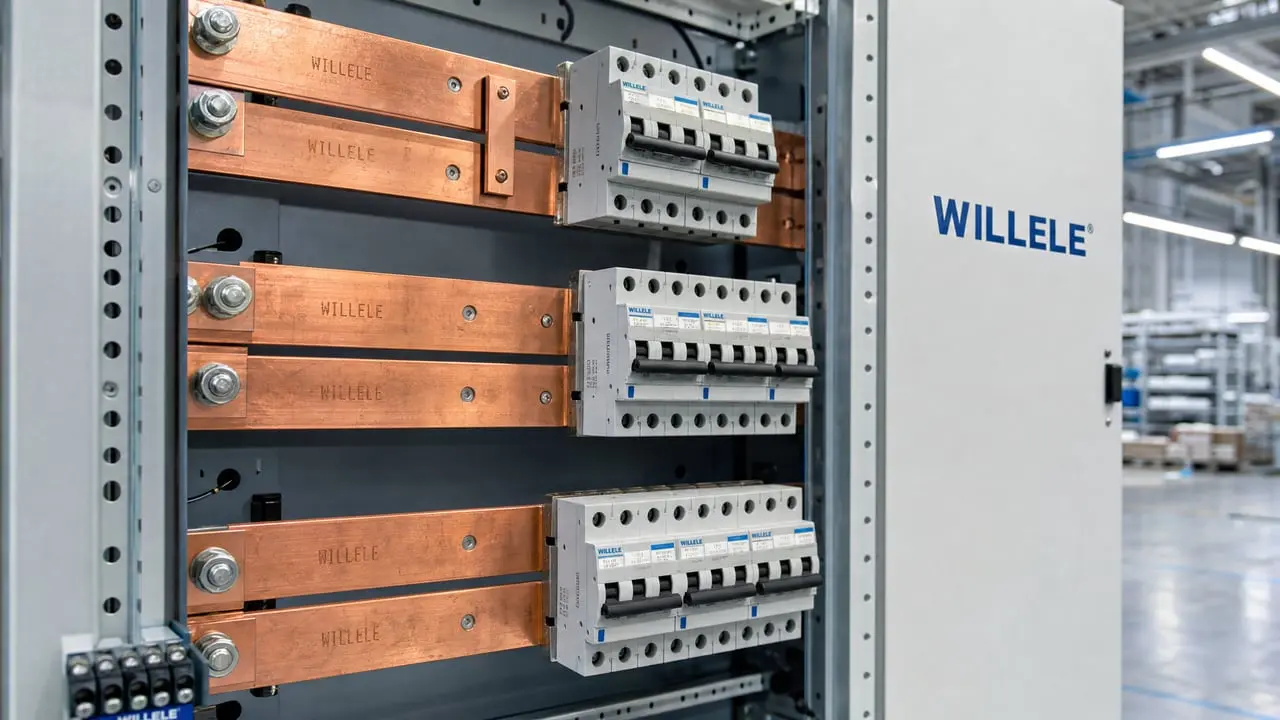
In the rapidly evolving landscape of data center infrastructure, efficient and reliable power distribution has become the cornerstone of operational excellence. As computational demands surge and power densities climb beyond 20kW per rack, traditional cable-based distribution systems increasingly struggle to meet the rigorous requirements of modern facilities. MCB busbars—metallic conductor systems that distribute electrical current from main supplies to multiple miniature circuit breakers—have emerged as the preferred solution for data centers seeking superior performance, space efficiency, and long-term reliability.
Understanding MCB Busbar Systems in Data Center Environments
MCB busbars are rigid or semi-rigid conductor bars, typically manufactured from copper or aluminum, designed to handle high current loads with exceptional efficiency. Unlike conventional cable systems that require multiple parallel runs to achieve adequate capacity, busbars provide a compact, organized pathway for electricity distribution. In data center applications, these systems serve as the central hub connecting main power supplies to distribution panels, PDUs (power distribution units), and ultimately to server racks and networking equipment.
The fundamental advantage of busbar systems lies in their ability to deliver higher power density in significantly less physical space. A single busbar trunking section can replace multiple large cable runs, freeing valuable floor area and reducing the complexity of electrical infrastructure. This space efficiency translates directly into cost savings and improved operational flexibility—critical factors in facilities where every square meter carries substantial value.
Modern data centers typically deploy MCB busbars in three primary configurations: main distribution busbars connecting transformers to switchgear, panelboard busbars distributing power to branch circuits, and overhead or underfloor busway systems delivering electricity directly to server cabinets. Each configuration addresses specific distribution challenges while maintaining the core benefits of reduced footprint, simplified installation, and enhanced thermal management.
Key Advantages of Busbar Systems Over Traditional Cabling
Space Efficiency and Power Density
The compact design of busbar systems represents a transformative advantage for data center operators. Where distributing 1600A might require multiple bulky cable trays occupying substantial ceiling or floor space, an equivalent busbar system achieves the same capacity in a single, slim trunking section. This dramatic reduction in physical footprint allows for smaller riser shafts in multi-story facilities, lower ceiling voids, and critically, more space for revenue-generating IT equipment.
In hyperscale and colocation environments where rack density continues to climb, the space saved by busbar implementation can translate into additional server capacity without expanding the facility footprint. The reduced vertical space requirements also simplify building design, potentially lowering construction costs and improving overall facility efficiency.
Superior Thermal Performance and Energy Efficiency
Busbar systems operate at lower temperatures compared to cable-based distribution, primarily due to their superior heat dissipation characteristics and lower overall resistance. The elimination of multiple crimped joints—common failure points in cable systems where resistance increases over time—ensures consistent electrical performance throughout the system’s operational life.
This thermal advantage yields measurable energy savings. Busbars typically achieve up to 99% energy efficiency, with resistance losses significantly lower than equivalent cable installations. While a 1% efficiency improvement might appear modest, for a 24/7 data center consuming megawatts of power, this translates into thousands of dollars in annual electricity savings and reduced cooling requirements. Lower operating temperatures also extend equipment lifespan and reduce the risk of thermal-related failures during peak load conditions.
Enhanced Reliability and Fault Current Withstand
Data center operations demand uninterrupted power delivery. Busbar systems excel in high-fault-current environments due to their rigid mechanical construction. When properly supported by insulators and mounting hardware, copper or aluminum bars withstand short-circuit forces that would cause flexible cables to whip violently, potentially tearing connections or damaging surrounding equipment.
The mechanical stability of busbars, combined with their lower impedance design, reduces arc flash risk during installation and maintenance operations. Modern busbar trunking systems incorporate safety features such as “earth first, break last” connection sequences, ensuring that tap-off units maintain proper grounding throughout the installation process. This inherent safety advantage protects both personnel and critical infrastructure during routine maintenance and emergency scenarios.
Installation Speed and Scalability
Busbar systems significantly reduce installation time compared to traditional cabling. Modular busway sections arrive pre-fabricated with integrated insulation and connection points, eliminating the time-consuming processes of pulling cables, making terminations, and testing individual conductors. Installation teams can complete busbar runs in a fraction of the time required for equivalent cable installations.
This rapid deployment advantage extends to system modifications and expansions. Adding new distribution points to a busbar system typically involves installing tap-off boxes at designated locations along the busway—a process that can be completed without de-energizing the entire system in many designs. This flexibility supports the dynamic nature of data center operations, where equipment configurations frequently change to accommodate new technologies and shifting workload demands.
MCB Busbar Distribution Topologies for Data Centers
Data center designers typically choose between two primary busbar distribution topologies, each offering distinct advantages based on facility requirements, cooling strategies, and operational priorities.
Overhead Busbar Distribution
Overhead busbar systems mount along ceiling structures or overhead support frameworks, delivering power from above to server racks and equipment cabinets. This topology maximizes usable floor space and eliminates potential conflicts with underfloor cooling airflow—a critical consideration in facilities employing raised floor cooling strategies.
The overhead approach provides excellent accessibility for maintenance and modifications. Technicians can inspect connections, install tap-off units, and troubleshoot issues without disrupting floor-level operations or accessing confined spaces beneath raised floors. This topology also supports higher capacity installations, as ceiling-mounted systems face fewer space constraints than underfloor alternatives.
However, overhead distribution requires careful coordination with other ceiling-mounted infrastructure including cable trays, HVAC ducting, and lighting systems. Proper planning during the design phase ensures adequate clearances and maintains accessibility for all systems throughout the facility’s operational life.
Underfloor Busbar Distribution
Underfloor busbar systems route power beneath raised floors, providing a clean aesthetic and preserving overhead space for cooling infrastructure. This topology offers exceptional flexibility for equipment arrangement, as power distribution is not restricted to specific overhead locations. Facilities can reconfigure server layouts without major electrical infrastructure modifications.
The primary consideration with underfloor distribution involves managing potential airflow obstructions. Careful design must ensure that busbar installations do not impede cool air delivery to IT equipment. When properly implemented with appropriate clearances and airflow management strategies, underfloor busbar systems effectively balance power distribution needs with thermal management requirements.
Underfloor systems also simplify cable management by consolidating power distribution pathways with data cabling routes. This integrated approach reduces visual clutter and streamlines maintenance procedures, though it requires more careful planning to prevent interference between power and data systems.
Critical Components and Insulation Requirements
Heat Shrink Tube Applications in Busbar Systems
Proper insulation represents a non-negotiable requirement for safe busbar operation in data center environments. Heat shrink tubes have become the preferred insulation solution due to their superior electrical properties, mechanical durability, and ease of installation. These specialized tubes provide robust protection for main distribution busbars, panelboard connections, and transformer secondary terminals where high current densities demand reliable insulation performance.
Modern heat shrink insulation systems offer excellent dielectric strength, typically rated for voltages up to 1kV and beyond, while maintaining flexibility during installation. The shrinking process creates a tight, conforming layer that eliminates air gaps—potential sites for partial discharge and insulation breakdown. This intimate contact between insulation and conductor also improves heat dissipation compared to loose-fitting alternatives.
Willele specializes in manufacturing high-performance heat shrink tubes specifically engineered for busbar applications. Our products meet stringent international standards including UL, IEC, and CSA certifications, ensuring compliance with data center electrical codes worldwide. The chemical resistance and flame-retardant properties of Willele heat shrink tubes provide long-term reliability in demanding data center environments where temperature fluctuations, humidity variations, and potential chemical exposures challenge inferior insulation materials.
Connection Points and Tap-Off Systems
The interfaces between busbars and circuit breakers require careful engineering to ensure reliable electrical contact and mechanical stability. Modern MCB busbar systems employ standardized connection points that accommodate various breaker types and ratings, facilitating system flexibility and future modifications.
Tap-off units—devices that connect to busbars to create distribution points—incorporate multiple safety features including integrated MCBs, visual isolation indicators, and mechanical interlocks. These units allow technicians to safely add or remove circuits while the main busbar remains energized, minimizing disruption to operational equipment. The “earth first, break last” design ensures proper grounding sequence during connection and disconnection procedures, protecting personnel from electrical hazards. Comparison: Busbar vs. Cable Distribution Systems
| Criteria | MCB Busbar Systems | Traditional Cable Systems |
|---|---|---|
| Current Capacity | Up to 6300A in single run | Requires multiple parallel cables beyond 800A |
| Space Requirements | Compact; 60-70% less space | Bulky cable trays and conduits |
| Installation Time | 40-50% faster with modular sections | Labor-intensive pulling and termination |
| Energy Efficiency | Up to 99%; lower resistance | 95-97%; higher losses at joints |
| Thermal Performance | Superior heat dissipation; lower operating temp | Higher temperatures; requires derating |
| Maintenance Access | Easy inspection; visible connections | Difficult access; hidden terminations |
| Modification Flexibility | Tap-off units enable easy additions | Requires new cable runs and terminations |
| Short-Circuit Withstand | Rigid construction; mechanically braced | Flexible; potential for violent movement |
| Initial Cost | Higher material cost | Lower material cost |
| Lifecycle Cost | Lower due to efficiency and maintenance | Higher due to energy losses and labor |
| Scalability | Excellent; modular expansion | Limited; requires significant rework |
This comparison demonstrates why data centers increasingly favor busbar systems despite higher initial material costs. The operational advantages—reduced energy consumption, faster installation, simplified maintenance, and superior scalability—deliver compelling return on investment over the facility’s operational lifetime.
Design Considerations for Data Center Busbar Implementation
Current Rating and Load Calculations
Proper busbar sizing begins with accurate load assessment. Data center designers must account not only for current operational loads but also for future expansion and redundancy requirements. Modern facilities often implement N+1 or 2N redundancy configurations to ensure continuous operation during equipment failures or maintenance activities.
Busbar current ratings depend on conductor material, cross-sectional area, ambient temperature, and installation method. Copper busbars offer superior conductivity compared to aluminum alternatives, though aluminum systems provide cost advantages in some applications. The selection process must balance electrical performance, weight considerations, and budget constraints while ensuring adequate capacity for peak loads and transient conditions.
Thermal rise calculations prove critical in high-density environments. Busbars must dissipate heat effectively to prevent insulation degradation and maintain safe operating temperatures. Proper spacing between conductors, adequate ventilation, and appropriate insulation materials all contribute to thermal management. Willele’s heat shrink insulation products feature high-temperature ratings that maintain integrity even under sustained high-load conditions, ensuring long-term system reliability.
Safety Standards and Compliance
Data center busbar installations must comply with multiple industry standards and local electrical codes. Key standards include IEC 61439 for low-voltage switchgear and controlgear assemblies, UL 857 for busways, and NFPA 70 (National Electrical Code) requirements for electrical installations. International facilities may also need to meet regional standards such as BS EN 61439 in Europe or AS/NZS 3000 in Australia and New Zealand.
Compliance verification should include documentation of component certifications, installation procedures, and testing protocols. Proper labeling, clear identification of voltage levels, and appropriate warning signage protect maintenance personnel and ensure safe operation throughout the system’s lifecycle. Regular inspection and testing programs maintain compliance and identify potential issues before they compromise system integrity.
Integration with Monitoring Systems
Modern data centers increasingly integrate power distribution systems with real-time monitoring platforms. Advanced busbar installations can incorporate current sensors, temperature monitors, and power quality analyzers at critical distribution points. This instrumentation provides facility managers with detailed visibility into electrical system performance, enabling predictive maintenance and rapid fault identification.
Monitoring data supports capacity planning by revealing actual load patterns and identifying underutilized circuits. Temperature monitoring detects developing problems such as loose connections or overloaded conductors before they cause failures. When integrated with building management systems, busbar monitoring contributes to overall facility optimization, supporting both operational efficiency and sustainability goals.
Industry Applications Beyond Data Centers
While this article focuses on data center applications, MCB busbar systems deliver value across diverse industries. Commercial buildings employ busbars for main distribution panels serving lighting, HVAC systems, and office equipment. Manufacturing facilities rely on busbar systems to distribute power to production machinery, motor control centers, and process equipment where reliability directly impacts productivity.
Renewable energy installations utilize busbars in solar inverter systems and wind farm distribution networks. The low-loss characteristics of busbar systems maximize energy harvest efficiency—a critical consideration when every percentage point of efficiency affects project economics. Industrial facilities with high power demands, such as semiconductor manufacturing and chemical processing plants, depend on busbar systems to deliver stable, reliable power to sensitive equipment.
Future Trends in Busbar Technology
The evolution of busbar systems continues as data centers push toward higher power densities and improved sustainability. Emerging trends include modular busbar designs that simplify installation and reconfiguration, advanced insulation materials offering superior thermal and electrical performance, and integrated smart monitoring capabilities providing unprecedented visibility into system operation.
High-temperature insulation materials extend busbar capacity without increasing physical size—a valuable advantage in space-constrained facilities. Busbar adapters and standardized connection interfaces simplify integration with circuit breakers and switchgear from multiple manufacturers, reducing vendor lock-in and improving system flexibility.
As data centers embrace renewable energy sources and implement microgrids, busbar systems will play increasingly important roles in managing bidirectional power flows and integrating energy storage systems. The inherent efficiency and reliability of busbar distribution align perfectly with sustainability goals, supporting the industry’s transition toward carbon-neutral operations.
Frequently Asked Questions
Q: What is the typical lifespan of a busbar system in a data center?
A: Properly installed and maintained busbar systems typically operate reliably for 25-30 years or longer. The rigid construction and absence of flexible components that degrade over time contribute to exceptional longevity. Regular inspection of connections and insulation ensures continued safe operation throughout the system’s service life.
Q: Can busbar systems be installed in existing data centers, or are they only suitable for new construction?
A: Busbar systems can be retrofitted into existing facilities, though the process requires careful planning to minimize disruption. Overhead busway installations often prove easier to implement in operational data centers compared to underfloor systems. Modular designs facilitate phased implementation, allowing facilities to upgrade power distribution incrementally.
Q: How does busbar insulation, particularly heat shrink tubes, protect against electrical hazards?
A: Heat shrink tube insulation provides multiple layers of protection. The dielectric strength prevents electrical breakdown and short circuits, while the physical barrier protects against accidental contact. Flame-retardant properties limit fire propagation in fault conditions. Willele heat shrink tubes meet stringent safety standards, offering reliable protection in demanding data center environments where electrical safety is paramount.
Q: What maintenance procedures do busbar systems require?
A: Busbar maintenance typically includes periodic visual inspections for physical damage or corrosion, thermal imaging to identify hot spots indicating loose connections, torque verification of bolted joints, and insulation resistance testing. These procedures are generally less time-consuming than cable system maintenance, contributing to lower lifecycle costs.
Q: Are busbar systems more expensive than traditional cabling?
A: Initial material costs for busbar systems typically exceed cable alternatives. However, total cost of ownership favors busbars due to faster installation (reducing labor costs), higher energy efficiency (lowering operational expenses), simplified maintenance, and superior scalability. Most data center operators realize positive return on investment within 3-5 years of operation.
