
Data Center Cable Management with Heat Shrink Tubing

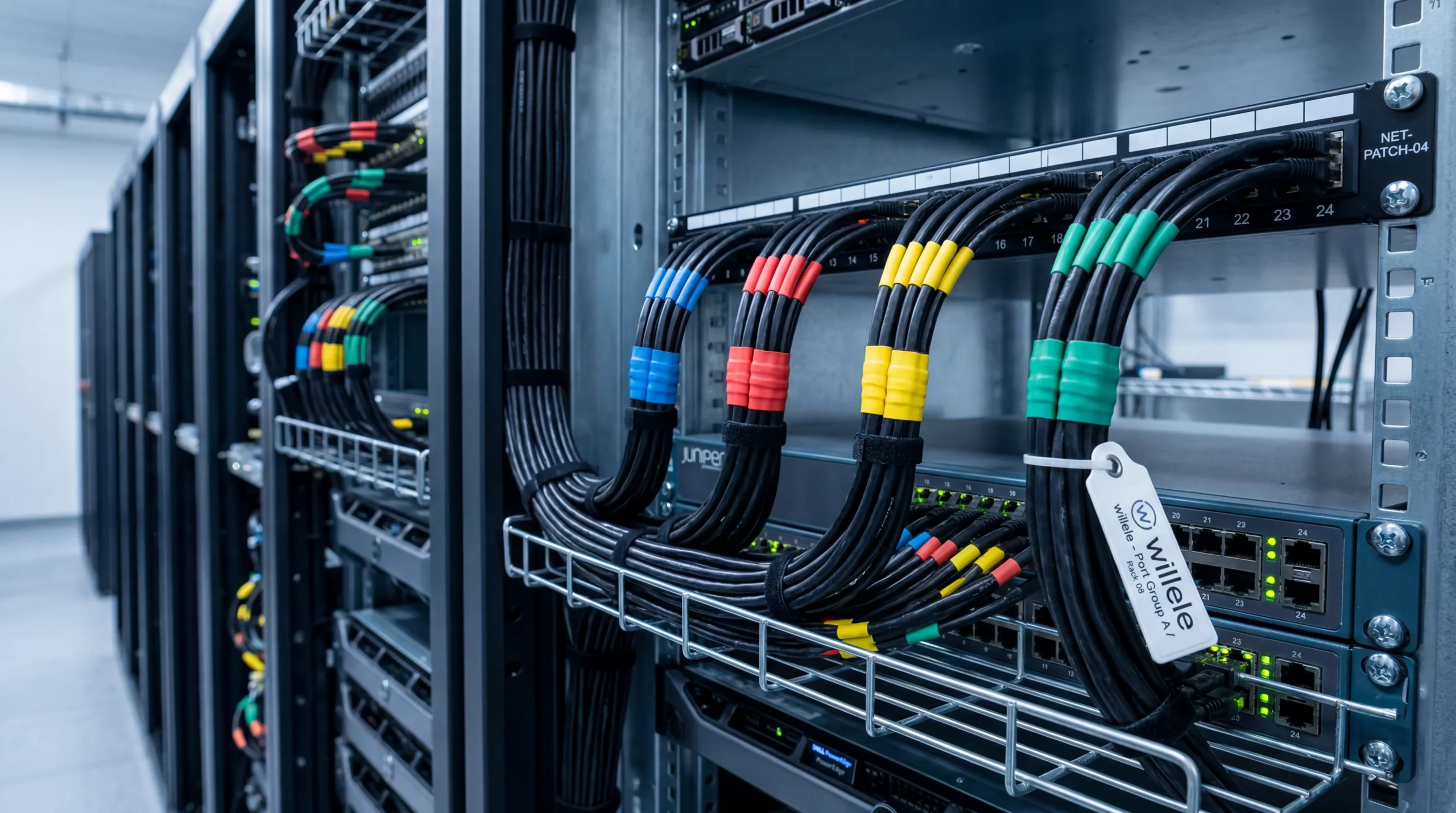
In the rapidly evolving landscape of modern data centers, effective cable management has become a critical factor in maintaining operational efficiency, ensuring system reliability, and optimizing cooling performance. Among the various solutions available to data center managers and engineers, heat shrink tubing stands out as an indispensable tool that addresses multiple challenges simultaneously. This comprehensive guide explores how heat shrink tubing revolutionizes data center cable management, offering practical insights for infrastructure professionals seeking to enhance their facilities’ performance and longevity.
Understanding Heat Shrink Tubing in Data Center Environments
Heat shrink tubing is a thermoplastic sleeve that contracts radially when exposed to heat, conforming tightly to the shape of cables, wires, or components it encases. Manufactured through a sophisticated cross-linking process, these tubes are expanded during production and retain their enlarged diameter until heat application triggers the “memory effect,” causing them to shrink to approximately 50% of their expanded diameter.
The fundamental principle behind heat shrink tubing involves molecular restructuring. During manufacturing, the polymer material undergoes radiation cross-linking, creating strong molecular bonds that provide enhanced mechanical strength, chemical resistance, and thermal stability. When heated to the specified activation temperature—typically ranging from 90°C to 150°C depending on the material composition—the tubing shrinks uniformly, creating a protective barrier that securely fits around the substrate.
In data center applications, heat shrink tubing serves multiple critical functions beyond simple cable bundling. It provides robust insulation that prevents electrical interference, offers superior protection against environmental factors such as moisture and dust, enables clear cable identification through color coding, and maintains its integrity far longer than traditional adhesive labels that tend to peel or fade over time.
The Critical Role of Cable Management in Modern Data Centers
Data centers represent the backbone of contemporary digital infrastructure, housing thousands of interconnected servers, switches, routers, and storage systems. Within these facilities, cable management directly impacts several critical operational parameters that determine overall performance and cost-efficiency.
Proper cable organization significantly influences cooling efficiency, which accounts for a substantial portion of data center operational expenses. When cables are haphazardly arranged, they obstruct airflow pathways, creating hot spots that force cooling systems to work harder and consume more energy. Organized cable routing using heat shrink tubing for bundling and identification allows for optimized air circulation, reducing cooling loads and lowering energy costs.
Network reliability and uptime depend heavily on cable management quality. Tangled or poorly organized cables increase the risk of accidental disconnections during maintenance activities, make troubleshooting significantly more time-consuming, and can lead to physical damage from excessive bending or stress. Heat shrink tubing provides strain relief at connection points and protects cables from abrasion, directly contributing to reduced downtime and improved system reliability.
Scalability and future expansion planning require thoughtful cable management from the outset. Data centers must accommodate continuous growth and technology upgrades without complete infrastructure overhauls. A well-organized cabling system using heat shrink tubing for permanent labeling and protection facilitates easier additions and modifications, reducing the time and cost associated with infrastructure changes.
Safety considerations cannot be overlooked. Poorly managed cables create tripping hazards for technicians, increase fire risks when cables overheat due to poor ventilation, and complicate emergency response procedures. Systematic cable management using appropriate fastening and protection methods, including heat shrink tubing, creates a safer working environment and ensures compliance with building codes and industry standards.
Heat Shrink Tubing Materials and Specifications for Data Centers
Selecting the appropriate heat shrink tubing material is crucial for data center applications, as different materials offer distinct performance characteristics suited to specific environmental conditions and functional requirements.
Polyolefin Heat Shrink Tubing
Polyolefin represents the most commonly used material for data center cable management applications. This versatile material offers an excellent balance of performance characteristics and cost-effectiveness, making it the default choice for most standard applications. Polyolefin heat shrink tubing typically features a 2:1 shrink ratio, though high-grade variants with 3:1 ratios are available for applications requiring greater flexibility in sizing.
The activation temperature for polyolefin tubing is approximately 143°C (289°F), which allows for safe application using standard heat guns without risk of damaging underlying cables. The material provides reliable insulation and protection across a continuous-use temperature range of -55°C to 135°C (-67°F to 275°F), accommodating the typical operating conditions found in climate-controlled data center environments.
One consideration with polyolefin is its limited UV resistance, except for black-colored variants. For data center applications where cables are primarily located indoors and protected from direct sunlight, this limitation rarely presents practical concerns. However, for any outdoor cable runs or areas with significant UV exposure, black polyolefin or alternative materials should be specified.
PVC Heat Shrink Tubing
Polyvinyl chloride (PVC) heat shrink tubing offers the most economical option for budget-conscious data center projects. However, this cost advantage comes with certain performance trade-offs that must be carefully evaluated. PVC is classified as a “low-shrink” material, typically achieving only a 2:1 shrink ratio and sometimes less, which limits its ability to conform tightly to irregular shapes or accommodate significant size variations.
The temperature range for PVC tubing is more limited compared to polyolefin, making it less suitable for environments with extreme temperature fluctuations. However, PVC maintains reasonable flexibility even after shrinking, which can be advantageous in applications where cables experience regular movement or vibration. For large-scale data center deployments where cost control is paramount and performance requirements are moderate, PVC heat shrink tubing can provide adequate protection for cable bundling and basic identification purposes.
Fluoropolymer Heat Shrink Tubing
For mission-critical applications requiring superior performance characteristics, fluoropolymer heat shrink tubing—including FEP (Fluorinated Ethylene Propylene) and PVDF (Polyvinylidene Fluoride)—represents the premium choice. These advanced materials offer exceptional chemical resistance, making them ideal for data centers located in industrial environments or facilities where exposure to cleaning agents and other chemicals is common.
FEP heat shrink tubing demonstrates remarkable versatility as an electrical insulator while remaining inert to most chemicals and solvents. Its outstanding resistance to extreme temperatures, both hot and cold, along with superior UV resistance, makes it suitable for specialized data center applications including outdoor cable runs, rooftop installations, and areas with harsh environmental conditions.
PVDF tubing is specifically engineered for high-temperature applications, with continuous-use temperature ratings that exceed standard polyolefin by significant margins. In data centers with high-density computing equipment that generates substantial heat, PVDF heat shrink tubing provides reliable long-term protection without degradation. The higher activation temperatures required for fluoropolymer materials (typically 170°C to 343°C) necessitate careful application procedures and appropriate heat sources.
Sizing and Selection Guidelines
Proper sizing is fundamental to achieving optimal performance from heat shrink tubing in data center applications. The selection process requires careful measurement and understanding of shrink ratios to ensure the tubing fits correctly both before and after heat application.
Understanding Shrink Ratios
Heat shrink tubing is specified by its shrink ratio, expressed as two numbers separated by a colon (e.g., 2:1, 3:1, 4:1). The first number represents the supplied (expanded) diameter, while the second number indicates the recovered (shrunk) diameter. A 2:1 shrink ratio means the tubing will shrink to half its original diameter, while a 3:1 ratio provides even greater reduction, offering more flexibility in accommodating different cable sizes with a single tubing size.
For data center applications, understanding shrink ratios becomes particularly important when dealing with cables that have connectors or when bundling multiple cables together. The tubing must be large enough to slide over the widest point of the assembly—typically the connector—yet shrink sufficiently to grip tightly at the narrowest point, which is usually the cable itself.
Measurement Procedures
Accurate measurement is essential for selecting the correct heat shrink tubing size. For individual cables, measure the diameter at the cable’s widest point using digital calipers or a ruler. If the cable includes a connector, measure the connector at its widest dimension where the heat shrink tubing will need to pass over it. This measurement determines the minimum supplied diameter required for the tubing.
When bundling multiple cables together, calculate the total bundle diameter by arranging the cables as they will be positioned in the final installation and measuring across the entire group. Add approximately 10-20% to this measurement to account for slight variations in cable positioning and to ensure the tubing can be easily installed before shrinking.
The 80:20 Selection Rule
Professional cable management practitioners often apply the “80:20 rule” when selecting heat shrink tubing sizes. This guideline suggests that optimal performance is achieved when the supplied diameter is approximately 80% larger than the object being covered, and the recovered diameter is approximately 20% smaller. This sizing approach ensures the tubing can be easily installed while providing sufficient shrinkage to create a tight, secure fit.
For example, when covering a cable with a 5mm diameter, a heat shrink tube with a supplied diameter of 6mm and recovered diameter of 2mm (size 6/2) would be appropriate, as the cable diameter falls within the optimal shrink range of 2.8mm to 5.2mm. Selecting a size with a minimum recovered diameter larger than the cable diameter (such as 12/4, which has a minimum recovered diameter of 5.6mm) would result in loose fitting and inadequate protection.
Application Techniques for Data Center Cable Management
Proper application of heat shrink tubing is as important as selecting the correct material and size. Following established procedures ensures reliable performance and professional results that will endure throughout the cable installation’s service life.
Preparation and Installation
Before applying heat shrink tubing, thoroughly clean the cable surface to remove any dirt, oil, or contaminants that could interfere with adhesion or cause premature degradation. For adhesive-lined heat shrink tubing, surface preparation is particularly critical, as the adhesive requires clean contact surfaces to form a proper seal.
Cut the heat shrink tubing to the appropriate length, allowing for slight overlap if covering a splice or connection point. For cable identification applications, shorter lengths are typically sufficient, while strain relief and environmental protection applications may require longer sections. When working with pre-terminated cables, slide the tubing onto the cable before making final connections, as it cannot be installed after connectors are attached.
Position the tubing precisely over the area requiring protection or identification. For splice protection, center the tubing over the splice point with equal coverage on both sides. For cable bundling applications, arrange all cables in their final configuration before sliding the tubing over the entire bundle.
Heat Application Methods
The most common method for shrinking tubing in data center environments is using an electric heat gun. Set the heat gun to the appropriate temperature for the tubing material—typically 90-120°C for polyolefin and higher temperatures for fluoropolymer materials. Maintain a distance of 15-20cm (6-8 inches) between the heat gun and the tubing to ensure even heating without localized overheating.
Apply heat gradually, moving the heat gun in a sweeping motion along the length of the tubing. Start at one end and work toward the other, allowing the tubing to shrink progressively. This technique prevents air pockets from becoming trapped inside the tubing. For adhesive-lined tubing, continue heating until you observe adhesive flowing from the ends of the tubing, indicating complete activation and sealing.
For large-scale data center installations involving numerous cable terminations, heat shrink ovens or heat tunnels may provide more consistent results and improved efficiency. These specialized tools maintain precise temperature control and ensure uniform shrinkage across all surfaces simultaneously.
Quality Verification
After application, inspect the heat shrink tubing to verify proper installation. The tubing should conform smoothly to the cable contours without wrinkles, bubbles, or loose areas. For adhesive-lined products, confirm that adhesive is visible at both ends, indicating complete sealing. Check that the tubing has not shrunk excessively, which could indicate overheating and potential material degradation.
For critical applications, consider documenting the installation with photographs and recording details such as tubing type, size, and installation date. This documentation proves valuable for future maintenance activities and helps establish consistent practices across the data center facility.
Comparison of Cable Management Solutions
Data center managers have several options for cable organization and protection. Understanding the relative advantages and limitations of each solution helps in making informed decisions for specific applications.
| Solution | Durability | Installation Speed | Reusability | Cost | Best Use Case |
|---|---|---|---|---|---|
| Heat Shrink Tubing | Excellent (5-10+ years) | Moderate | No | Moderate | Permanent installations, cable identification, environmental protection |
| Cable Ties (Zip Ties) | Good (2-5 years) | Fast | No | Low | Temporary bundling, quick installations |
| Velcro Wraps | Good (3-7 years) | Fast | Yes | Moderate | Frequently modified installations, temporary setups |
| Cable Combs | Excellent (10+ years) | Slow | Yes | High | Aesthetic installations, high-visibility areas |
| Adhesive Labels | Poor (1-3 years) | Very Fast | No | Low | Temporary identification, non-critical labeling |
Heat shrink tubing excels in applications requiring long-term durability and professional appearance. Unlike adhesive labels that peel and fade, heat shrink maintains legibility and integrity throughout its service life. While cable ties offer faster installation, they can damage cables through excessive compression and lack the environmental protection that heat shrink provides. Velcro wraps provide reusability advantages for frequently reconfigured installations but offer minimal protection against environmental factors.
Best Practices for Data Center Cable Management with Heat Shrink Tubing
Implementing systematic cable management practices using heat shrink tubing requires attention to planning, execution, and documentation. These best practices help ensure optimal results and long-term success.
Planning and Design Phase
Begin every data center cable management project with comprehensive planning. Map out cable routes considering current requirements and future expansion needs. Identify areas where heat shrink tubing will provide the greatest benefit, such as high-density cable bundles, areas prone to moisture exposure, and locations requiring clear identification for rapid troubleshooting.
Establish a consistent color-coding scheme for cable identification using heat shrink tubing. Assign specific colors to different cable types (power, data, fiber optic), network zones, or equipment categories. Document this scheme thoroughly and ensure all team members understand and follow it consistently. This standardization dramatically reduces troubleshooting time and minimizes the risk of accidental disconnections during maintenance activities.
Calculate required quantities of heat shrink tubing in various sizes and colors before beginning installation. Ordering adequate supplies prevents project delays and ensures consistency in materials throughout the installation. Consider maintaining an inventory of commonly used sizes and colors for ongoing maintenance and expansion activities.
Installation Phase
Implement cable management measures systematically, using cable trays, racks, and organized routing to prevent cables from becoming tangled. Apply heat shrink tubing to bundle related cables together, keeping groups manageable in size to maintain flexibility and facilitate future modifications. Avoid creating bundles so large that they impede airflow or become difficult to work with during maintenance.
Maintain appropriate service loops at connection points to accommodate equipment movement and replacement without requiring cable reinstallation. Apply heat shrink tubing to these service loops for identification and protection while ensuring the loops remain accessible and properly organized.
Label cables at both ends using heat shrink tubing with printed or embossed identification. This dual-labeling approach enables rapid identification regardless of which end of the cable is accessible, significantly reducing troubleshooting time. For long cable runs, consider adding intermediate identification points at regular intervals or at junction boxes.
Maintenance and Documentation
Create comprehensive documentation of the cable management system, including cable routing diagrams, color-coding schemes, and heat shrink tubing specifications used throughout the facility. Store this documentation in both physical and digital formats, ensuring it remains accessible to all personnel who may need to perform maintenance or modifications.
Establish regular inspection schedules to verify the integrity of heat shrink tubing and overall cable management. Look for signs of degradation, damage, or areas where additional protection may be needed. Address any issues promptly to prevent minor problems from escalating into significant failures.
When performing modifications or additions to the data center infrastructure, maintain consistency with established cable management practices. Use the same heat shrink tubing materials, sizes, and color-coding schemes to ensure the installation remains uniform and professional throughout its lifecycle.
Advanced Applications and Specialized Uses
Beyond basic cable bundling and identification, heat shrink tubing serves several specialized functions in data center environments that address unique challenges and requirements.
Environmental Sealing and Moisture Protection
In data centers with raised floor designs or facilities located in humid climates, moisture intrusion poses a significant risk to cable integrity and system reliability. Adhesive-lined heat shrink tubing creates a waterproof seal at cable entry points, splice locations, and terminations, preventing moisture penetration that could lead to corrosion and electrical failures.
Dual-wall heat shrink tubing combines an outer protective layer with an inner adhesive layer that melts during heat application, flowing to fill gaps and create a complete environmental seal. This configuration provides superior protection for critical connections and is particularly valuable for cables that transition between different environmental zones within the facility.
Strain Relief and Mechanical Protection
Cable connection points represent vulnerable areas where mechanical stress can cause failures over time. Heat shrink tubing with thicker walls provides strain relief by distributing mechanical loads over a larger area, reducing stress concentration at connector interfaces. This protection is especially important for cables that experience regular movement or vibration from nearby equipment.
For cables routed through areas with potential abrasion hazards—such as edges of cable trays or locations where cables may contact sharp surfaces—heavy-wall heat shrink tubing offers robust mechanical protection that extends cable service life significantly.
High-Temperature Applications
Data centers with high-density computing equipment generate substantial heat, particularly in areas immediately surrounding server racks and network equipment. Standard cable insulation may degrade when exposed to elevated temperatures over extended periods. High-temperature heat shrink tubing materials, such as PVDF or specialized polyolefin formulations, maintain their protective properties and mechanical strength even in these demanding thermal environments.
When routing cables near heat-generating equipment or in areas with limited cooling, specify heat shrink tubing with temperature ratings that exceed the maximum expected environmental temperature by a comfortable margin. This conservative approach ensures reliable long-term performance without premature degradation.
Cost-Benefit Analysis and Return on Investment
While heat shrink tubing represents a higher initial investment compared to some alternative cable management solutions, the long-term benefits typically justify the additional cost through reduced maintenance expenses, improved system reliability, and extended cable service life.
Direct Cost Savings
The durability of heat shrink tubing eliminates the need for frequent replacement that adhesive labels require. In a typical data center environment, adhesive labels may need replacement every 1-3 years as they peel, fade, or become illegible. Heat shrink tubing maintains its integrity and legibility for 5-10 years or longer, reducing both material costs and labor expenses associated with re-labeling activities.
Reduced troubleshooting time translates directly to cost savings through improved technician productivity. When cables are clearly identified with durable heat shrink labels and properly organized with heat shrink bundling, technicians can locate and trace connections significantly faster than in poorly managed installations. This efficiency becomes particularly valuable during emergency situations where rapid problem resolution is critical.
Indirect Benefits
Improved cable management using heat shrink tubing contributes to better cooling efficiency by maintaining clear airflow pathways. While difficult to quantify precisely, even modest improvements in cooling efficiency can result in substantial energy cost savings given the continuous operation of data center cooling systems. Some facilities report cooling cost reductions of 5-15% after implementing comprehensive cable management improvements.
Enhanced system reliability and reduced downtime provide perhaps the most significant return on investment, though these benefits are often difficult to calculate directly. Preventing even a single major outage caused by cable-related issues can justify the entire investment in proper cable management infrastructure. For mission-critical data centers where downtime costs can reach thousands or even millions of dollars per hour, the insurance value of robust cable management cannot be overstated.
Environmental Considerations and Sustainability
Modern data center operators increasingly consider environmental impact and sustainability in their infrastructure decisions. Heat shrink tubing contributes to sustainability goals through several mechanisms.
The extended service life of heat shrink tubing reduces material consumption and waste generation compared to solutions requiring frequent replacement. By maintaining cable integrity and protection for many years, heat shrink tubing helps extend the useful life of the cables themselves, deferring the environmental impact associated with cable replacement and disposal.
Many heat shrink tubing manufacturers now offer products made from recycled materials or materials that can be recycled at end-of-life. When specifying heat shrink tubing for data center projects, consider requesting information about the environmental attributes of different product options and selecting materials that align with your facility’s sustainability objectives.
The contribution of proper cable management to improved cooling efficiency directly supports energy conservation goals. By optimizing airflow and reducing cooling loads, effective cable management using heat shrink tubing helps lower the data center’s overall energy consumption and associated carbon footprint.
Future Trends and Innovations
The field of cable management continues to evolve with technological advances and changing data center requirements. Several emerging trends are shaping the future application of heat shrink tubing in data center environments.
Smart heat shrink tubing incorporating RFID tags or other identification technologies enables automated cable tracking and inventory management. These advanced products allow data center operators to maintain real-time databases of cable locations, specifications, and installation dates, facilitating more efficient maintenance planning and asset management.
Improved material formulations continue to expand the performance envelope of heat shrink tubing. New polymer blends offer enhanced properties such as greater flexibility, higher temperature resistance, improved chemical resistance, or reduced environmental impact. As data center equipment evolves and operating conditions become more demanding, these material innovations ensure heat shrink tubing remains a viable solution for emerging challenges.
The trend toward higher-density data center designs with increased cable counts per rack drives demand for more efficient cable management solutions. Ultra-thin-wall heat shrink tubing that provides adequate protection while minimizing the added bulk helps address space constraints in high-density installations. Similarly, heat shrink products designed specifically for fiber optic cables accommodate the unique requirements of these increasingly prevalent data transmission media.
Conclusion
Heat shrink tubing represents a versatile, durable, and cost-effective solution for data center cable management challenges. Its ability to provide simultaneous benefits—including cable protection, environmental sealing, strain relief, and clear identification—makes it an essential component of professional data center infrastructure.
By understanding the material options available, following proper sizing and application procedures, and implementing systematic cable management practices, data center operators can achieve significant improvements in system reliability, maintenance efficiency, and operational costs. The initial investment in quality heat shrink tubing and proper installation techniques delivers substantial returns through extended cable life, reduced downtime, improved troubleshooting efficiency, and enhanced cooling performance.
As data centers continue to grow in complexity and importance, the role of effective cable management becomes ever more critical. Heat shrink tubing, with its proven track record and continuous innovation, will remain a cornerstone technology for maintaining organized, reliable, and efficient data center infrastructure for years to come.
For data center managers, engineers, and technicians seeking to optimize their facilities’ performance, implementing comprehensive cable management practices using heat shrink tubing represents a practical, achievable step toward operational excellence. The combination of proper planning, quality materials, and systematic execution creates a foundation for reliable data center operations that can adapt to future needs while maintaining the highest standards of performance and professionalism.
Frequently Asked Questions
Q: What is the typical lifespan of heat shrink tubing in a data center environment?
A: Heat shrink tubing typically lasts 5-10 years or longer in climate-controlled data center environments. The actual lifespan depends on the material type, environmental conditions, and exposure to mechanical stress. Polyolefin and fluoropolymer materials generally provide the longest service life, while PVC may have a shorter lifespan in demanding applications.
Q: Can heat shrink tubing be removed and reused?
A: No, heat shrink tubing is a permanent solution and cannot be removed without cutting it off. Once heat is applied and the tubing has shrunk, it cannot be expanded back to its original size. For applications requiring frequent reconfiguration, consider using reusable alternatives such as Velcro wraps or cable combs, and reserve heat shrink tubing for permanent installations.
Q: What shrink ratio should I choose for data center cable management?
A: For most data center applications, 2:1 shrink ratio tubing provides adequate performance and is the most commonly available option. Choose 3:1 or 4:1 shrink ratios when you need to accommodate a wider range of cable sizes with a single tubing size, or when covering cables with connectors that are significantly larger than the cable diameter itself.
Q: Is heat shrink tubing safe to use on fiber optic cables?
A: Yes, heat shrink tubing can be safely used on fiber optic cables when applied correctly. Use low-temperature activation materials and apply heat carefully to avoid excessive temperatures that could damage the fiber. Specialized heat shrink products designed specifically for fiber optic applications are available and recommended for critical installations.
Q: How do I choose between adhesive-lined and non-adhesive heat shrink tubing?
A: Adhesive-lined heat shrink tubing is recommended for applications requiring environmental sealing, moisture protection, or strain relief, as the adhesive creates a waterproof seal. Non-adhesive tubing is suitable for cable identification, bundling, and general protection where sealing is not required. Adhesive-lined products cost more but provide superior protection in demanding environments.
Q: What is the minimum temperature rating needed for data center heat shrink tubing?
A: For climate-controlled data center environments, standard polyolefin heat shrink tubing with a continuous-use temperature range of -55°C to 135°C is typically adequate. For areas near high-heat equipment or in facilities with limited cooling, consider high-temperature materials such as PVDF that can withstand continuous exposure to elevated temperatures without degradation.
Q: Can I print directly on heat shrink tubing for cable identification?
A: Yes, many heat shrink tubing products are available with printable surfaces compatible with thermal transfer printers or industrial label printers. Pre-printed heat shrink tubing provides the most durable and professional-looking cable identification solution. Alternatively, you can use heat shrink markers designed specifically for writing on tubing surfaces before or after heat application.
