
Flame Retardant Heat Shrink Tubing: The Complete Guide (2025) – Uses, Benefits & Installation

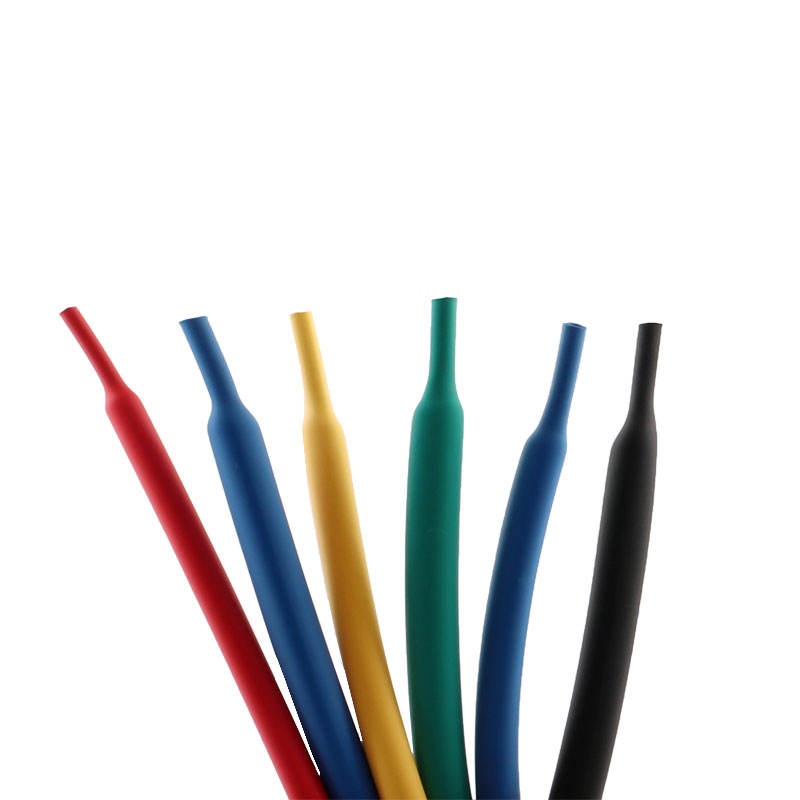
Flame Retardant Heat Shrink Tubing
When it comes to insulating and protecting electrical connections in tough environments—from industrial warehouses to underground wiring—Flame Retardant Heat Shrink Tubing stands out as a reliable, durable solution. This specialized tubing isn’t just a standard electrical accessory; it’s engineered to resist fire, seal out moisture, and withstand mechanical damage, making it a must-have for safety-critical projects. In this guide, we’ll break down everything you need to know about Flame Retardant Heat Shrink Tubing: what it is, why it matters, how to install it, and where to use it.
What Is Flame Retardant Heat Shrink Tubing?
At its core, Flame Retardant Heat Shrink Tubing is a heavy-wall, heat-activated tubing made primarily from polyolefin. Unlike regular heat shrink tubing, it includes flame-retarding additives during manufacturing—this means it won’t sustain a flame and actively prevents fire from spreading, a critical feature for electrical systems in high-risk areas.
Key traits that define quality Flame Retardant Heat Shrink Tubing include:
- High Shrink Ratios: Most options offer 2:1 or 3:1 shrinkage (shrinks to ½ or ⅓ of its original diameter), so one size fits multiple connection shapes (simplifying inventory).
- Adhesive Liner: A built-in thermoplastic adhesive melts when heated, filling gaps to create a water-tight, air-tight seal against dust, moisture, and corrosives.
- Heavy-Wall Durability: Thick polyolefin construction resists impact, abrasion, and harsh conditions (ideal for underground, submersible, or direct burial use).
- Safety Certifications: Meets global standards like UL 486D, CSA C22.2 No. 198.2, and IEEE 383 (vertical flame test) and is rated for continuous use at 1000V.
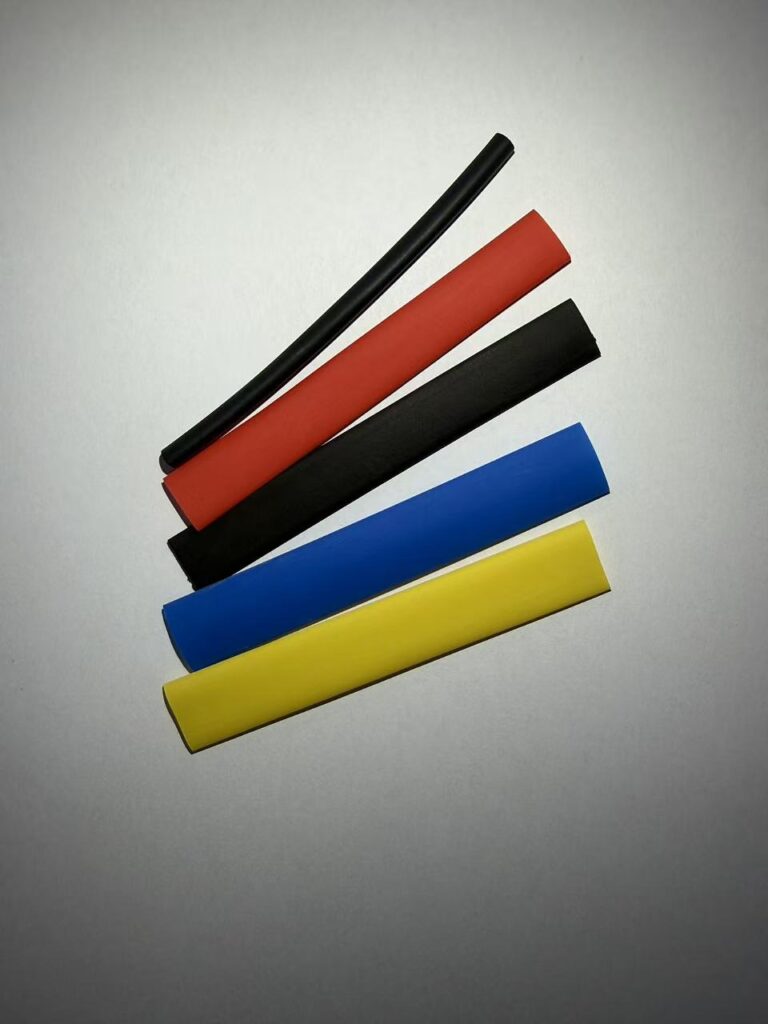
Why Choose Flame Retardant Heat Shrink Tubing?
For electrical projects where safety and longevity matter, Flame Retardant Heat Shrink Tubing outperforms standard alternatives. Here’s why it’s worth investing in:
- Maximum Fire Safety: Its self-extinguishing design eliminates fire spread risks—critical for commercial buildings, industrial facilities, or automotive wiring.
- All-Weather Protection: The adhesive liner seals out rain, humidity, and dirt, preventing corrosion of wires and splices (even in outdoor or underwater setups).
- Long-Lasting Durability: Resists mechanical wear (e.g., friction, impacts) and temperature fluctuations, so connections stay protected for years.
- Easy Installation: High shrink ratios mean fewer sizes to stock, and it shrinks without cracking—even with slight overheating.
- Reliable Insulation: Blocks electrical current leakage, safeguarding both the wiring and anyone working near it.
Top Applications of Flame Retardant Heat Shrink Tubing
Flame Retardant Heat Shrink Tubing is versatile enough for nearly any environment where electrical connections need protection. Common uses include:
- Industrial Settings: Insulating splices in factory machinery, conveyor belts, or control panels (resists oil and chemical exposure).
- Automotive & Marine: Sealing wiring in engines, boats, or RVs (withstands vibration, water, and extreme temperatures).
- Construction: Protecting underground or exterior wiring (e.g., for streetlights, HVAC systems) from dirt and moisture.
- Renewable Energy: Securing connections in solar panels or wind turbines (resists UV rays and outdoor elements).
- Electronics Repair: Fixing frayed wires in appliances, tools, or home electrical systems (adds a safe, professional seal).
How to Install Flame Retardant Heat Shrink Tubing (Step-by-Step)
Installing Flame Retardant Heat Shrink Tubing is simple—if you follow these steps to ensure a tight, effective seal:
1. Prep the Surface
Clean the wire/splice thoroughly: remove dirt, oil, or moisture. A clean surface helps the adhesive bond properly.
2. Cut the Right Length
Use a sharp tubing cutter or utility knife to cut the tubing 1–2 inches longer than the area you’re covering (prevents gaps). Make straight cuts—jagged edges break the seal.
3. Choose the Correct Size
Measure the largest diameter of your connection (e.g., a splice or connector). Pick tubing whose fully shrunk diameter is slightly smaller than this measurement (ensures a tight fit).
4. Use the Right Heat Source
A professional heat gun (with adjustable temps) is best. Avoid torches—they can burn the tubing or wire insulation. If using a torch, keep it 6–8 inches away and never touch the tubing.
5. Apply Heat Evenly
Move the heat gun back and forth (don’t focus on one spot!). For short pieces: start at one end and move to the other. For long pieces: start in the center and work outward to push out air bubbles.
6. Confirm Full Shrinkage
The tubing is ready when it’s tightly contoured to the wire. For adhesive-lined tubing, look for a small bead of adhesive oozing from both ends—this proves a complete seal.
7. Let It Cool
Allow the tubing to cool fully (5–10 minutes) before handling. This lets the adhesive set and ensures maximum protection.
Flame Retardant Heat Shrink Tubing: Core Info at a Glance
| Category | Key Details |
|---|---|
| Key Features | – Material: Polyolefin (with flame retardants)- Shrink Ratio: 2:1 / 3:1- Liner: Thermoplastic adhesive (water-tight)- Wall Type: Heavy-wall (abrasion-resistant) |
| Safety Standards | UL 486D, CSA C22.2 No. 198.2, IEEE 383 (vertical flame test)1000V continuous use rating |
| Ideal Environments | Underground, submersible, industrial, automotive, outdoor, high-heat areas |
| Installation Tools | Adjustable heat gun, tubing cutter, gloves (PPE) |
| Top Benefits | Fire resistance, moisture sealing, durability, easy installation, insulation |
Final Thoughts
Flame Retardant Heat Shrink Tubing isn’t just an accessory—it’s a safety investment. Whether you’re working on industrial wiring, automotive projects, or home repairs, it ensures your electrical connections stay protected from fire, moisture, and damage. By following the installation steps and choosing the right size, you’ll get a long-lasting seal that meets global safety standards.
Need help picking the right Flame Retardant Heat Shrink Tubing for your project? Focus on shrink ratio, adhesive liners, and certifications—these factors ensure you get a product that fits your needs.
how to use heat shrink tubings . Hope it is helpful for you .
