
Flame Retardant vs. Standard Tubing: Why WILLELE’s Flame Retardant heat shrink tubing Is Worth It Long-Term

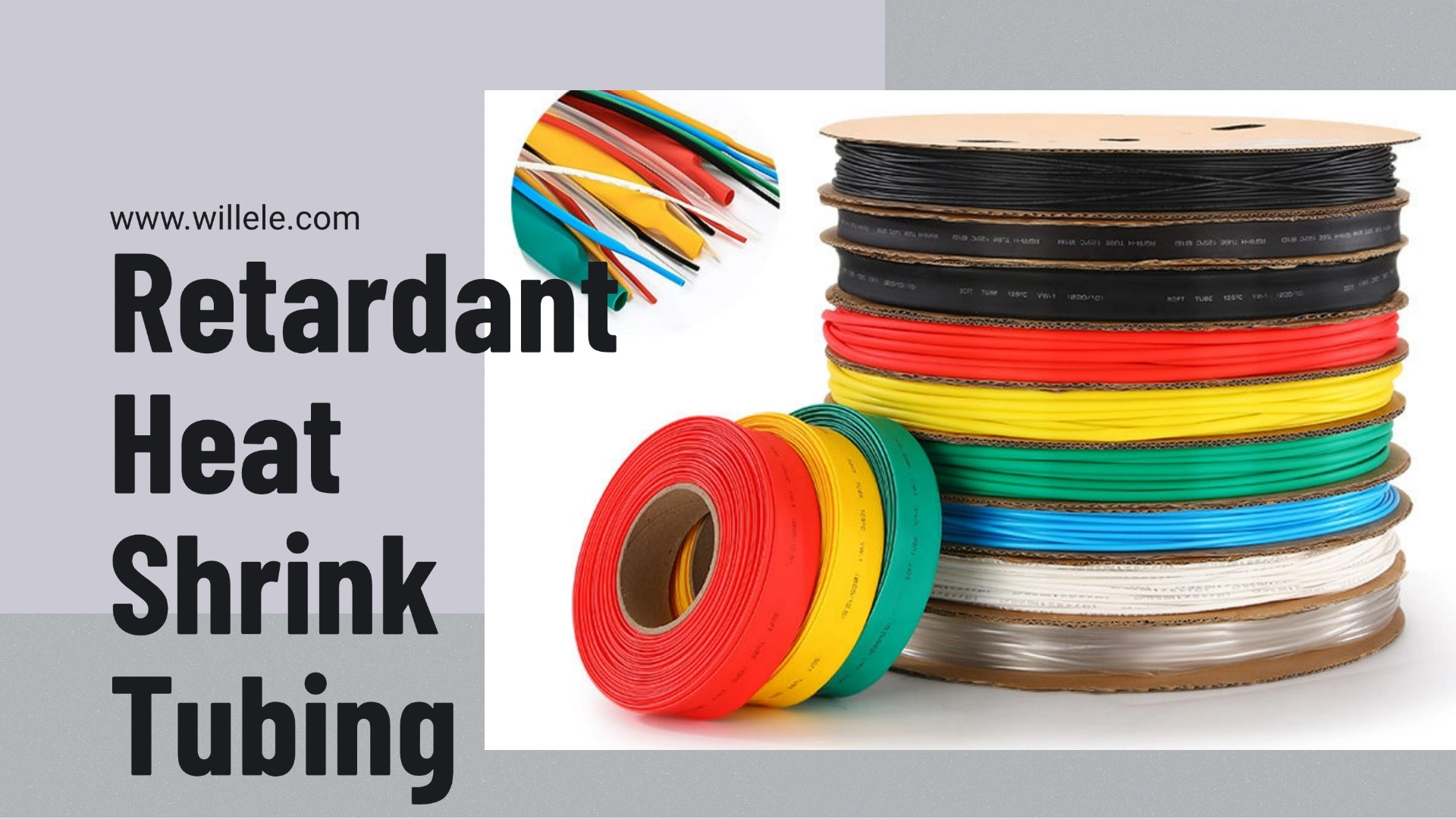
I. Flame Retardant heat shrink tubing, Don’t Just Look at the First Price—Think Total Cost
If you only care about how much you pay upfront for electrical tubing, you might pick cheap standard options (like PVC). But that’s a bad move for data centers, factories, or transit projects—here’s why.
- Standard PVC costs 20-50% less at first. But electrical fires from bad tubing cost the U.S. $1.3B in home damage yearly. For warehouses, 19% of fires start with electrical gear, and 22% of damage comes from that.
- WILLELE’s fire-resistant (FR) and low-smoke, no-halogen (LSZH) tubing costs a bit more upfront (20-50% extra). But that’s usually less than 1% of your total project budget—and it protects your expensive gear from fire, plus avoids $500K+ in downtime costs if something goes wrong.
II. Why Standard Tubing Fails (and WILLELE Doesn’t)
Cheap tubing breaks down fast. WILLELE’s stuff is built to last and follow strict safety rules.
2.1 The Problem with Standard PVC
- PVC gets worse over time: It cracks, loses its insulation power, and can catch fire if it hits 110°C (even 160°C for a short time). Loose wires make this even worse as the tubing ages.
- It can’t handle moisture, sun, or dirt well. So you’ll end up fixing or replacing it a lot.
2.2 WILLELE’s Tubing Is Built Safer
- It passes tough tests: Like surviving 5 flame blasts (each 15 seconds) without burning too long, and resisting 960°C heat (that’s super hot!).
- Made from strong materials that don’t break down easily. It lasts up to 25 years—so you won’t be replacing it every few years.
III. The Hidden Danger of Standard Tubing: Toxic Smoke & Acid
Most “flame retardant” tubing uses chemicals called halogens (like chlorine). When it burns, it’s not just fire—there’s more trouble.
3.1 Why Halogen Tubing Is Bad
- Burning PVC makes thick smoke that blocks vision (bad for evacuating) and toxic gas that hurts people.
- It also releases acid that eats away at your expensive gear—like servers, circuit boards, or machines. A small fire can turn into replacing all your equipment.
3.2 WILLELE’s LSZH Fixes This
- No halogens = no toxic smoke or acid when it burns.
- Your gear stays safe, and people can see to get out during a fire.
- Less cleanup means you’re back to work faster—no long downtime.
IV. The Math: WILLELE Saves You Money Long-Term
Let’s compare 25 years of using each type—here’s how it adds up:
| What You Pay For | Standard PVC Tubing | WILLELE FR/LSZH Tubing |
|---|---|---|
| Upfront Cost | Cheaper | A bit more (20-50%) |
| How Long It Lasts | Short (breaks down fast) | Up to 25 years |
| Maintenance | A lot (fix/replace often) | Hardly any |
| Fire Damage Risk | High (acid ruins gear) | Low (no acid, less fire spread) |
| Downtime Costs | $50K–$500K+ per incident | Way less (faster to recover) |
V. What If There’s a Fire? WILLELE Protects Your Business
A fire can ruin a small business—40% never reopen after one, and 75% fail within 3 years (per FEMA). WILLELE’s tubing helps avoid that.
- Insurance: Many insurers won’t pay if your fire starts from non-certified tubing. WILLELE’s is certified, so your claim is safe.
- No fines: It follows safety rules (like OSHA). So you won’t get hit with big penalties if something goes wrong.
VI. The Bottom Line
Cheap tubing saves you money today but costs way more later—with repairs, fires, and downtime. WILLELE’s FR/LSZH tubing costs a little extra upfront, but it lasts longer, keeps you safe, and saves you from catastrophic costs.
For anyone running a data center, factory, or transit project: Don’t just buy the cheapest option. WILLELE’s tubing is an investment that keeps your business running and your gear safe.
