
Industrial Control Panels: Flame-Retardant Heat-Shrink Tubing Best Practices

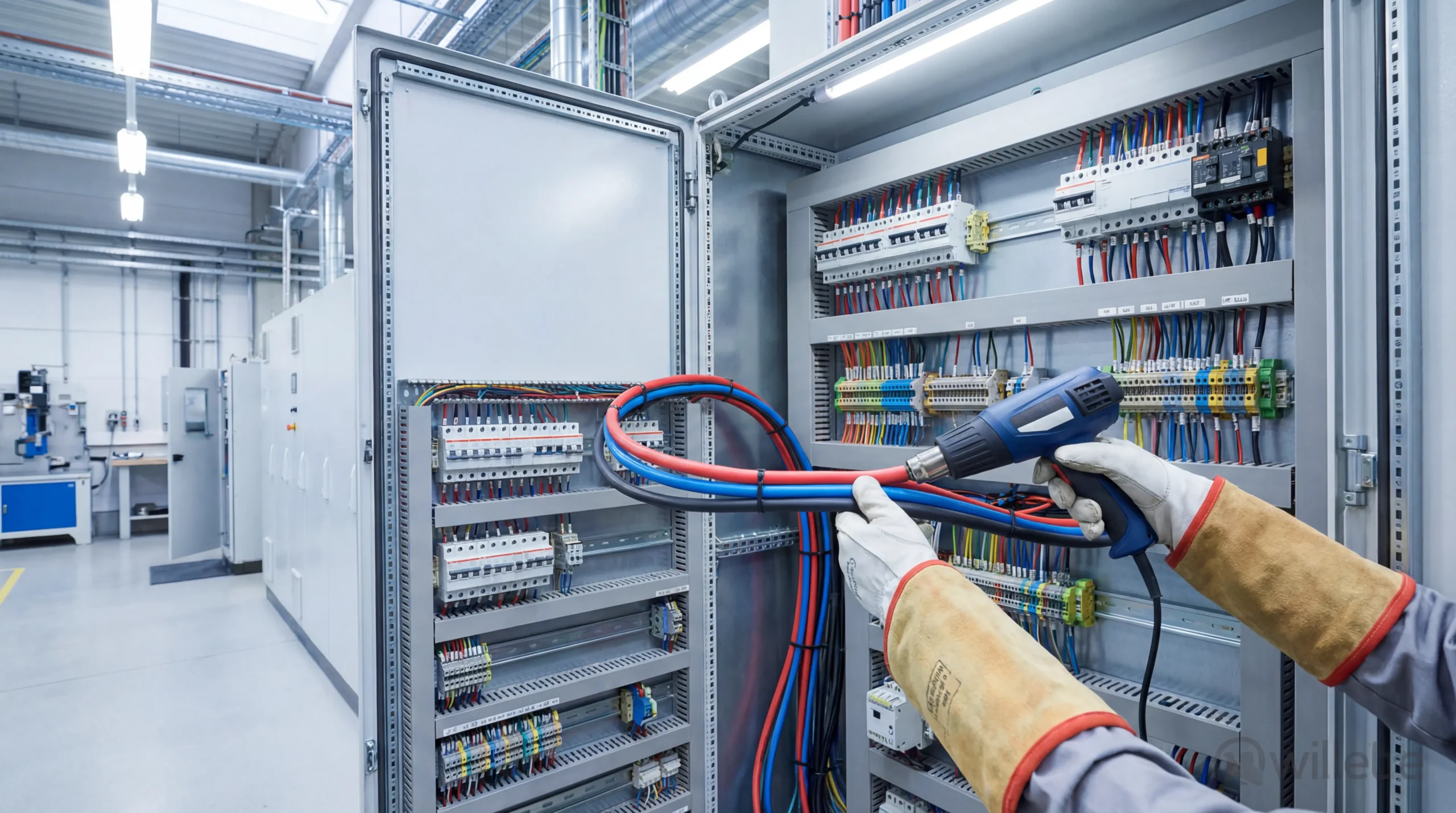
In industrial control panel manufacturing and maintenance, the selection and application of flame-retardant heat-shrink tubing represents a critical safety and performance consideration. As electrical systems become increasingly complex and regulatory requirements more stringent, understanding best practices for flame-retardant heat-shrink tubing has never been more important for engineers, electricians, and facility managers.
Understanding Flame-Retardant Heat-Shrink Tubing
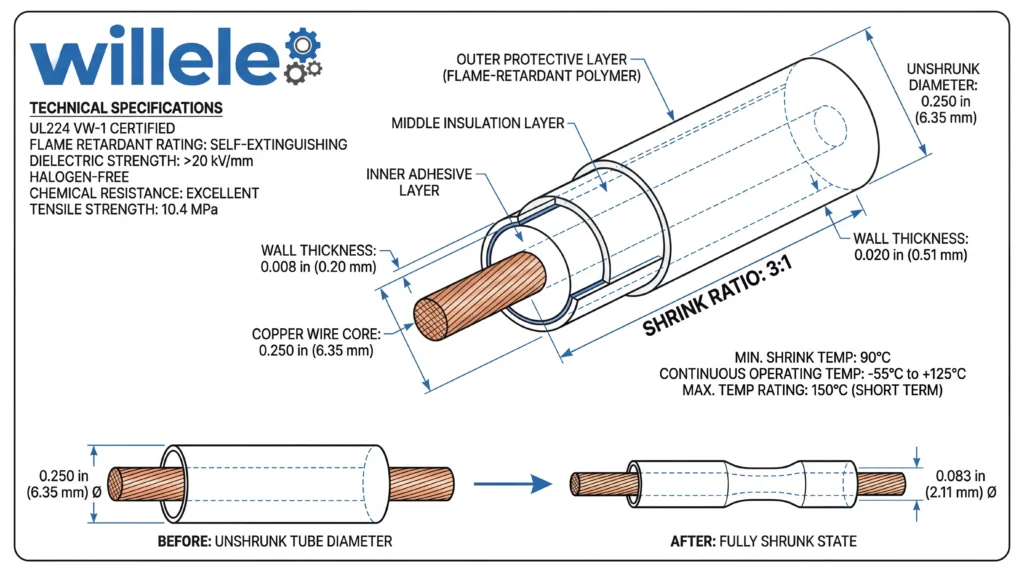
Flame-retardant heat-shrink tubing serves as a protective insulation layer for electrical connections within control panels, offering both mechanical protection and fire safety. Unlike standard heat-shrink materials, flame-retardant variants are specifically engineered to resist ignition and self-extinguish when exposed to flame, preventing fire propagation in critical electrical infrastructure.
The material composition typically includes cross-linked polyolefin or fluoropolymer bases infused with flame-retardant additives. These additives work by releasing fire-suppressing gases when heated, forming a protective char layer, or both. The result is a tubing material that maintains its insulating properties while providing an additional layer of fire safety—essential in environments where electrical faults could lead to catastrophic consequences.
Key Performance Characteristics
When evaluating flame-retardant heat-shrink tubing for industrial control panels, several performance metrics demand attention. The shrink ratio determines how much the tubing will contract when heated, with common ratios including 2:1, 3:1, and 4:1. Higher ratios provide greater flexibility in accommodating various wire sizes but may require more precise installation techniques.
Operating temperature range is equally critical. Industrial control panels often experience significant temperature fluctuations, and the tubing must maintain its protective properties across the entire operational spectrum. Most quality flame-retardant heat-shrink tubing operates reliably between -55°C and 135°C, with specialized variants reaching 150°C or higher for demanding applications.
Dielectric strength measures the tubing’s ability to withstand electrical stress without breakdown. For control panel applications, minimum dielectric strength of 600V is standard, though many applications require 1000V or higher. This property ensures that the tubing provides effective electrical isolation even under fault conditions.
Material Selection Criteria
| Material Type | Temperature Rating | Flame Rating | Shrink Ratio | Primary Applications | Key Advantages |
|---|---|---|---|---|---|
| Polyolefin (POF) | -55°C to 125°C | UL224 VW-1 | 2:1, 3:1 | General control panels, low-voltage wiring | Cost-effective, excellent flexibility, wide availability |
| Cross-Linked Polyolefin | -55°C to 135°C | UL224 VW-1, CSA | 2:1, 3:1, 4:1 | Industrial automation, motor controls | Superior mechanical strength, chemical resistance |
| Fluoropolymer (PTFE/FEP) | -65°C to 200°C | UL224 VW-1 | 1.3:1, 2:1 | High-temperature environments, chemical exposure | Exceptional temperature resistance, chemical inertness |
| Dual-Wall Adhesive | -55°C to 110°C | UL224 VW-1 | 3:1, 4:1 | Outdoor panels, moisture-prone areas | Built-in adhesive seal, environmental protection |
| Halogen-Free | -40°C to 125°C | IEC 60754-1 | 2:1, 3:1 | Food processing, clean rooms | Low smoke, non-toxic fumes, environmentally friendly |
The selection process should begin with a thorough assessment of the operating environment. Control panels in chemical processing facilities require tubing with superior chemical resistance, making cross-linked polyolefin or fluoropolymer materials the preferred choice. Conversely, standard industrial environments may be adequately served by conventional polyolefin tubing, offering significant cost savings without compromising safety.
Regulatory compliance cannot be overlooked. Different industries and regions mandate specific certifications. UL224 VW-1 certification is standard in North America, indicating that the material has passed vertical wire flame tests. European applications often require compliance with IEC 60754 standards, particularly for halogen-free materials. Understanding these requirements early in the selection process prevents costly retrofits and ensures regulatory compliance.
Installation Best Practices
Proper installation of flame-retardant heat-shrink tubing is as important as material selection. Even the highest-quality tubing will fail to provide adequate protection if incorrectly applied. The installation process demands attention to detail, appropriate tools, and adherence to manufacturer specifications.
Pre-Installation Preparation
Before beginning installation, thoroughly clean all wire surfaces to remove oils, dust, and oxidation. Contaminated surfaces prevent proper adhesion and can compromise the tubing’s protective properties. Use isopropyl alcohol or approved electrical contact cleaner, allowing surfaces to dry completely before proceeding.
Accurate measurement is essential. Cut tubing to length with sufficient overlap—typically 6-12mm beyond the connection point on each side. This overlap ensures complete coverage even after shrinkage. For critical applications, err on the side of excess length rather than insufficient coverage.
Wire and terminal preparation should follow industry standards. Ensure all connections are mechanically and electrically sound before applying heat-shrink tubing. The tubing provides insulation and environmental protection but should never be relied upon to compensate for poor electrical connections.
Heat Application Techniques
| Heat Source | Temperature Range | Application Speed | Advantages | Limitations | Best Use Cases |
|---|---|---|---|---|---|
| Heat Gun (Industrial) | 300°C – 650°C | Medium | Precise control, portable, versatile | Requires skill, uneven heating risk | Field installation, repair work, varied sizes |
| Hot Air Station | 100°C – 500°C | Medium | Excellent temperature control, consistent | Less portable, higher cost | Workshop environments, precision work |
| Infrared Heater | 200°C – 400°C | Fast | Even heating, hands-free operation | Limited portability, size constraints | Production environments, batch processing |
| Torch (Propane/Butane) | 1000°C+ | Very Fast | Highly portable, no electricity needed | Overheating risk, less control | Emergency repairs, field work, large diameters |
| Oven/Tunnel Heater | 150°C – 300°C | Slow | Uniform heating, batch processing | Not portable, setup time | Manufacturing, large-scale installations |
The heat gun remains the most common installation tool for control panel work. Position the heat gun approximately 100-150mm from the tubing, moving it in a sweeping motion to distribute heat evenly. Begin at the center and work toward the ends, or start at one end and progress steadily to the other. This technique prevents air entrapment and ensures uniform shrinkage.
Temperature control is critical. Excessive heat damages the tubing’s flame-retardant properties and can compromise the underlying wire insulation. Most polyolefin tubing shrinks optimally between 90°C and 120°C, though brief exposure to higher temperatures during application is acceptable. Modern heat guns with temperature displays and adjustable settings provide the control necessary for professional installations.
Watch for visual indicators of proper shrinkage. The tubing should conform tightly to the wire without wrinkles, gaps, or bubbles. Slight glossiness on the surface indicates proper heat application. If adhesive-lined tubing is used, a small amount of adhesive should be visible at the tubing ends, confirming complete activation and sealing.
Quality Control and Inspection
Post-installation inspection ensures that flame-retardant heat-shrink tubing provides the intended protection. Develop a systematic inspection protocol that examines both visual and functional aspects of the installation.
Visual inspection should identify any obvious defects: incomplete shrinkage, exposed wire sections, discoloration indicating overheating, or mechanical damage. Use adequate lighting and, when necessary, magnification to examine critical connections. Document findings with photographs for quality records and future reference.
Functional testing verifies electrical performance. Measure insulation resistance using a megohmmeter, confirming values meet or exceed specifications—typically 100 megohms or higher for control panel applications. This test identifies any insulation breakdown that might compromise safety or performance.
Pull testing assesses mechanical integrity. Apply gentle axial force to verify that the tubing remains securely in place and that underlying connections are sound. While specific pull force requirements vary by application, the tubing should not slide or rotate on the wire under normal handling forces.
Common Application Challenges and Solutions
| Challenge | Symptoms | Root Causes | Prevention Strategies | Corrective Actions |
|---|---|---|---|---|
| Incomplete Shrinkage | Loose fit, wrinkles, gaps | Insufficient heat, wrong temperature | Use calibrated heat source, verify temperature settings | Reapply heat gradually, replace if damaged |
| Overheating Damage | Discoloration, brittleness, splits | Excessive temperature, prolonged exposure | Temperature monitoring, proper technique training | Replace affected sections, inspect adjacent areas |
| Air Entrapment | Bubbles, uneven surface | Improper heating sequence, rapid heating | Heat from center outward, controlled application | Pierce bubble, reapply heat carefully |
| Poor Adhesion (Dual-Wall) | Adhesive not visible at ends, loose seal | Insufficient heat, contaminated surface | Thorough cleaning, adequate heat application | Remove and reinstall with proper preparation |
| Size Mismatch | Too tight or too loose | Incorrect tubing selection, wrong shrink ratio | Accurate measurement, proper size selection | Replace with correctly sized tubing |
| Cracking After Installation | Surface cracks, reduced flexibility | Excessive heat, material degradation | Proper storage, temperature control | Replace immediately, inspect similar installations |
Environmental factors significantly impact installation success. Ambient temperature affects both the installation process and long-term performance. In cold environments below 10°C, tubing becomes less flexible and requires more heat for proper shrinkage. Conversely, installations in hot environments above 40°C demand extra care to prevent overheating.
Humidity presents another challenge, particularly with adhesive-lined tubing. Moisture on wire surfaces prevents proper adhesive bonding, compromising the environmental seal. In humid environments, use desiccant storage for tubing and ensure all surfaces are thoroughly dried before installation.
Maintenance and Long-Term Performance
Flame-retardant heat-shrink tubing, when properly installed, provides years of reliable service. However, periodic inspection and maintenance ensure continued protection and identify potential issues before they escalate.
Establish a regular inspection schedule based on the operating environment and criticality of the protected circuits. High-vibration environments, extreme temperature cycling, and chemical exposure all accelerate aging and warrant more frequent inspection—typically annually or semi-annually. Less demanding environments may require inspection only every 2-3 years.
During maintenance inspections, look for signs of degradation: surface cracking, loss of flexibility, discoloration, or loosening. These indicators suggest that the tubing has reached the end of its service life and requires replacement. Environmental exposure, particularly UV radiation in outdoor panels, accelerates degradation and may necessitate more frequent replacement cycles.
Documentation proves invaluable for long-term maintenance planning. Record installation dates, material specifications, and inspection findings. This data enables trend analysis, helping predict replacement needs and optimize maintenance schedules. Digital photography provides visual records that facilitate comparison across inspection cycles.
Compliance and Safety Standards
Understanding and adhering to relevant safety standards is non-negotiable in industrial control panel applications. These standards ensure that flame-retardant heat-shrink tubing provides the intended level of protection and performs reliably under specified conditions.
Key Certification Standards
UL224 VW-1 represents the most common North American standard for flame-retardant wire and cable materials. The VW-1 (Vertical Wire Flame Test) certification indicates that the material self-extinguishes within a specified time when the flame source is removed and does not drip flaming particles that could ignite cotton below the test specimen.
CSA C22.2 provides Canadian certification requirements, often pursued alongside UL certification for North American market access. The standards are similar but not identical, and products intended for Canadian installations should carry both certifications.
IEC 60754 standards address halogen content and acidity of combustion gases. IEC 60754-1 measures halogen acid gas content, while IEC 60754-2 measures acidity. These standards are particularly important in Europe and applications where toxic fume generation during fire presents significant hazards.
RoHS compliance restricts hazardous substances in electrical and electronic equipment. While primarily focused on heavy metals and certain brominated flame retardants, RoHS compliance affects heat-shrink tubing selection, particularly for equipment exported to European markets.
Cost-Benefit Analysis
While flame-retardant heat-shrink tubing costs more than standard alternatives, the investment delivers substantial returns through enhanced safety, reduced downtime, and regulatory compliance.
| Cost Factor | Standard Heat-Shrink | Flame-Retardant Heat-Shrink | Long-Term Benefit |
|---|---|---|---|
| Material Cost per Meter | $0.50 – $1.50 | $1.20 – $4.00 | Fire risk reduction |
| Installation Time | 2-3 min per connection | 2-3 min per connection | No difference |
| Expected Service Life | 5-10 years | 10-15 years | Reduced replacement frequency |
| Fire Incident Risk | Baseline | 60-80% reduction | Avoided damage costs |
| Insurance Premium Impact | Standard rates | Potential 5-15% reduction | Annual savings |
| Regulatory Compliance | May not meet requirements | Meets/exceeds standards | Avoids penalties, shutdowns |
The true value of flame-retardant heat-shrink tubing becomes apparent when considering the cost of electrical fires. A single control panel fire can result in equipment damage exceeding $50,000, production downtime costing thousands per hour, and potential injury liability. When viewed through this lens, the incremental cost of flame-retardant materials represents a minimal investment in risk mitigation.
Insurance considerations further enhance the value proposition. Many insurers offer premium reductions for facilities demonstrating superior fire prevention measures. Documentation of flame-retardant material use throughout electrical systems can support negotiations for lower insurance rates, potentially offsetting material costs within a few years.
Industry-Specific Considerations
Different industries face unique challenges that influence flame-retardant heat-shrink tubing selection and application. Understanding these sector-specific requirements ensures optimal material selection and installation practices.
Manufacturing and automation environments demand tubing that withstands vibration, temperature cycling, and occasional chemical exposure. Cross-linked polyolefin materials with 3:1 shrink ratios provide the flexibility and durability these applications require. The ability to accommodate wire movement without cracking or loosening is essential in robotic and automated systems.
Food and pharmaceutical processing facilities must use materials that comply with stringent cleanliness and safety standards. Halogen-free flame-retardant tubing prevents toxic fume generation, critical in environments where product contamination must be avoided. Additionally, these facilities often require materials that withstand frequent washdown with cleaning chemicals and high-pressure water.
Oil and gas applications present extreme challenges: wide temperature ranges, chemical exposure, and potentially explosive atmospheres. Fluoropolymer heat-shrink tubing, despite higher costs, provides the chemical resistance and temperature performance these environments demand. Proper material selection in these applications is literally a matter of life and death.
Data centers and telecommunications facilities prioritize low-smoke, halogen-free materials to protect sensitive electronic equipment and ensure safe evacuation during fire events. While control panel applications in these facilities may seem less critical than primary power distribution, comprehensive fire protection throughout the facility enhances overall safety and reliability.
Emerging Technologies and Future Trends
The heat-shrink tubing industry continues to evolve, with innovations addressing emerging needs in industrial control systems. Smart materials incorporating temperature-indicating properties provide visual confirmation of proper installation and can signal overheating conditions during operation. These materials change color when exposed to excessive temperatures, offering an early warning system for potential failures.
Nanotechnology-enhanced flame retardants promise improved performance with reduced environmental impact. These advanced additives provide superior fire resistance at lower concentrations, potentially enabling thinner wall tubing without compromising protection. Reduced material thickness translates to smaller bundle diameters and improved heat dissipation in dense control panels.
Sustainability considerations increasingly influence material selection. Manufacturers are developing recyclable flame-retardant formulations and bio-based polymers that maintain performance while reducing environmental impact. As circular economy principles gain traction, expect to see more options for end-of-life tubing recycling and reprocessing.
Frequently Asked Questions
Q: What is the difference between flame-retardant and flame-resistant heat-shrink tubing?
A: Flame-retardant tubing is designed to resist ignition and self-extinguish when the flame source is removed, but it will burn while exposed to flame. Flame-resistant tubing (often fluoropolymer-based) provides even greater protection and may not ignite even under direct flame exposure. For most industrial control panel applications, flame-retardant tubing meeting UL224 VW-1 standards provides adequate protection.
Q: How do I determine the correct size heat-shrink tubing for my application?
A: Measure the largest diameter of the object to be covered (including any connectors or irregularities). Select tubing with a recovered (shrunk) inner diameter slightly smaller than this measurement and an as-supplied inner diameter at least 20-30% larger. For example, if covering a 10mm diameter connection, choose tubing with a 2:1 shrink ratio that measures 20-24mm before shrinking and recovers to 8-9mm.
Q: Can flame-retardant heat-shrink tubing be reused if I need to modify a connection?
A: No, heat-shrink tubing cannot be reused once it has been heated and shrunk. The cross-linking process that occurs during heating is irreversible. Always cut away and discard used tubing, then install fresh tubing when modifying connections. Attempting to reuse tubing compromises both mechanical and electrical protection.
Q: What temperature should I use when applying heat-shrink tubing?
A: Most polyolefin flame-retardant heat-shrink tubing shrinks optimally between 90°C and 120°C. Set your heat gun to approximately 300-350°C, maintaining 100-150mm distance from the tubing. The higher air temperature at the heat gun nozzle drops to the optimal range by the time it reaches the tubing. Always consult the manufacturer’s specifications for the specific product you’re using.
Q: How often should flame-retardant heat-shrink tubing be inspected in industrial control panels?
A: Inspection frequency depends on the operating environment. For standard indoor control panels in climate-controlled environments, inspect every 2-3 years. For harsh environments with extreme temperatures, vibration, or chemical exposure, conduct annual inspections. Outdoor panels or those in corrosive atmospheres may require semi-annual inspection. Always inspect immediately after any electrical fault or unusual heating event.
Q: Is halogen-free heat-shrink tubing necessary for all applications?
A: Not necessarily. Halogen-free tubing is essential in applications where toxic fume generation poses significant risks: enclosed spaces, food processing, healthcare facilities, and areas with limited ventilation. Standard flame-retardant tubing with halogens provides excellent fire protection at lower cost and may be appropriate for well-ventilated industrial environments where evacuation routes are clear and toxic fume exposure can be minimized.
Conclusion
Implementing best practices for flame-retardant heat-shrink tubing in industrial control panels represents a fundamental commitment to safety, reliability, and regulatory compliance. From material selection through installation and long-term maintenance, each decision impacts the overall effectiveness of electrical system protection.
The investment in quality flame-retardant materials and proper installation techniques pays dividends through reduced fire risk, extended service life, and enhanced system reliability. As industrial control systems grow increasingly complex and regulatory requirements continue to evolve, the importance of these best practices will only increase.
By following the guidelines outlined in this article—careful material selection, proper installation techniques, regular inspection, and adherence to relevant standards—engineers and facility managers can ensure that their control panel installations provide the highest level of protection. The result is safer facilities, more reliable operations, and peace of mind that electrical systems are protected against one of the most serious hazards they face.
About willele Electric
willele Electric specializes in manufacturing high-quality flame-retardant heat-shrink tubing and electrical insulation products for industrial applications. With decades of experience serving B2B clients worldwide, willele provides comprehensive solutions for control panel protection, wire management, and electrical safety. Our products meet or exceed international safety standards, including UL224, CSA, and IEC certifications, ensuring reliable performance in the most demanding environments.
