
Low Voltage Busbar Insulators for Renewable Energy Inverter Systems

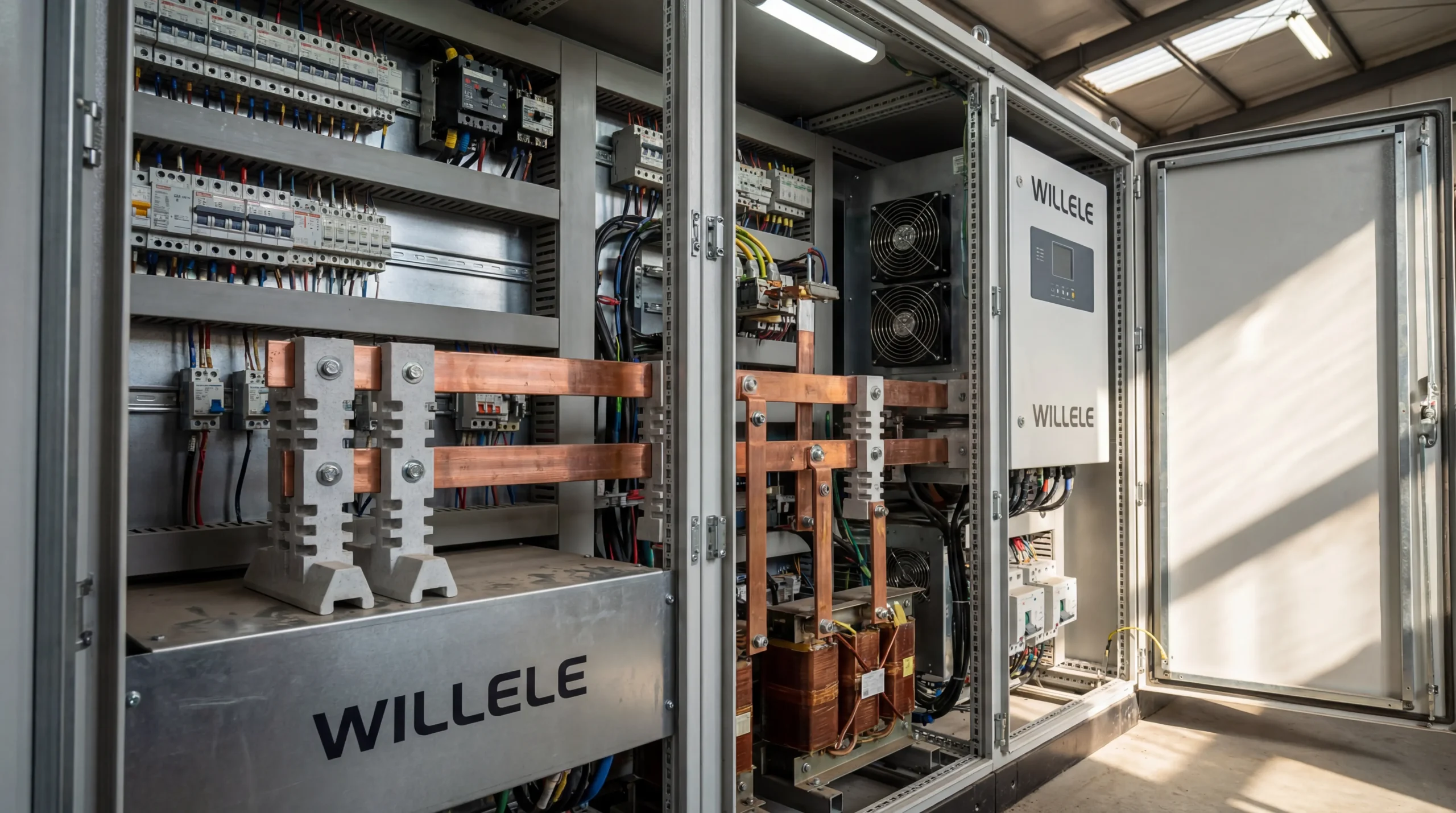
In the rapidly evolving landscape of green technology, the efficiency and safety of power conversion systems are paramount. As global energy infrastructure shifts toward sustainable sources, Low Voltage Busbar Insulators for Renewable Energy Inverter Systems have emerged as critical components in ensuring the reliability of solar, wind, and energy storage installations.
At Willele Electric, we understand that the backbone of any robust electrical system lies in the quality of its insulation and support structures. This guide explores the technical intricacies, applications, and selection criteria for high-performance busbar insulators designed specifically for the rigorous demands of the renewable energy sector.
The Critical Role of Busbar Insulators in Renewable Energy
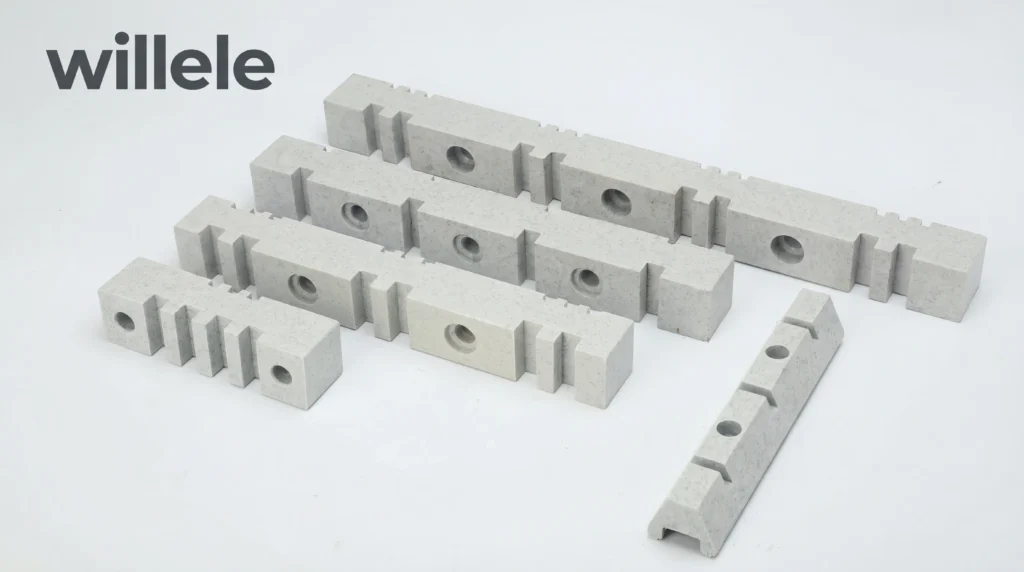
Busbar insulators, often referred to as busbar supports or standoff insulators, serve two primary functions: they physically support conductive busbars and electrically isolate them from the equipment chassis or other phases. In renewable energy inverter systems, these components face unique challenges compared to traditional industrial applications.
Inverter systems convert DC power (from solar panels or batteries) to AC power (for the grid), or vice versa. This process involves high switching frequencies, thermal cycling, and often, exposure to harsh environmental conditions. A failure in insulation can lead to catastrophic short circuits, equipment damage, and significant downtime.
Key Functions
- Electrical Isolation: Preventing arc faults and short circuits between phases or to the ground.
- Mechanical Support: Withstanding the electromagnetic forces generated during short-circuit events.
- Thermal Management: Resisting high operating temperatures common in compact inverter cabinets.
Applications in Renewable Energy Systems
The demand for specialized low voltage busbar insulators is driven by three main sectors within the renewable industry.
1. Solar Photovoltaic (PV) Inverters
In central and string inverters, busbar insulators support the DC inputs and AC outputs. Modern PV systems are pushing voltages higher (up to 1500V DC), requiring insulators with exceptional dielectric strength and creepage distance to prevent tracking.
2. Wind Turbine Converters
Wind power converters operate in high-vibration environments, often offshore. The insulators used here must possess superior mechanical strength to endure constant vibration and the torque stress of heavy cabling, alongside resistance to salt mist and humidity.
3. Battery Energy Storage Systems (BESS)
BESS units require compact, high-density power distribution. Insulators in these systems must offer high fire resistance (UL94 V-0) and thermal stability to manage the heat generated during rapid charge/discharge cycles.
Technical Specifications and Material Composition
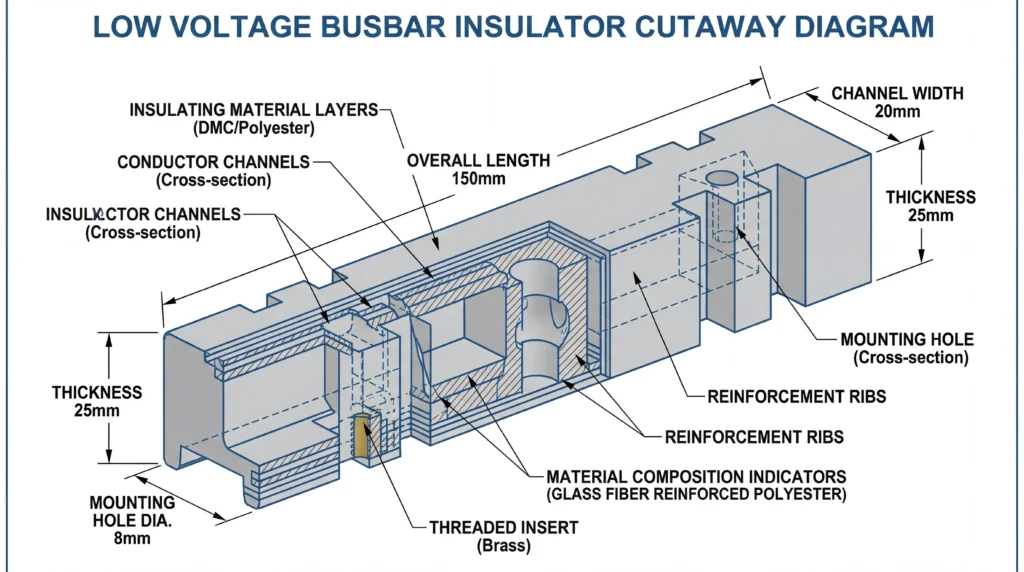
At Willele, our insulators are engineered using advanced composite materials to meet these specific needs. The most common materials include Dough Molding Compound (DMC), Bulk Molding Compound (BMC), and Sheet Molding Compound (SMC).
Material Properties Comparison
| Property | BMC/DMC (Polyester) | Epoxy Resin | Phenolic Resin | Willele Advanced Composite |
|---|---|---|---|---|
| Dielectric Strength | High | Very High | Medium | Superior |
| Mechanical Strength | High | Very High | Medium | High Impact Resistance |
| Heat Resistance | Up to 130°C | Up to 155°C | Up to 120°C | Up to 180°C |
| Water Absorption | Low | Very Low | Medium | Negligible |
| Cost Efficiency | Excellent | Moderate | Good | Optimized |
Standard Technical Specifications
For a typical low voltage application in a renewable inverter, the specifications often look like this:
- Rated Voltage: 600V AC / 1000V DC (up to 1500V DC for specific solar applications)
- Operating Temperature: -40°C to +140°C
- Insert Material: Brass or Steel (Zinc plated)
- Flammability Rating: UL94 V-0
- Color: Red (Standard), White, or Custom
Selection Criteria: How to Choose the Right Insulator
Selecting the correct busbar insulator is not just about size; it is about matching performance to the environment.
1. Voltage and Creepage Distance
Ensure the insulator’s height and surface design provide sufficient creepage distance for your system’s voltage class. For 1500V DC solar systems, taller insulators with ribbed designs are often necessary to prevent surface tracking.
2. Mechanical Load Requirements
Calculate the potential short-circuit forces. The insulator must have a cantilever strength and torque strength that exceeds the maximum potential force exerted by the busbars during a fault.
3. Thread Size and Insert Type
Match the thread size (e.g., M6, M8, M10, M12) to your busbar mounting hardware. Willele offers high-torque inserts that resist spinning or pulling out during installation.
4. Environmental Factors
If the inverter is outdoors, the insulator must be UV resistant and hydrophobic (water-repelling) to maintain insulation resistance in humid or rainy conditions.
Installation Best Practices
Proper installation is crucial to maintaining the integrity of the insulation system.
- Surface Preparation: Ensure the mounting surface is clean, flat, and free of burrs. Uneven surfaces can crack the insulator base when tightened.
- Torque Control: Always use a torque wrench. Over-tightening can fracture the composite material or strip the threads. Refer to Willele’s torque specifications for each model.
- Alignment: Busbars should be aligned naturally. Forcing busbars into position puts permanent stress on the insulator, reducing its ability to withstand shock loads later.
- Clearance Checks: After installation, verify that the air gap between live conductors and the chassis meets safety standards (e.g., IEC 61439).
Why Choose Willele Electric?
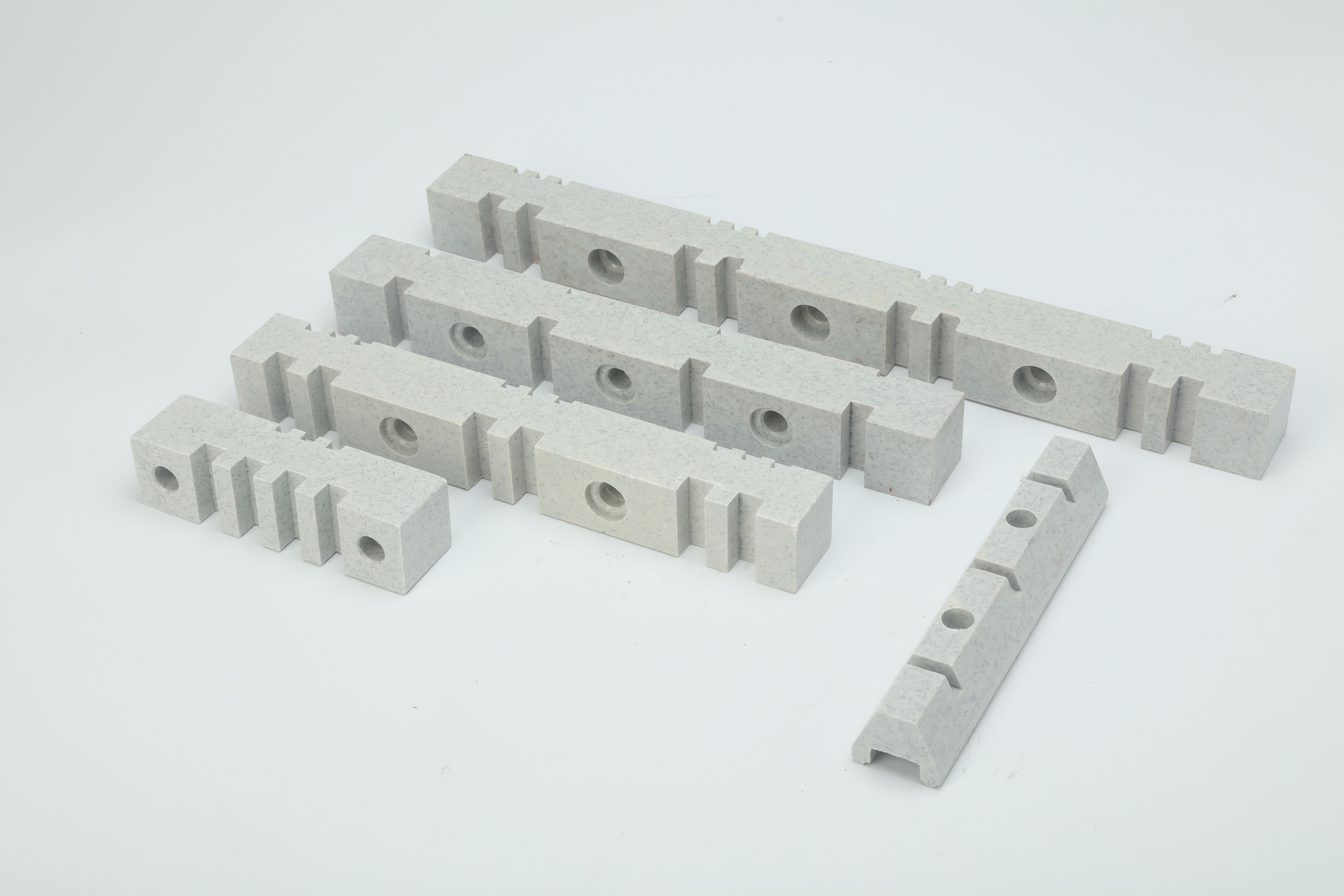
As a dedicated B2B manufacturer, Willele Electric specializes in providing high-quality electric equipment and heat shrink solutions tailored for industrial applications.
- Customization: We offer custom molding services to create insulators with specific heights, thread sizes, or material blends.
- Quality Assurance: All our products undergo rigorous testing for dielectric strength, mechanical load, and thermal cycling.
- Global Compliance: Our insulators are designed to meet international standards such as UL, CE, and RoHS.
- Supply Chain Reliability: We understand the manufacturing timelines of OEM inverter makers and ensure consistent, timely delivery.
Frequently Asked Questions (FAQ)
Q1: What is the difference between BMC and SMC insulators?
A: BMC (Bulk Molding Compound) is typically used for complex shapes and smaller components like standoff insulators. SMC (Sheet Molding Compound) is used for larger, flat structural components. For most busbar supports, BMC/DMC is the standard due to its excellent molding properties and strength.
Q2: Can Willele insulators withstand 1500V DC for solar applications?
A: Yes, we offer a specialized range of high-voltage DC insulators designed specifically for 1500V solar inverters, featuring enhanced creepage distances and tracking resistance.
Q3: What is the maximum operating temperature for your insulators?
A: Our standard series is rated for continuous operation up to 130°C. We also offer high-temperature variants capable of withstanding up to 180°C for demanding environments.
Q4: Do you provide samples for prototyping?
A: Absolutely. We encourage engineers to test our products in their prototypes. Contact our sales team to request a sample kit.
Q5: Are the metal inserts resistant to corrosion?
A: Yes, our standard inserts are zinc-plated steel or brass, providing excellent corrosion resistance. For marine or offshore wind applications, we can provide stainless steel inserts upon request.
Q6: How do I determine the correct spacing between insulators?
A: Spacing depends on the short-circuit current rating of your system and the mechanical strength of the busbar. Generally, higher fault currents require closer spacing to prevent busbar deformation.
Conclusion
The reliability of a renewable energy system is only as good as its weakest component. Low Voltage Busbar Insulators play a silent but vital role in ensuring that solar inverters, wind turbines, and battery systems operate safely and efficiently for decades.
At Willele Electric, we are committed to powering the future with precision-engineered components. Whether you need standard standoff insulators or a custom solution for a next-generation inverter, our team is ready to support your engineering goals.
Ready to upgrade your inverter design? Contact Willele Electric today for a consultation or to request our latest technical catalog. Let’s build a greener future together.
