
Plastic vs. Metal Junction Boxes: Which Should You Choose for Your Project?

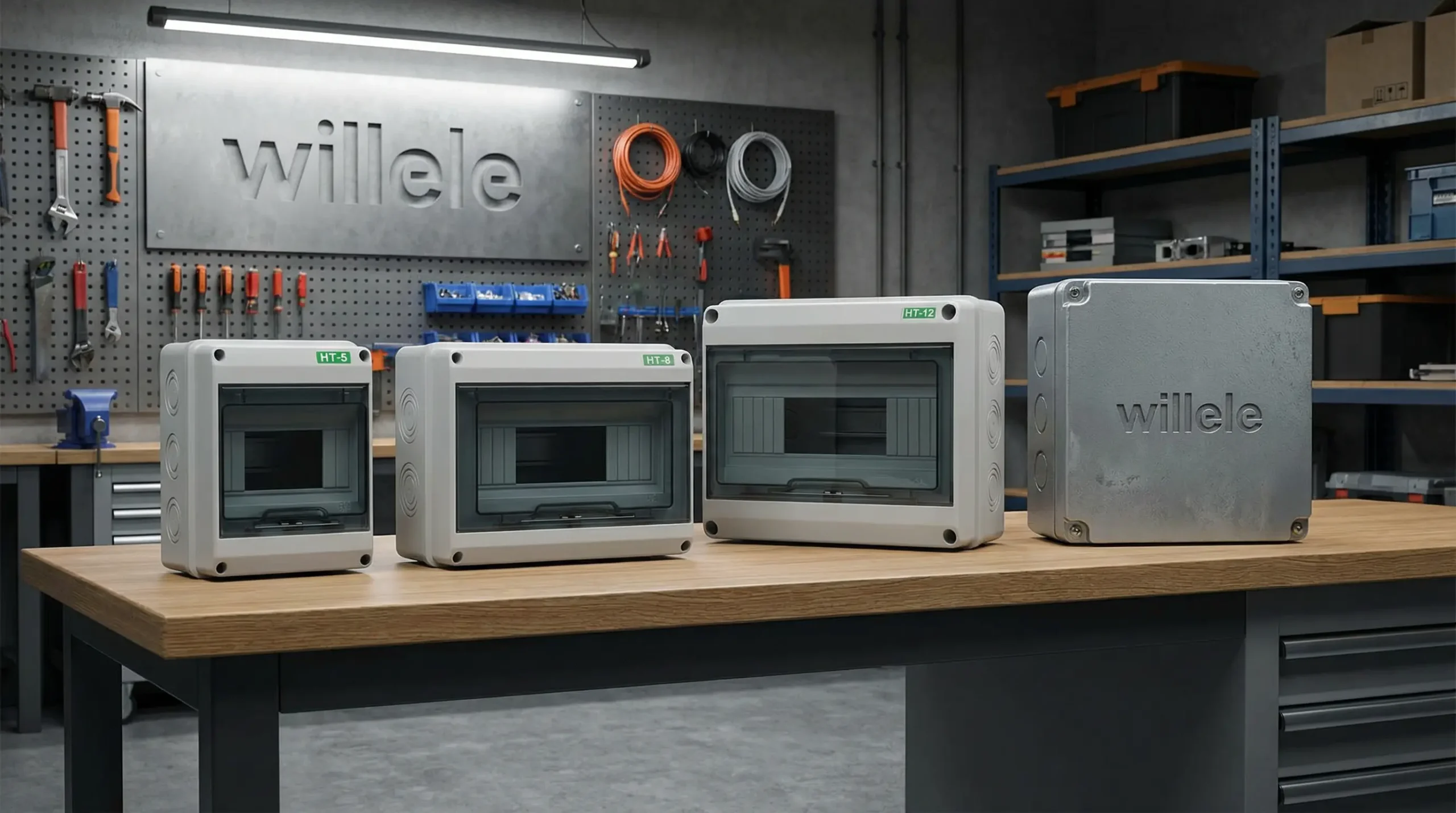
Understanding Junction Box Materials: A Critical Decision for Electrical Projects
Selecting between plastic vs. metal junction boxes is one of the most fundamental decisions in electrical installation projects. This choice impacts safety, durability, cost-effectiveness, and code compliance. Whether you’re an electrical contractor, project engineer, or procurement professional, understanding the distinct characteristics of each material type is essential for optimal project outcomes.
Junction boxes serve as critical protective enclosures for electrical connections, shielding wire splices from environmental factors and preventing electrical hazards. The material selection directly influences installation efficiency, long-term maintenance requirements, and overall system reliability. This comprehensive guide examines both options to help you make informed decisions for your specific applications.
Material Properties Comparison
Understanding the fundamental material characteristics helps establish the foundation for proper junction box selection.
| Property | Plastic Junction Boxes | Metal Junction Boxes |
|---|---|---|
| Primary Material | PVC, ABS, Polycarbonate, Fiberglass | Steel, Aluminum, Stainless Steel, Cast Iron |
| Weight | Lightweight (50-200g typical) | Heavy (200g-2kg+ depending on size) |
| Corrosion Resistance | Excellent – immune to rust | Varies – requires coating/treatment |
| Impact Resistance | Good to Excellent (depends on polymer) | Excellent (metal types vary) |
| Temperature Range | -20°C to 60°C (standard PVC) | -40°C to 200°C+ (varies by alloy) |
| UV Resistance | Requires UV stabilizers | Naturally resistant |
| Electrical Conductivity | Non-conductive (insulating) | Conductive (requires grounding) |
| Flame Resistance | Self-extinguishing (UL94 rated) | Non-combustible |
Plastic Junction Boxes: Advantages and Applications
Key Advantages
Cost-Effectiveness: Plastic junction boxes typically cost 30-50% less than comparable metal units, making them attractive for budget-conscious projects and large-scale installations.
Corrosion Immunity: Unlike metal alternatives, plastic boxes never rust or corrode, making them ideal for high-moisture environments, coastal areas, and chemical exposure scenarios.
Ease of Installation: The lightweight nature of plastic boxes reduces installer fatigue and speeds up installation processes. They’re easier to mount, modify, and work with in tight spaces.
Electrical Insulation: Non-conductive properties provide inherent electrical isolation, reducing shock hazards and eliminating the need for separate grounding of the enclosure itself.
Versatility: Modern plastic formulations offer excellent chemical resistance, making them suitable for industrial environments with exposure to oils, solvents, and cleaning agents.
Common Applications
- Residential wiring installations
- Indoor commercial applications
- Low-voltage systems
- Telecommunications and data centers
- Areas with high humidity or moisture exposure
- Chemical processing facilities (with appropriate polymer selection)
- Retrofit projects where weight is a concern
Limitations to Consider
While plastic junction boxes offer numerous benefits, they have specific limitations:
- Temperature constraints: Standard PVC boxes may deform or become brittle in extreme temperatures
- Physical durability: More susceptible to impact damage in high-traffic industrial areas
- UV degradation: Outdoor applications require UV-stabilized formulations
- Code restrictions: Some jurisdictions mandate metal boxes for specific applications
- Fire rating limitations: May not meet requirements for certain commercial/industrial settings
Metal Junction Boxes: Advantages and Applications
Key Advantages
Superior Durability: Metal boxes withstand significant physical abuse, making them ideal for industrial environments, outdoor installations, and high-traffic areas.
Fire Resistance: Non-combustible construction provides superior fire protection, often required by building codes for commercial and industrial applications.
EMI/RFI Shielding: Conductive metal enclosures provide electromagnetic interference protection, critical for sensitive electronic equipment and data systems.
Temperature Tolerance: Metal boxes maintain structural integrity across extreme temperature ranges, from freezing conditions to high-heat industrial processes.
Grounding Capability: Built-in grounding provisions enhance electrical safety and meet stringent code requirements for fault protection.
Longevity: Properly maintained metal boxes can last 50+ years, offering exceptional long-term value despite higher initial costs.
Common Applications
- Industrial manufacturing facilities
- Outdoor and exposed installations
- High-temperature environments
- Hazardous locations (with appropriate ratings)
- Commercial buildings requiring enhanced fire protection
- Areas requiring EMI/RFI shielding
- Heavy-duty mechanical environments
- Installations subject to physical abuse
Limitations to Consider
- Higher initial cost: 30-100% more expensive than plastic alternatives
- Corrosion susceptibility: Requires protective coatings in corrosive environments
- Installation complexity: Heavier weight increases installation time and labor costs
- Grounding requirements: Must be properly grounded, adding installation steps
- Condensation issues: Metal conducts temperature, potentially causing moisture accumulation
Technical Comparison: Internal Structure and Design

Cost Analysis: Initial Investment vs. Lifetime Value
| Cost Factor | Plastic Junction Boxes | Metal Junction Boxes |
|---|---|---|
| Unit Price | $2-$15 (typical range) | $8-$45 (typical range) |
| Installation Labor | Lower (lighter, faster) | Higher (heavier, grounding required) |
| Maintenance Costs | Minimal | Low to moderate (coating maintenance) |
| Replacement Frequency | 10-20 years (environment dependent) | 30-50+ years |
| Total Cost of Ownership (20 years) | Lower for indoor/protected | Lower for harsh environments |
| Bulk Pricing Advantage | Significant (40-50% discount) | Moderate (20-30% discount) |
Environmental Resistance Comparison
| Environmental Factor | Plastic Performance | Metal Performance |
|---|---|---|
| Moisture/Water | Excellent | Good (with proper coating) |
| Salt Spray/Coastal | Excellent | Fair to Poor (stainless steel: Excellent) |
| Chemical Exposure | Excellent (polymer dependent) | Fair to Good (alloy dependent) |
| UV Radiation | Good (with stabilizers) | Excellent |
| Extreme Cold (-40°C) | Fair (brittleness risk) | Excellent |
| High Heat (>80°C) | Poor to Fair | Excellent |
| Vibration | Good | Excellent |
| Physical Impact | Good | Excellent |
Code Compliance and Safety Considerations
National Electrical Code (NEC) Requirements
Both plastic and metal junction boxes must comply with NEC Article 314, which governs outlet, device, pull, and junction boxes. Key considerations include:
Box Fill Calculations: Both materials must provide adequate volume for conductors, devices, and fittings. Metal boxes typically offer more volume options for complex installations.
Grounding Requirements: Metal boxes require bonding and grounding per NEC 250.148, while plastic boxes only need to ground the circuit conductors.
Support and Mounting: NEC 314.23 specifies mounting requirements. Metal boxes often provide more robust mounting options for heavy fixtures.
Environmental Ratings: NEMA and IP ratings apply to both materials, but metal boxes more readily achieve higher protection levels (NEMA 4X, IP66+).
Fire Safety Standards
UL Listings: Both plastic and metal junction boxes should carry appropriate UL listings (UL 514A for metallic, UL 514C for non-metallic).
Flame Spread Ratings: Plastic boxes must meet UL94 flammability standards. Metal boxes inherently meet non-combustible requirements for fire-rated assemblies.
Plenum Ratings: Air handling spaces often require metal boxes or specially rated plastic enclosures per NFPA 90A.
Selection Criteria: Matching Box Type to Application
Choose Plastic Junction Boxes When:
- Budget constraints are primary concern
- Corrosive environments (moisture, chemicals, salt) are present
- Weight limitations exist in the structure
- Electrical isolation is beneficial
- Installation speed is critical
- Indoor residential or light commercial applications
- Retrofit projects require easy modifications
- Low to moderate temperature ranges (-20°C to 60°C)
Choose Metal Junction Boxes When:
- Physical durability is paramount
- Fire resistance requirements are stringent
- High temperature exposure exceeds plastic limits
- EMI/RFI shielding is necessary
- Code requirements mandate metal construction
- Outdoor exposed installations face UV and weather
- Industrial environments with mechanical hazards
- Long-term installations (30+ years) are planned
- Hazardous locations require explosion-proof ratings
Installation Best Practices
Plastic Junction Box Installation
- Verify temperature rating matches environment
- Avoid over-tightening screws (can crack plastic)
- Use appropriate knockout tools to prevent cracking
- Ensure UV-rated boxes for outdoor applications
- Support heavy devices with independent mounting
- Check for chemical compatibility in industrial settings
Metal Junction Box Installation
- Properly bond and ground all metal enclosures
- Apply anti-corrosion treatment in harsh environments
- Use appropriate conduit fittings and connectors
- Install weatherproof gaskets for outdoor applications
- Ensure adequate support for box weight and contents
- Consider thermal expansion in temperature extremes
Industry Trends and Future Developments
The junction box market continues evolving with technological advancements:
Advanced Polymers: New composite materials offer improved temperature tolerance and impact resistance, narrowing the performance gap with metal.
Hybrid Solutions: Some manufacturers now offer boxes with plastic bodies and metal reinforcement plates, combining benefits of both materials.
Smart Integration: Both plastic and metal boxes are being designed with integrated cable management, pre-installed terminals, and IoT-ready features.
Sustainability Focus: Recycled content plastics and sustainably sourced metals are becoming standard in response to environmental concerns.
FAQ: Plastic vs. Metal Junction Boxes
Q: Can I use plastic junction boxes outdoors?
A: Yes, but ensure they are UV-stabilized and rated for outdoor use. Check for appropriate NEMA or IP ratings (minimum NEMA 3R or IP65 for outdoor applications). Metal boxes generally offer better long-term outdoor performance.
Q: Are plastic junction boxes safe for commercial buildings?
A: Plastic boxes are safe and code-compliant for many commercial applications. However, fire-rated assemblies, plenum spaces, and certain industrial environments may require metal boxes. Always verify local code requirements.
Q: How do I know if my environment is too corrosive for metal boxes?
A: Environments with constant moisture, salt spray, chemical exposure, or high humidity (>85% RH) are typically better suited for plastic. Stainless steel boxes can handle most corrosive environments but at significantly higher cost.
Q: What’s the lifespan difference between plastic and metal junction boxes?
A: In protected indoor environments, both can last 20-30+ years. Metal boxes typically outlast plastic in harsh conditions (40-50+ years vs. 10-20 years). UV exposure and temperature extremes significantly reduce plastic box lifespan.
Q: Do plastic junction boxes require grounding?
A: Plastic boxes themselves don’t require grounding since they’re non-conductive. However, all circuit conductors and metal devices within the box must still be properly grounded according to NEC requirements.
Q: Which type offers better value for large-scale projects?
A: For indoor, protected environments, plastic boxes typically offer 30-40% cost savings including installation labor. For harsh environments or long-term installations (30+ years), metal boxes may provide better total cost of ownership despite higher initial investment.
Conclusion: Making the Right Choice for Your Project
The decision between plastic vs. metal junction boxes depends on multiple factors including environment, budget, code requirements, and long-term project goals. Plastic boxes excel in cost-effectiveness, corrosion resistance, and ease of installation for protected environments. Metal boxes provide superior durability, fire resistance, and longevity for demanding applications.
Successful electrical contractors and engineers evaluate each project’s specific requirements, considering both immediate installation needs and long-term performance expectations. By matching junction box materials to application demands, you ensure safety, compliance, and optimal value.
Partner with willele Electric for Quality Electrical Solutions
At willele Electric, we understand that choosing the right junction box is just one component of a successful electrical installation. As a leading B2B manufacturer specializing in electrical equipment and heat shrink tubes, we provide comprehensive solutions for your electrical protection needs.
Our product line includes high-quality junction boxes, cable management systems, and protective equipment designed for demanding industrial and commercial applications. Whether you’re specifying plastic or metal enclosures, our technical team can help you select the optimal solution for your project requirements.
Contact willele Electric today to discuss your junction box needs and discover how our expertise in electrical protection solutions can enhance your project outcomes. Visit willele.com or reach out to our technical sales team for detailed specifications, bulk pricing, and application engineering support.
