
Top 5 Applications for Waterproof Junction Boxes in Manufacturing Industries

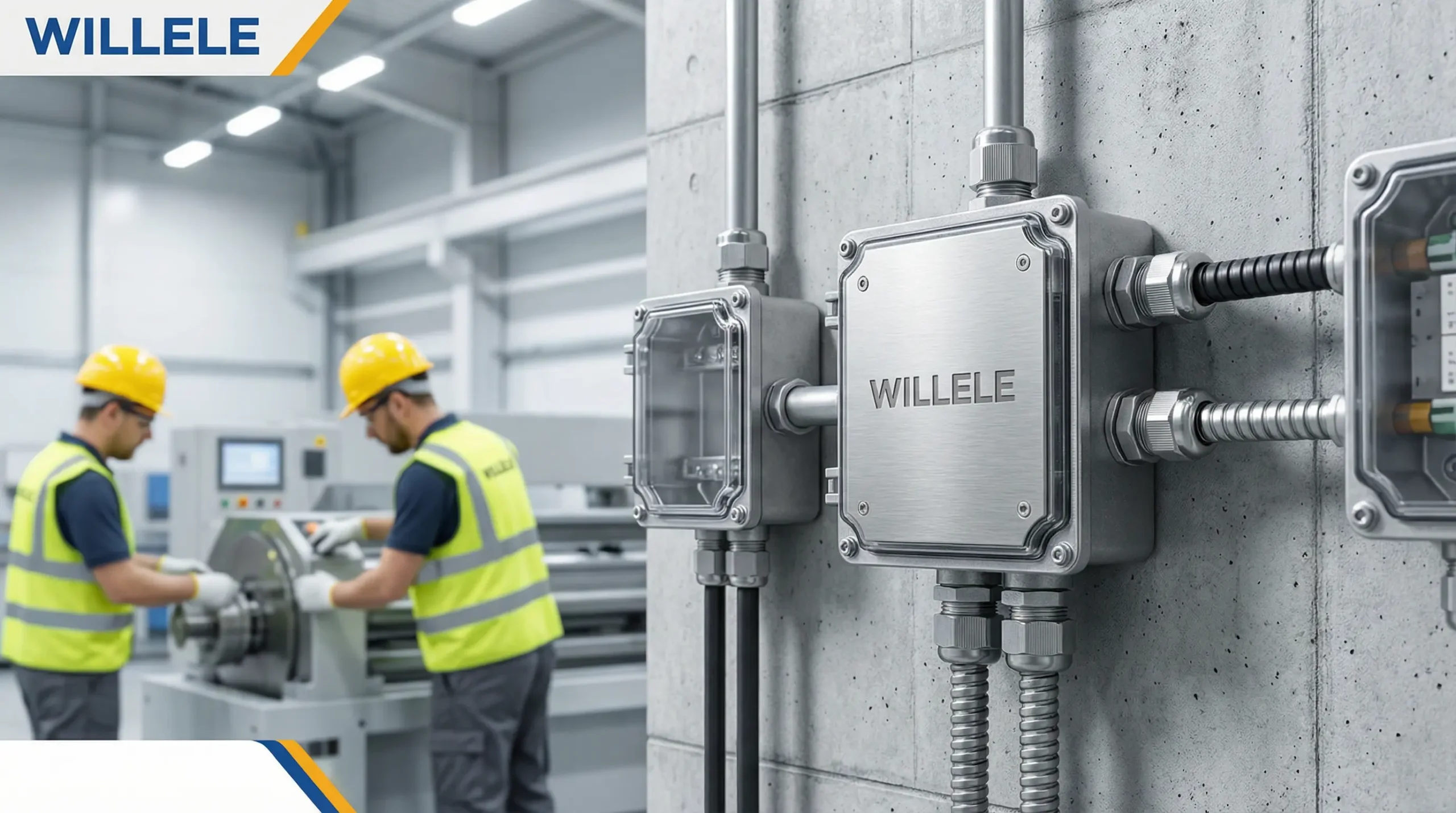
In the complex landscape of industrial production, the integrity of electrical connections is paramount. Protecting sensitive wiring from moisture, dust, chemicals, and physical impact isn’t just a matter of compliance—it’s a critical factor in maintaining operational uptime and safety. As industries evolve toward more automated and rigorous processing environments, the demand for robust protection solutions has surged. This guide explores the Top 5 Applications for Waterproof Junction Boxes in Manufacturing Industries, detailing where these essential components are most critical and why selecting the right enclosure is vital for business continuity.
At willele Electric, we understand that effective cable management goes beyond simple containment. Whether utilizing our specialized heat shrink tubes or integrating high-performance enclosures, the goal remains the same: ensuring electrical systems withstand the harshest elements.
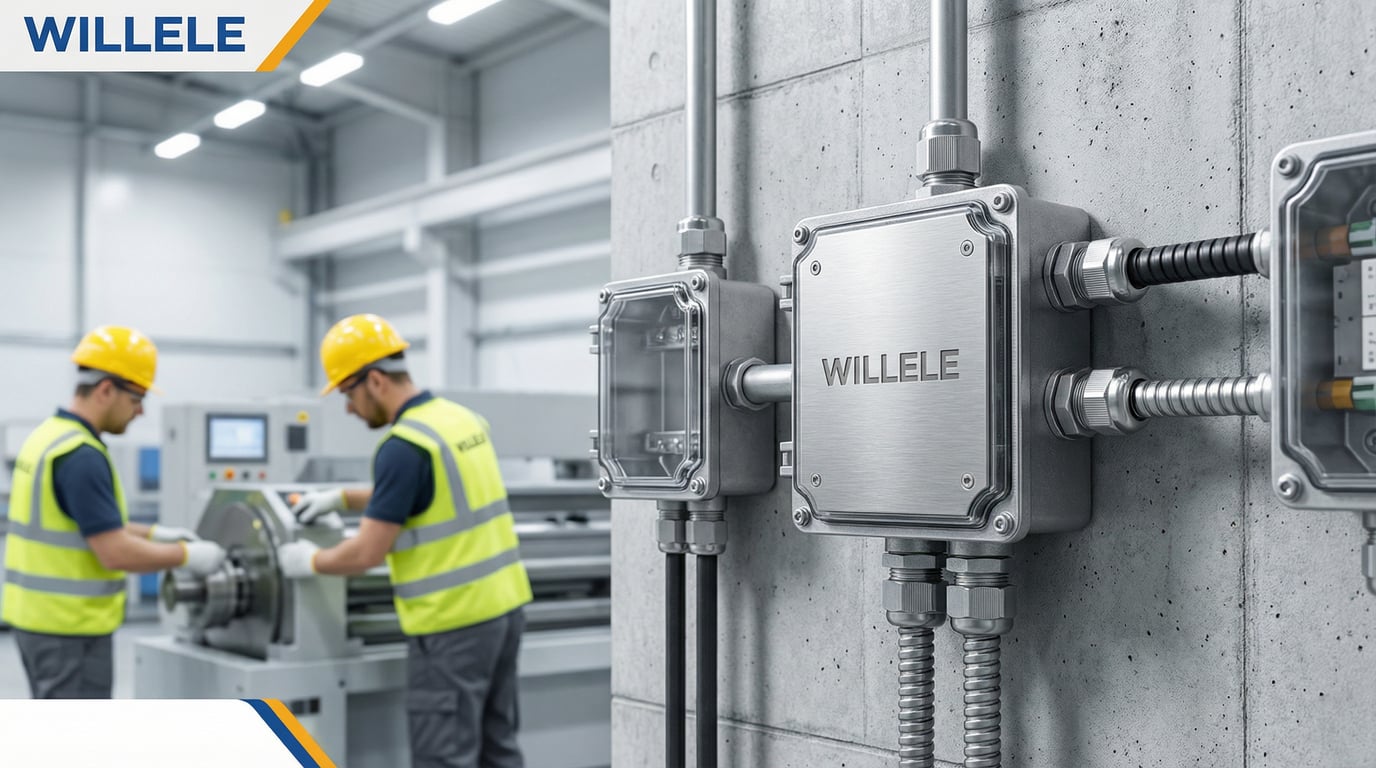
1. Food and Beverage Processing Plants
The food and beverage industry represents one of the most challenging environments for electrical equipment. Sanitation is the top priority, requiring frequent high-pressure washdowns with caustic cleaning agents and hot water.
The Challenge: Hygiene and Moisture
Standard enclosures often fail in these settings due to water ingress during high-pressure cleaning (HPW) or corrosion from sanitizing chemicals. Moisture accumulation can lead to short circuits, halting production lines that cost thousands of dollars per minute.
The Solution: IP69K Rated Enclosures
For this application, waterproof junction boxes must meet high IP ratings, typically IP66 or IP69K.
- Hygiene: Smooth surfaces prevent bacteria buildup.
- Protection: They withstand high-pressure, high-temperature jets.
- Material: Stainless steel or high-grade food-safe thermoplastics are essential to resist corrosion.
2. Chemical and Petrochemical Manufacturing
In chemical plants, the threat isn’t just water—it is the atmosphere itself. Corrosive gases, volatile vapors, and accidental chemical splashes can rapidly degrade standard electrical housing.
The Challenge: Corrosion and Hazardous Zones
Electrical components in these facilities are often located in hazardous areas where combustible dust or gases are present. A compromised junction box can expose live wires to these elements, posing a severe risk of explosion or fire.
The Solution: Chemically Resistant Materials
Waterproof junction boxes in this sector are selected based on material compatibility.
- Material Science: Polycarbonate and glass-reinforced polyester (GRP) are often favored for their resistance to acids, alkalis, and solvents.
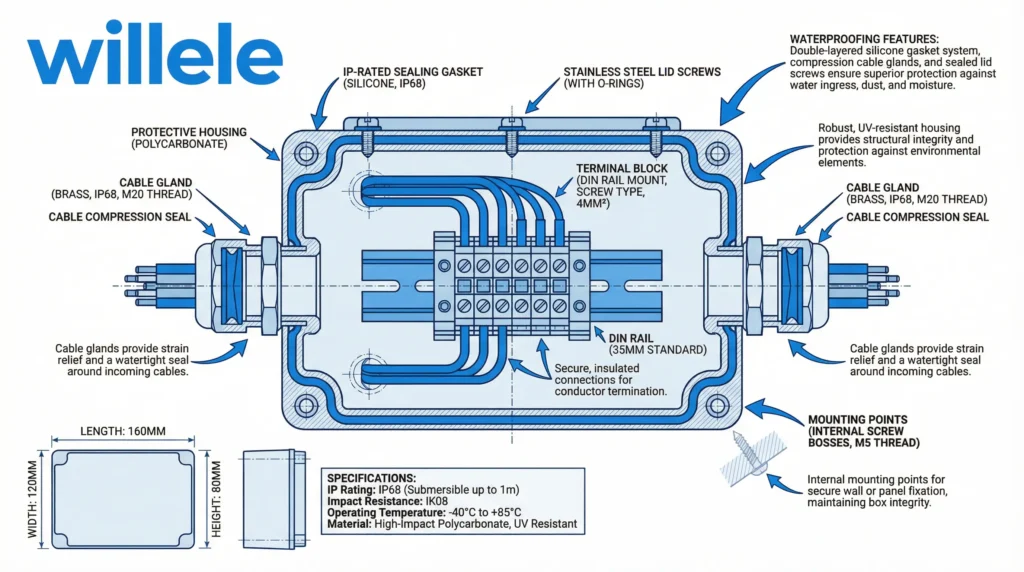
- Sealing: High-quality gaskets (often silicone or EPDM) ensure that no corrosive vapors penetrate the housing.
- Synergy with willele Products: Using willele Electric heat shrink tubes at cable entry points adds an extra layer of sealing against corrosive fumes.
3. Automotive Assembly and Robotics
Modern automotive manufacturing relies heavily on robotics and automated assembly lines. These environments are characterized by constant vibration, movement, and the presence of industrial lubricants and coolants.
The Challenge: Vibration and Fluid Contamination
Robotic arms and conveyor systems generate significant vibration, which can loosen seals on inferior boxes. Additionally, “cutting fluids” and oils used in machining can degrade standard rubber seals over time, leading to ingress.
The Solution: Impact-Resistant, Oil-Proof Designs
- Durability: Junction boxes here serve as distribution points for sensors and actuators. They must be impact-resistant (IK08 or higher) to withstand accidental knocks.
- Oil Resistance: Seals must be specifically rated to resist breakdown from hydrocarbons and synthetic lubricants.
4. Pharmaceutical and Medical Device Production
Similar to food processing, the pharmaceutical industry requires pristine environments. However, the focus here shifts towards dust control, sterilization, and preventing cross-contamination.
The Challenge: Sterilization and Particulates
Cleanrooms require equipment that does not shed particles and can withstand sterilization processes, such as VHP (Vaporized Hydrogen Peroxide) fogging.
The Solution: Cleanroom-Ready Enclosures
Waterproof junction boxes used here feature:
- Dust-Tight Seals: IP6x ratings are mandatory to prevent any ingress of fine pharmaceutical powders.
- Smooth Design: No crevices or external ribs where dust or contaminants could accumulate.
- Certifications: Often require FDA-approved materials for housing components.
5. Heavy Machinery and Metal Fabrication
Foundries, steel mills, and heavy fabrication shops are environments of extremes: extreme heat, abrasive dust (metal shavings), and physical abuse.
The Challenge: Physical Impact and Thermal Stress
Equipment here is subjected to flying debris, welding sparks, and extreme temperature fluctuations. A standard plastic box may crack under impact or melt near a furnace.
The Solution: Rugged Metal Enclosures
- Thermal Stability: Aluminum or stainless steel boxes are preferred for their ability to dissipate heat and withstand high ambient temperatures.
- Mechanical Strength: High impact ratings protect internal wiring from heavy debris.
- Ingress Protection: Prevents conductive metal dust from entering and causing catastrophic short circuits.
Industry Comparison: Selecting the Right Protection
To summarize the Top 5 Applications for Waterproof Junction Boxes in Manufacturing Industries, refer to the table below for a quick guide on specifications.
| Manufacturing Industry | Primary Hazard | Recommended IP Rating | Critical Material Feature |
|---|---|---|---|
| Food & Beverage | High-pressure washdowns, Bacteria | IP69K / IP66 | Stainless Steel / Food-grade Plastic |
| Chemical | Corrosive vapors, Acids | IP66 / IP67 | Polycarbonate / GRP (Chemical Resistant) |
| Automotive | Oil/Coolants, Vibration | IP65 / IP67 | Impact Resistant (IK08+), Oil-proof seals |
| Pharmaceutical | Fine dust, Sterilization agents | IP65 / IP66 | Smooth surface, Dust-tight |
| Heavy Machinery | Impact, Metal dust, Heat | IP66 / IP67 | Die-cast Aluminum / Steel |
The Role of Comprehensive Insulation
While a high-quality junction box provides the first line of defense, the integrity of the system relies on the connections entering and exiting the box. This is where willele Electric excels.
A waterproof box is only as good as its cable glands and insulation. Using high-grade heat shrink tubes to seal wire terminations inside the box provides a secondary barrier against moisture condensation that can occur due to temperature changes (dew point) inside the enclosure. Combining robust junction boxes with professional insulation materials ensures a “double-safety” standard for critical manufacturing infrastructure.
Conclusion
The Top 5 Applications for Waterproof Junction Boxes in Manufacturing Industries highlight a universal truth in industrial engineering: protection is an investment, not an expense. Whether it is shielding against the caustic washdowns of a food plant or the abrasive dust of a steel mill, the right enclosure ensures that production continues safely and efficiently.
At willele Electric, we are committed to powering your productivity. By understanding the unique demands of these industries, we provide the insights and complementary solutions—like our premium heat shrink technologies—that help manufacturers maintain the highest standards of safety and reliability.
Frequently Asked Questions (FAQ)
Q1: What is the difference between IP65, IP67, and IP68 for industrial junction boxes?
- IP65: Protects against low-pressure water jets (like a garden hose) and is dust-tight. Suitable for general factory floors.
- IP67: Can be temporarily submerged in water (up to 1 meter) for 30 minutes. Good for areas with heavy splashing or temporary flooding.
- IP68: Designed for continuous submersion under pressure. Essential for underground or underwater applications.
Q2: Can I use a plastic junction box in a heavy machinery environment?
It depends on the specific plastic. Standard PVC might be too brittle. However, high-grade Polycarbonate or ABS with a high IK (Impact Protection) rating can be used, though Die-cast Aluminum is often preferred for superior durability against flying debris.
Q3: How do willele Electric products complement waterproof junction boxes?
willele Electric specializes in electric equipment and heat shrink tubes. While the junction box protects the connection point, our heat shrink tubes provide essential strain relief and moisture sealing for the individual cables entering the box, ensuring a completely watertight system.
Q4: Do waterproof junction boxes prevent condensation inside the box?
Not necessarily. If the temperature outside fluctuates rapidly, condensation can form inside even a sealed box. To prevent this, it is recommended to use pressure compensation elements (vents) or internal heating elements, alongside proper wire insulation.
Q5: How often should waterproof junction boxes be inspected in a manufacturing setting?
In harsh environments (like Chemical or Food Processing), inspections should be part of the monthly maintenance routine. Check for cracked seals, loose cable glands, or signs of corrosion on the housing.
