
What is Heat Shrink Tubing?

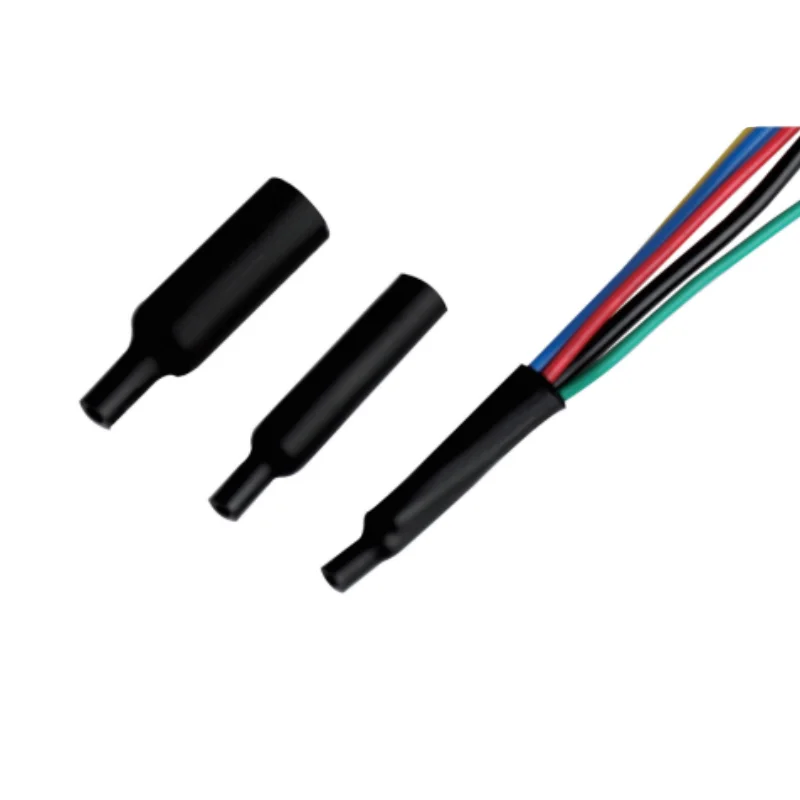
What Is Heat Shrink Tubing? Your Go-To Guide for Electrical Protection & Organization
In the world of electrical engineering and wiring management, there are few products as versatile and essential as heat shrink tube—also commonly called heat shrink or heatshrink.
It’s more than just a flexible sleeve. This thermoplastic product is a purpose-built solution designed to insulate, protect, and seal key electrical components. And it’s not just about making wiring look neat; it’s about ensuring reliable performance and, most importantly, keeping things safe.
The Science Behind Heat Shrink Tubing: How Does It Work?
The “magic” of heat shrink tube comes down to two key processes: cross-linking and thermal memory. Here’s a simple breakdown of how it goes from manufacturing to your project:
- Manufacturing (Cross-Linking): First, plastic polymers (like polyolefin) are shaped into the tube’s original, smaller “recovered” size. Then, the material is treated to chemically link its molecules—a step that gives it a “memory” of this original size.
- Expansion (Stretching): Next, the tube is heated and stretched to a larger diameter. It’s cooled while held in this expanded shape, so it stays bigger for easy application.
- Application (Shrinking): When you (the end user) apply heat—usually with a heat gun—above the material’s melting point, the molecules snap back to their original, smaller size.
The result? A tight, form-fitting protective layer that wraps perfectly around wires, joints, or components.
5 Core Jobs of Heat Shrink Tube (And Why Specs Matter)
While insulation is its main role, heat shrink tube pulls double (and triple!) duty for electrical projects. To get the right protection and safety, you need to pick the right specs for your needs. Here’s what you need to know:
| Function | What It Does | Key Spec to Look For |
|---|---|---|
| Electrical Insulation | Covers exposed wires and stops short circuits at connections. | Dielectric Strength (measured in V/mil—higher = better insulation). |
| Fire Prevention | Prevents fire from spreading along cables. The tube self-extinguishes once the flame source is removed. | Flammability Rating (e.g., VW-1, a standard from UL 224). |
| Environmental Protection | Shields components from moisture, dust, and corrosive chemicals—perfect for outdoor or marine projects. | Adhesive-lined (dual-wall) options (these create a waterproof seal). |
| Mechanical Protection | Guards against scratches, stops wires from fraying, and eases strain at connection points. | Wall Thickness (thin, medium, or heavy—thicker = more durability). |
| Identification | Uses colors (red, blue, yellow) or clear tubing to label wires, making troubleshooting faster. | Color & Transparency (choose based on your coding system). |
Why Flame Retardancy Matters (WILLELE’s Specialty)
At WILLELE, safety is our top priority—and flame retardant heat shrink tube is non-negotiable for power, transport, or industrial gear. Here’s what you need to know about fire safety:
- VW-1 Rating: This is the key standard (part of UL 224) for fire safety. A VW-1 rating means the tube self-extinguishes and won’t drip flaming material—critical for stopping fires from spreading along wiring harnesses.
- Low Smoke Zero Halogen (LSZH): For enclosed spaces like tunnels, aircraft, or data centers, LSZH tubing is a must. It’s made without halogens, so if it’s exposed to fire, it releases far less dense, toxic, or corrosive smoke.
Heat Shrink Tube in Action: Where It’s Used & Why It’s Better
Heat shrink tube isn’t just for basic wiring—it shines in tough, demanding industries. Let’s break down where it’s essential, why it beats alternatives, and how to pick the right one.
Where You Need Heat Shrink Tube
It’s the go-to choice for protection and organization across these sectors:
| Application Focus | Key Industries | Why Heat Shrink Is the Best Pick |
|---|---|---|
| Circuit Integrity | General electrical work, industrial machinery | Stops short circuits and insulates connectors/splices flawlessly. |
| Environmental Defense | Automotive, marine, outdoor telecom | Adhesive-lined options create waterproof seals against moisture, dust, and chemicals. |
| Cable Management | Data centers, control panels, robotics | Bundles wires neatly, reducing clutter and making routing easier. |
| Physical Durability | Aerospace, heavy machinery | Shields cables from scratches, impacts, and vibration; eases strain at wire exits. |
| Maintenance & Repair | Field service, cable installation | Fixes damaged wire jackets without messy sealants. |
| Logistics & Coding | Manufacturing assembly lines | Uses custom colors or printing (logos, serial numbers) for easy wire tracking. |
| High-Performance | Aerospace, military, oil & gas | Handles extreme temperatures (hot and cold) and harsh chemicals. |
Why Heat Shrink Beats Alternatives (Tape, Sealants, Etc.)
Compared to electrical tape or liquid sealants, heat shrink tube offers clear advantages:
- All-in-One Protection: It combines insulation, mechanical strength, and chemical resistance in one durable layer—no need for multiple products.
- Tailored Resistance: Choose materials (like polyolefin or fluoropolymers) to stand up to oil, solvents, extreme heat, or fire.
- Cost-Effective: It’s cheap upfront, but it extends the life of expensive wiring and equipment—cutting down on downtime and repairs.
- Easy to Install: A little heat creates a clean, consistent seal every time. No special training needed.
- Custom Branding/Tracking: Print logos or serial numbers on it to boost brand visibility and keep track of components.
How to Choose the Right Heat Shrink Tube
Picking the right tube means matching its specs to your project’s needs. Focus on these 5 factors:
- Shrink Ratio: This tells you how much the tube shrinks. Use 2:1 for straight wires; 3:1 or 4:1 for irregular shapes (like splices).
- Material Type: Polyolefin works for most projects; LSZH is for enclosed spaces; Viton/PTFE handles extreme conditions.
- Operating Environment: If there’s moisture, pick adhesive-lined (dual-wall) tubing. If fire is a risk, go for VW-1 rated.
- Wall Thickness: Thin walls are flexible (great for harnesses); thick walls offer heavy-duty protection (ideal for burial or rough use).
- Size: The expanded diameter must be bigger than your largest component; the shrunk diameter must be smaller than your smallest part. Measure the widest and narrowest points first!
Step-by-Step Guide to Installing Heat Shrink Tube
Installing heat shrink tube is fast and simple—here’s how to do it right:
- Measure & Cut: Cut the tube slightly longer than the area you want to cover (this accounts for small lengthwise shrinkage).
- Slide: Put the tube over the wire or component before making the final splice or connection.
- Position: Center the tube over the joint, splice, or repair area.
- Apply Heat: Use a heat gun (a lighter works, but a heat gun gives more even shrinkage). Move the gun in a circle, starting from the center and working outwards.
- Shrink & Seal: Keep heating until the tube fits tightly. For adhesive-lined tubes, wait for a small bead of adhesive to seep out the ends—this means it’s waterproof.
- Cool & Inspect: Let it cool naturally, then check for gaps or bubbles. It should be smooth and tight!
Get Started with WILLELE Heat Shrink Tube
Choosing the right heat shrink tube is a big decision for your project’s safety and performance. You need to balance shrink ratio (2:1, 3:1, etc.) with wall type and material—always making sure it meets VW-1 safety standards and your project’s temperature needs.
At WILLELE, we design our heat shrink products to meet the toughest industry standards. Whether you’re working on a small electrical repair or a large industrial project, we’ve got the verified protection and durability you need.
